After visiting Japan several times, one of the most memorable cultural experiences I’ve had was renting and wearing a kimono. From the beautifully layered fabrics to the intricately tied obi belts, slipping into a kimono is a wonderful way to slow down, connect with Japanese tradition, and make your trip feel even more special.
If you’re researching how to rent a kimono in Japan, what it costs, what to expect, and where to go, this guide walks you through everything step by step. Whether you’re travelling solo, with friends, or with family, renting a kimono is a fun and meaningful cultural activity to include in your trip. With plenty of rental shops across Tokyo, Kyoto, and other major cities, I’ll share the best places to rent a kimono, how the process works, commonly asked questions, and helpful tips to make your experience smooth and unforgettable.
Travelling to Japan for the first time? Here are 20 things I wish I knew before my trip — tips that’ll help you travel smarter and make the most of your Japan adventure!
Disclaimer: This post may contain affiliate links, which means I get a small commission if you make a purchase (at no extra cost to you). It’s one of the ways I can keep producing free resources and guides for my readers. Thank you for your support! Refer to the Disclosure Policy for more details.
Short on time?
My top recommendations for your Japan travel itinerary include:
💸 Use a Wise travel card to spend in multiple currencies with real exchange rates and low conversion fees
🗺️ Save time with my digital three-week Japan travel itinerary template.
💸 Save money: Tokyo Subway Pass gives you unlimited travel for 24, 48 or 72 hours at a discount in Tokyo.
🗺️ Tours: Klook (very popular in Japan), GetYourGuide, and Viator.
🛌 Accommodation: Find the best deals on stays in Japan with Booking.com.
📍 Recommended Activities:
💄 Explore Tokyo from above at Shibuya Sky
🎏 Try an adventure-fuelled day trip at Universal Studios
🌷 Step into another world at the TeamLab Planets – an immersive exhibition!
🛤️ Getting Around Japan: Order a Suica card to use public transport (buses, trains) and pay at convenience stores in Japan.
🚄 Travelling across Japan: The Japan Rail Pass provides unlimited rides on JR train lines and most Shinkansen (bullet trains).
🏥 Travel Insurance: World Nomads
📶 Staying Connected: Get instant access to data with Airalo eSIM.
Background Information about Kimonos
What is a Kimono?
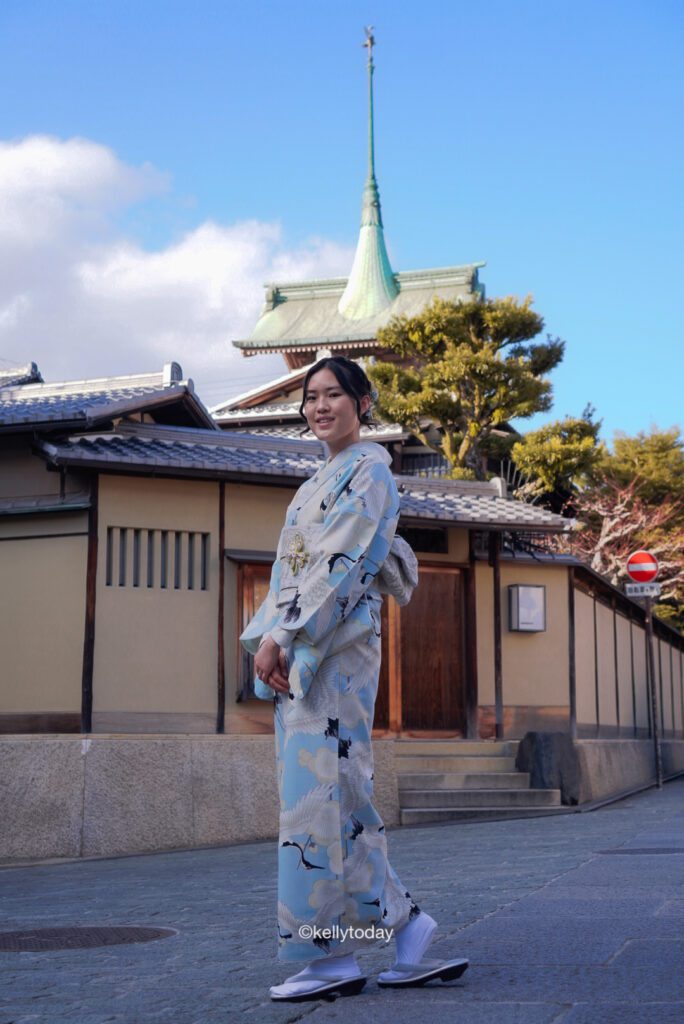
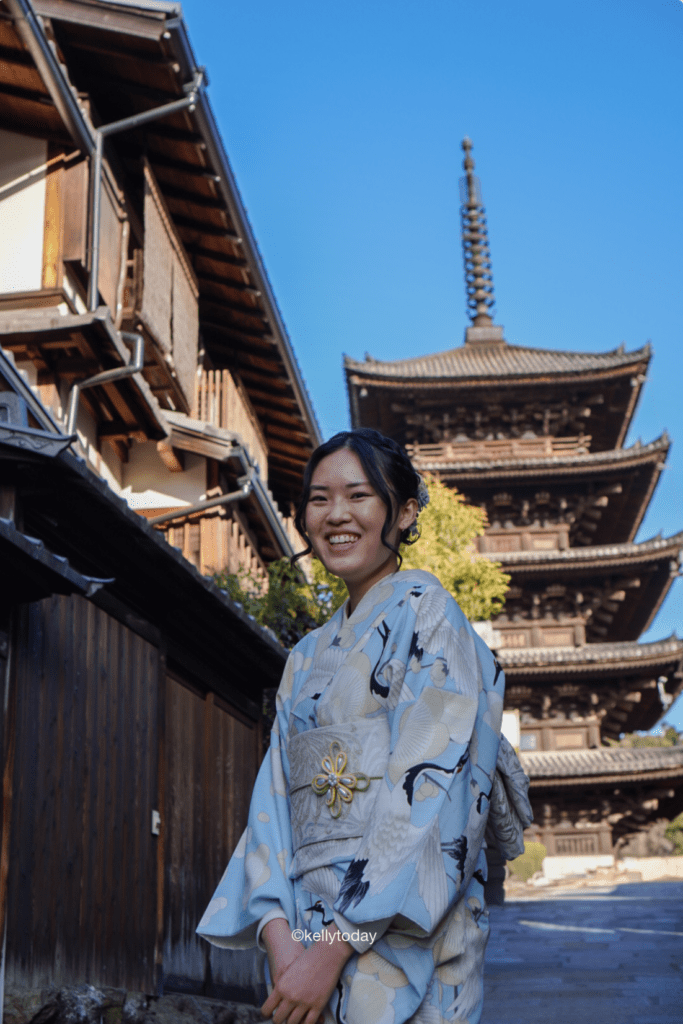
The word kimono literally means “a thing to wear,” combining ki (着), meaning “to wear,” and mono (物), meaning “thing” or “object.” Traditionally, the kimono was everyday attire in Japan—a graceful, full-length robe worn by people of all ages. Today, it’s primarily reserved for special occasions such as festivals, tea ceremonies, weddings, graduations, and other important cultural events. Despite its shift from daily wear to ceremonial dress, the kimono remains one of Japan’s most iconic and meaningful garments.
Types of Kimonos
Many travellers are surprised to learn that there are several types of kimonos, each with its own purpose and level of formality. Some of the most well-known include:
- Tomesode – The most formal kimono worn by married women, often seen at weddings.
- Furisode – A colourful, highly formal kimono with long flowing sleeves, typically worn by unmarried women.
- Yukata – A lightweight, casual cotton kimono commonly worn in summer, at festivals, or in onsen towns.
While styles vary, most kimonos follow the same classic structure: a straight, T-shaped robe that falls to the ankles with an attached collar and long sleeves. When wearing a kimono, it’s essential to wrap the left side over the right—right over left is used only when dressing the dead for burial. The kimono is secured with an obi (a wide sash tied at the back) and completed with tabi split-toe socks and traditional footwear such as geta or zōri.
Things to Know Before You Rent a Kimono in Japan
Before you choose a shop or reserve your time slot, here are essential things to understand so your experience goes smoothly:
1. Book your Kimono Rental in Advance
While it is possible to walk into certain kimono rental shops, booking ahead is always the better option. Many popular rental studios—especially those near Asakusa, Gion, or Arashiyama—limit the number of customers they accept per day. Walk-ins may face long waits, limited options, or may not be accommodated at all.
Booking in advance helps you:
- Secure your preferred time slot
- Lock in better prices (walk-in rates are often higher)
- Avoid language barriers at shops that don’t offer English support
- Guarantee availability during peak seasons such as cherry blossom season, Golden Week, or autumn foliage
Tip: Go for an early morning booking. You’ll have first pick of the kimono designs before they’re selected by other customers and more time to wander, take photos, and enjoy your day without rushing to return the outfit.
Save time planning your Japan Trip!
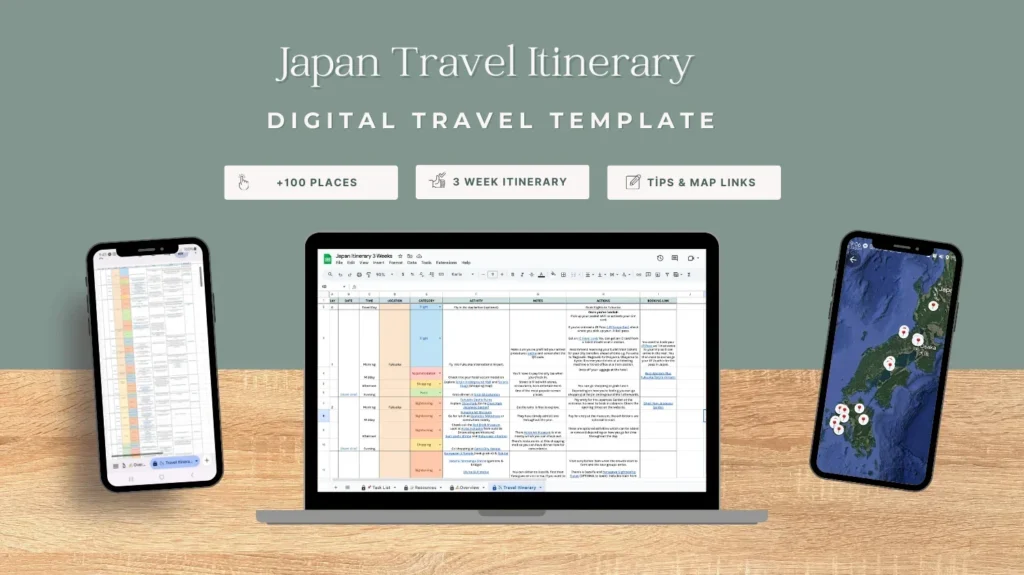
Make the most of your trip and cut hours of planning with my 3-Week Japan Travel Itinerary + Map Guide. Everything’s organised for you—must-see spots, hidden gems, and smooth routes—so you can just download, follow along, and enjoy Japan stress-free.
2. Check the Weather Before Making a Reservation
Weather plays a huge role in your rental experience. Kimonos can get warm, layered, and heavy—so the season matters.
- Summer: Japan can be extremely hot and humid. If temperatures are high, consider renting a yukata, which is lighter and designed for summer comfort.
- Rainy or overcast days: Long hems and delicate fabric can make rainy days inconvenient for walking outdoors.
- Winter: Cold winds can make wearing a kimono outdoors uncomfortable without proper layering.
A quick weather check during your itinerary planning helps you pick the best day so you can enjoy the experience comfortably.
Wear the Right Clothing Underneath
Dressing in a kimono is a surprisingly detailed process that usually takes around 20–30 minutes, involving multiple layers, straps, padding, and careful adjustments to create the perfect silhouette. Because the fit can feel snug, what you wear underneath matters.
What to wear in winter:
- Thermal layers like UNIQLO HeatTech tops and leggings
- Warm, body-hugging pieces that won’t show under the kimono
What to wear in summer:
- Light, breathable layers
- Avoid shirts with collars or high necklines—they’ll show and ruin the neckline shape
Another tip: Use the restroom before your fitting. Going to the bathroom in a kimono is doable but definitely awkward, so it’s better to avoid it when possible.
Consider Additional Services
Many kimono rental studios offer optional add-ons to complete your look. These can include:
- Hairstyling
- Light makeup
- Seasonal hair accessories
- Professional photo shoots
- Bag and footwear upgrades
If you want the full experience—especially in Kyoto’s traditional districts or during festivals—packages that include hair styling are well worth it. When I rented in Kyoto, my package included hairstyling and matching hair accessories, which made the entire outfit feel much more complete.
Check your Kimono Rental Packages
Rental packages vary between shops, so always check what’s covered:
- Kimono or yukata
- Obi belt
- Innerwear
- Bag or pouch
- Tabi socks
- Geta or zōri sandals
- Basic accessories
- Return time (usually before closing)
Some shops also offer next-day returns for an additional fee, which can be useful if you want to enjoy an evening stroll or dinner while still dressed in a kimono.
Where should I rent a kimono in Japan?
Depending on your budget and how much time you have, there are plenty of places to rent a kimono across Japan. Some of the most popular (and photogenic) spots include Asakusa, Gion, Arashiyama, Kawagoe, and Kamakura. While you can rent a kimono almost anywhere, I found that the historic city of Kyoto is the quintessential place to experience this tradition—its temples, shrines, and old streets create the perfect atmosphere.
If you’re short on time, consider renting a kimono in Asakusa instead. With its iconic Senso-ji Temple, vibrant shopping streets, and preserved Edo-era architecture, it offers a beautiful backdrop for photos without needing to travel far.
As a general rule, try choosing a rental shop located close to the attractions you plan to visit. This saves you travel time and lets you enjoy more of your day dressed in kimono. Below are a few personal recommendations on where to rent a kimono in Japan.
Bonus tip: You can earn cashback when booking through Klook if you use Shopback. Get $20 sign-up bonus using my referral.
Kimono Rentals in Tokyo
YAE
Hours: Available sessions from 9:30 to 3:30 pm.
Address: Located near this train station.
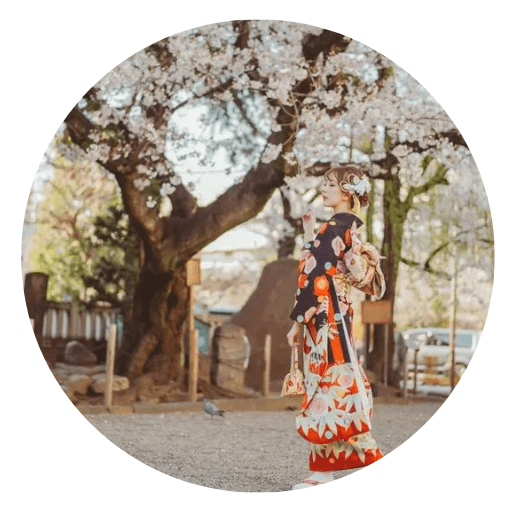
Yae Kimono Rental is located in Asakusa in Tokyo and provides a variety of luxurious and sophisticated-looking kimono designs. The staff can speak English and Chinese and they’re very friendly and helpful with your kimono rental experience. They also offer group packages for families, girlfriends, and couples which can be cheaper than renting individually. For those interested in getting their photos they also offer a photo shoot experience.
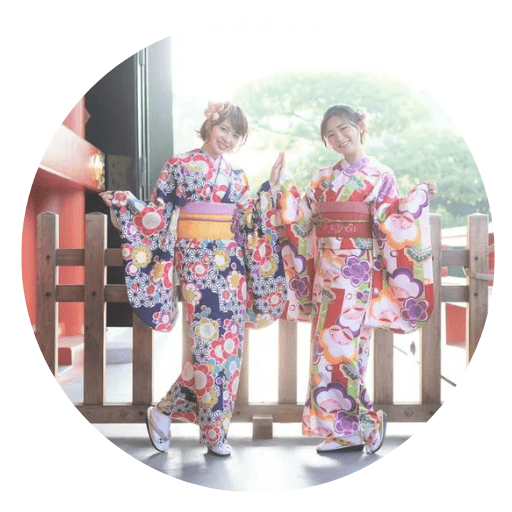
Aiwafuku
Hours: 9:30 am to 18:00 pm
Address: 2-3F NW Building, 1-11-4 Hanakawado, Taito-Ku, Tokyo
This kimono rental is located in Asakusa, Tokyo, and offers a variety of kimono design styles and packages for couples and individuals. What’s unique about this rental store is that they offer a lace kimono, Taisho Roman, and casual furisode options.
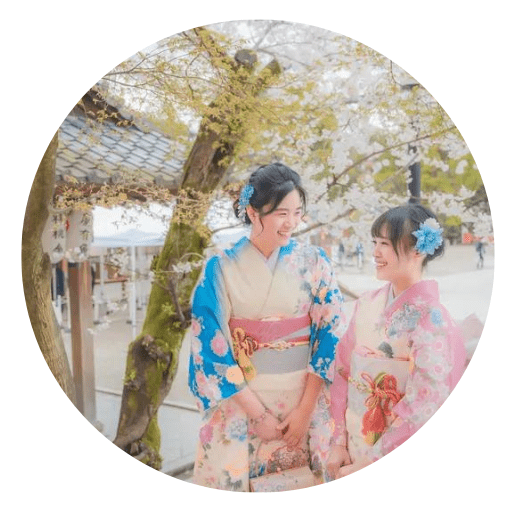
Kimono Miyabi
Hours: 9:00 am to 18:00pm
Address: 〒111-0032 Tokyo, Taito City, Asakusa, 3 Chome−30−2
Locations: Tokyo and Kyoto
If you want an earlier booking than 9:30 am this is a great option to try. The earlier you get your kimono rental done the more time you’ll get to explore and also beat the crowds in around attractions. Kimono Miyabi offers packages for couples, families, groups of 2, and individual rentals. There are also a variety of kimono rental designs and the packages include hair accessories for females.

VASARA
Hours: 9:00 am to 18:00 pm
Address: 2-29-21 Asakusa, Taito-ku, Tokyo
Locations: Tokyo and Kyoto
Vasara offers kimono and yukatas for rental in Asakusa from 9 am the morning. They have a variety of rental packages depending on your budget which can include basic hair styling and accessories. If you book online you’ll also get insurance to protect you from accidents including tearing, ripping, or stains on the kimono.
Kimono Rentals in Kyoto
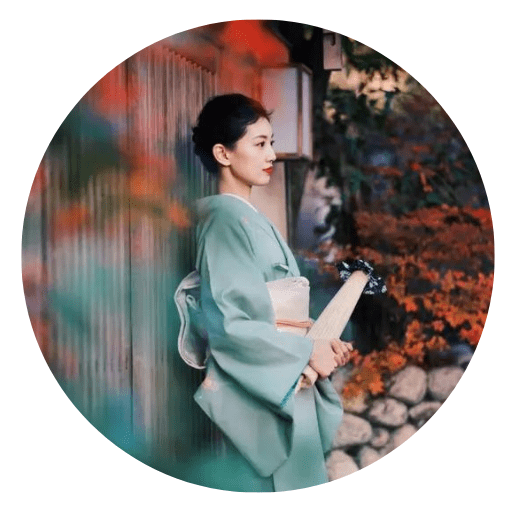
Ouka Kimono Rental
Hours: 10 am to 17:00 pm
Address: 4 Chome-432-13 Gojobashihigashi, Higashiyama Ward, Kyoto, 605-0846, Japan
Choose from over 500 kimono designs at Ouka Kimono in Kyoto. You can select from a variety of kimono styles including lace kimonos, or Taisho roman/retro kimonos. If you’re looking to get professional photos you can also book a photoshoot as part of your rental package.
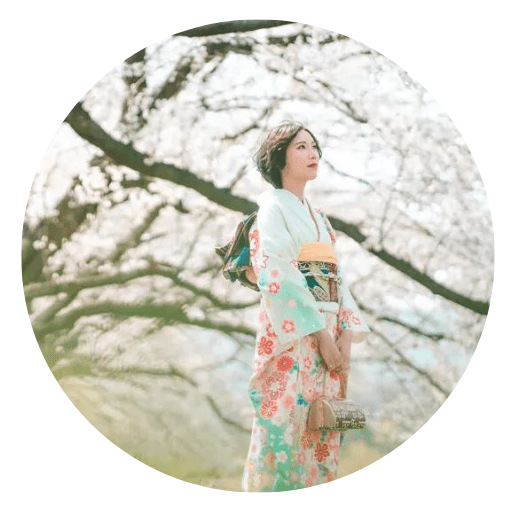
Aiwafuku Kyoto
Hours: 9:00 am to 18:00 pm
Address: 〒605-0079 151 Tokiwacho, Higashiyama-
ku, Kyoto City Hachigen Building 3F (Old building name: Valie Gion Building)
Choose from over 200 kimono designs at Aiwafuku Kimono Rental. This rental place is located in Kyoto and they offer packages for couples or an individual person and include basic hairstyling and accessories to choose from.
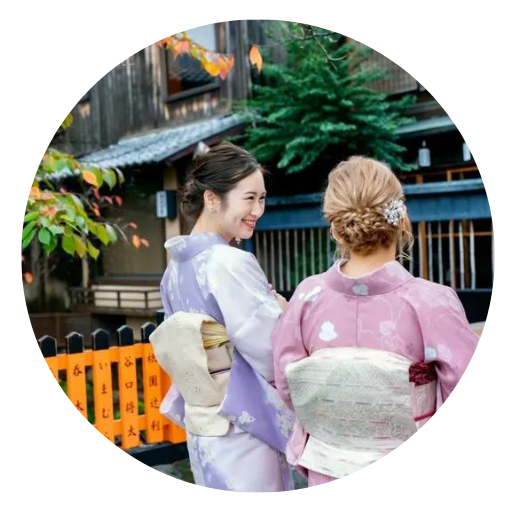
Wakana Kimono
Hours: 9:00 am to 18:00
Address: Moonbeauty Gion Building 4F, 300 Gionmachi Kitagawa, Higashiyama Ward, Kyoto, 605-0073
Choose from Wakana Kimono’s collection of high-quality and locally-made kimonos. With packages available for children, couples, and individuals you’ll be treated to gorgeous kimono designs to explore the charming streets of Kyoto. If you’re worried about the language barrier rest easy knowing that the staff can speak English and Mandarin.

Okimono
Hours: From 9:30 am
Address: 569-9 Shiraitocho, Higashiyama Ward, Kyoto, 605-0865, Japan
This rental place is located near Kiyomizu Temple in Kyoto. Their rental packages are catered for couples, children, or individuals with hundreds of kimono designs to choose from. If you’re worried about the language barrier you’ll be happy to hear that the staff can speak Korean, Japanese, English, Cantonese, and Chinese.
👀 Looking for more cultural activities to try in Japan?
Frequently Asked Questions About Renting a Kimono in Japan
How long can I rent a kimono for?
This depends on the rental shop. Most places require you to return the kimono by 6:00–6:30 pm, and returning it late may result in additional fees. Some shops, however, offer overnight or next-day return options for an extra charge. For example, Yae Kimono Rental provides a “next-day return plan.”
What does a kimono rental experience include?
Select a Kimono
Once you arrive, staff will guide you to choose your kimono, obi belt, and accessories such as a bag or seasonal add-ons. If you didn’t select a style when booking online, staff members can provide recommendations based on your preferences and budget.
After payment, you’ll receive a bag to store your belongings and a tag to identify it. Remember to take valuables with you before heading out.
Dressing Process
You’ll then be guided to a dressing area, where staff will help you put on the kimono layers, ties, and obi. This process can feel snug but is an essential part of the authentic silhouette.
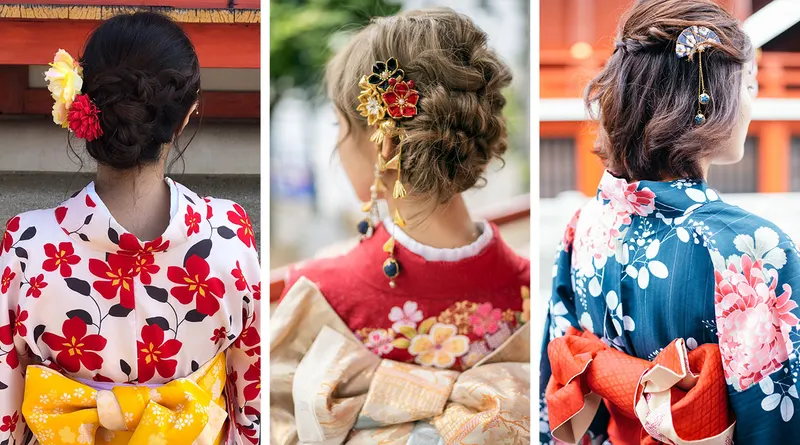
Hair Styling
Most kimono rental packages include basic hairstyling. Depending on the studio, you may choose from several preset hairstyles or show the stylist a reference photo. Afterwards, you’ll select hair accessories to complete your look.
Kimono Rental Return
Always set a reminder for your return time to avoid late fees. Make sure to take care of the garment while you’re out—irreparable stains or damage may incur additional charges.
How long does it take to dress up in the kimono?
On average, it takes around 25 minutes for men and 40–50 minutes for women, including hair styling. This time may vary depending on how busy the shop is and whether you arrive during a popular time slot or as a walk-in.
What activities do you recommend whilst wearing a Kimono?
Apart from exploring the local streets and checking out the local eateries. You might want to consider doing a photo shoot experience to capture some memories or book a rickshaw service. If you decide on a rickshaw tour you’ll get a local to show you around the area and learn more about the history. If you’re interested in getting professional photos done you can organise this in two ways.
- Book a separate photography session. I recommend checking out a local photographer to show you the local sites and make some memories to take home with you.
- Organise a photoshoot with your kimono rental in a package.
Are there kimono options for tall people?
Most kimono rental shops can accommodate heights up to 180 cm for women and 195 cm for men. Taller visitors can still find suitable options, though the selection may be more limited or slightly shorter in length.
Can I choose my accessories?
Yes! While staff will often suggest accessories that match your kimono, you’re free to choose the items you prefer. Most shops offer a variety of hairstyles, hair ornaments, and small accessories to customise your look.
Where can I store my personal belongings?
After you’re dressed, the shop will store your belongings in a designated area. You’ll receive a labelled bag and tag for identification. Just be sure to take any valuables or essentials with you before heading out.
Can males rent kimonos?
Absolutely. Men’s kimono rentals are available and generally involve a simpler dressing process. The only limitation may be fewer options if you are taller than average.
What other traditional Japanese clothing can I rent?
Yukata: A lightweight, breathable kimono perfect for Japan’s hot summer months (June–August).
Hakama: Traditionally worn by shrine maidens or during graduation ceremonies.
Furisode: A formal kimono with long, flowing sleeves, often worn for coming-of-age ceremonies or special events.
For a unique dress-up experience, specialty studios like Studio Nanairo offer transformations into geisha (traditional entertainers) or oiran (high-ranking courtesans), complete with professional hair, makeup, and photography.
Other Resources You Might Find Helpful
- 20 Helpful Things To Know Before Travelling to Japan
- Apps You Need to Download For Your Trip to Japan
- 20 Best Things to Buy in Japan That’s Worth Your Money
- 3 Week Japan Travel Itinerary for Visitors
- Ultimate Travel Notion Travel Template
- Day trips you can’t miss in Japan
Travel Planning Resources
Flights ✈️: WayAway, Skyscanner, and Kayak are the best sites to find cheap flights and great deals. Depending on your personal preferences, you should also check your preferred airlines’ websites for comparison to find the best deals from your home country.
Currency 💸: In Japan, the currency used is Japanese Yen (JPY) and I recommend withdrawing cash before you arrive in Japan. Cash becomes handy when using it at local stores, ticket machines, and older restaurants.
Power Adaptors 🔌: I always recommend buying a universal adaptor so you can use it in any country (great for future travels), and it offers extra ports for USB cables to charge your devices.
Accommodation 🛌: I book all my accommodation in Japan through Booking.com. They have a wide selection of accommodations worldwide, with flexible booking options and great deals. If you join their Genius Loyalty program, you can also get discounts on selected stays.
Attractions & Tours 🌟 Klook and GetYourGuide are my preferred platforms for local tours and activities in Europe. They make it easy to compare tours, book experiences and the best deals. You can also download their mobile app, where you can easily access your bookings on the go.
Easy Car Rental 🚗 Get hassle-free car rentals on DiscoverCars with a wide selection, competitive prices, and great customer service. Often it’s cheaper than booking direct, and you can compare a large range of suppliers to check if you’re getting the best price.
Stay Connected 📶 wherever you go by easily and affordably purchasing an eSim for all your travels. Thanks to Airalo, you’ll get instant access to data, and you don’t need to physically swap a plastic SIM card every time you’re travelling to a new country.
Travel Insurance 🛡️ I use World Nomads for overseas travel insurance. Travel with peace of mind knowing you’ll be covered for unexpected events and plan a worry-free journey.
Camera Gear 📸: If you’re curious about the camera gear I’ve used for my photos, find out what’s in my camera bag here.
Found this helpful? 👇🏼
Support my work by buying me a coffee so I can produce more free content for you.
📌 Click on the pin to save this for later.



I was really sorry that I did not rent a kimono when we visited Japan. I could have used this post to help me rent one. Good tip to make sure to book in advance for an early time slot to be sure you will get what you want. Kyoto would be a great spot with so many iconic sights for posing for pics. Keeping this for a future trip.
Hi Linda! Sorry to hear that you didn’t get to rent a kimono for your trip! I hope you can visit Japan again and try this fun cultural activity.
This is one of the coolest articles I’ve read in awhile! I had no idea you could rent kimonos in Japan, and now I 100% want to do this when we visit. Pinning this for later!
Hi Chelsea! Glad you found the article on kimono rentals interesting! You’ll definitely have to try this activity for a future trip!
I had no idea you could rent a kimono in Japan! This is such a useful piece of information for travelers. Thanks for sharing!
Hopefully you can try this cultural activity in Japan one day!
Dear Kelly,
I wanted to express my appreciation for your informative blog post about kimono rental, particularly your mention of Ouka Kimono. Your insights have been incredibly helpful.
Could you advise on the best time to book a photographer? Is reserving one for an hour after the rental booking time suitable for a group of four? I’m facing difficulties with Ouka Kimono’s contact form, preventing me from reaching out directly.
Warm regards,
Rachel
Hi Rachel, I really appreciate you finding my post helpful. Generally I would say in the morning or around sunset would be great times to book a photographer. However it ultimately really depends on the times available with the photographer. You’d would personally have to organise this yourself. In terms of one photographer being suitable for a group of four you’d have to ask yourself if this is enough time to get all the photos you want as a group or for yourself only you can decide this. Also please note that I am not personally responsible nor do I get paid to organise photography services in Japan. I’m only recommending services that you’d could use. Any contact issues you’re having with the photographer is between yourself and the person of interest. I’d recommend looking into other photographers if there is an issue with reaching out to a certain photographer. I hope this helps.
All the best,
Kelly
This was such a helpful post! I’d love to wear a Kimono while visiting and you’ve provided pertinent information.
Lovely to hear you found the information helpful! I hope you can visit Japan one day!
I honestly had no idea renting was possible, this makes it even easier and I can get to try out many different outfits, very helpful article. Can’t wait to visit Japan.