Kyoto is easily one of the most written-about cities in Japan, but open ten blog posts about it and you’ll get the same five stops recycled ten times: Fushimi Inari at sunrise, Kinkaku-ji, the Arashiyama bamboo grove, Gion for a geisha sighting, and Kiyomizu-dera. Don’t get me wrong, they’re popular for a reason. But if you’ve already seen those photos a thousand times on Instagram (or you’re a second-time visitor who’s ticked them off already), this 2 day Kyoto itinerary is organised differently.
Instead of racing between the same overrun landmarks, I’ve mapped out two full days that lean into Kyoto’s quieter temples, a canal-side walking trail most tourists skip, and a half-day mountain hike that feels a world away from the city centre — even though it’s less than an hour from Kyoto Station. You’ll still get that classic Kyoto feeling of stepping back in time, just without elbowing your way through a tour group to do it.
Here’s a sneak peek of what’s included in my three-week day-by-day itinerary for Japan!
Disclaimer: This post may contain affiliate links, which means I get a small commission if you make a purchase (at no extra cost to you). It’s one of the ways I can keep producing free resources and guides for my readers. Thank you for your support! Refer to the Disclosure Policy for more details.
Short on time?
Here are my top recommendations for your next Japan trip:
💸 Save money: Use a Wise travel card to spend in multiple currencies with real exchange rates and low conversion fees
💸 Kansai Thru Pass for unlimited buses and trains around Kyoto without hassle.
🗺️ Save time with my digital three-week Japan travel itinerary template.
🙇🏻♀️ Stay organised: Plan every part of your trip, from itinerary to packing list, with my Ultimate Notion Travel Planner Template. It’s the exact system I use to streamline my travel prep, and it’s perfect for visual planners who want everything in one place.
🛤️ Getting Around Japan: Order a Suica card to use public transport (buses, trains) and pay at convenience stores in Japan.
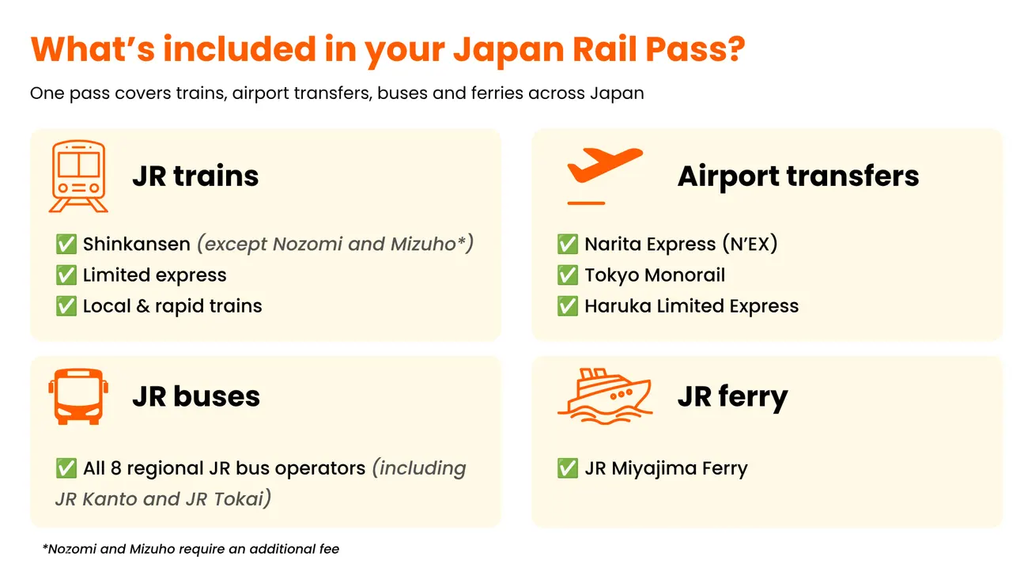
🚄 Travelling across Japan: The Japan Rail Pass provides unlimited rides on JR train lines and most Shinkansen (bullet trains).
🗺️ Tours: Pre-book tours, skip-the-line passes and cultural experiences using Klook, GetYourGuide, and Viator.
🛌 Accommodation: Find the best deals and filter by reviews on Booking.com.
🏥 Travel Insurance: Never leave home without it. World Nomads offers reliable coverage for medical emergencies, cancellations, and lost items.
📶 Staying Connected: Get instant access to data with Airalo eSIM.
Overview of Tips for Visiting Kyoto in Japan
Is 2 days enough for Kyoto?
Honestly? No — you could spend two weeks in Kyoto and still not see everything. But if 2 days is what you’ve got, it’s enough to properly slow down and get to know two very different sides of the city, rather than sprinting between eight temples and remembering none of them.
This itinerary is designed for exactly that. Rather than cramming in every “must-see” on a checklist, I’ve grouped things by area and by vibe: Day 1 keeps you within Higashiyama but away from the worst of the crowds, and Day 2 takes you out of the city entirely for a half-day hike that most first-timers never even hear about. If you’ve already done the Golden Pavilion and the bamboo grove on a previous trip (or you’d rather skip them altogether), this is the Kyoto itinerary for you.
If this is your first time in Japan and you do want the classic hits, I’d still recommend reading through 20 Helpful Things to Know When Travelling to Japan first — a lot of the etiquette and transport tips apply here too.
Essential Kyoto Travel Tips
Here are a few things worth sorting out before you start exploring, so you’re not scrambling for cash or WiFi mid-itinerary.
Check for Discounts
Combined tickets and skip-the-line passes exist for a lot of Kyoto’s temples, but not all of them are sold online — some you’ll only find at the temple gate. For the bigger attractions and guided experiences in this itinerary (like the Kurama-Kibune hike), it’s worth checking Klook, Viator or GetYourGuide in advance for discounted transport passes to save some money for bookings.
Stay Connected
You’ll be relying on Google Maps a fair bit on Day 2, especially once you’re out in the mountains where signage in English can be patchy. Grab a pocket WiFi or an eSIM before you land so you’re not hunting for public WiFi on the trail.
Transport Card
Get yourself an ICOCA or Suica IC card as soon as you arrive. It works on Kyoto’s buses, subway and the Eizan and Keihan train lines you’ll need for Day 2’s mountain hike, plus you can use it to pay at convenience stores.
Transport Passes
Save money travelling in Kyoto with these passes.
- Kyoto City Bus & Subway 1-Day Pass: If you’re mostly sticking to central Kyoto (Day 1 of this itinerary), this pass gives unlimited rides on city buses and subways.
- Kansai Thru Pass: Covers private railways across the Kansai region, including the Eizan line you’ll need to reach Kurama for Day 2.
- Japan Rail Pass: Only worth it if you’re travelling to multiple cities outside Kansai. If you’re only doing Kyoto and Osaka, skip this one and grab the Kansai-specific pass instead.
2 Day Kyoto Itinerary
Day 1: The Quiet Side of Higashiyama
Most Higashiyama itineraries send you straight to Kiyomizu-dera and Gion, both of which get genuinely uncomfortable with crowds by mid-morning. This route stays in the same general area but swaps the tour-bus stops for temples and trails that are just as beautiful — and far easier to actually enjoy.
Most Higashiyama itineraries send you straight to Kiyomizu-dera and Gion, both of which get genuinely uncomfortable with crowds by mid-morning. This route stays in the same general area but swaps the tour-bus stops for temples and trails that are just as beautiful — and far easier to actually enjoy.
8 AM Start at Tofuku-ji
Opening hours: 9:00 to 16:00 (varies slightly by season)
Admission: Temple grounds are free. Tsutenkyo Bridge & Kaisando Hall around ¥600, Hojo Garden around ¥500
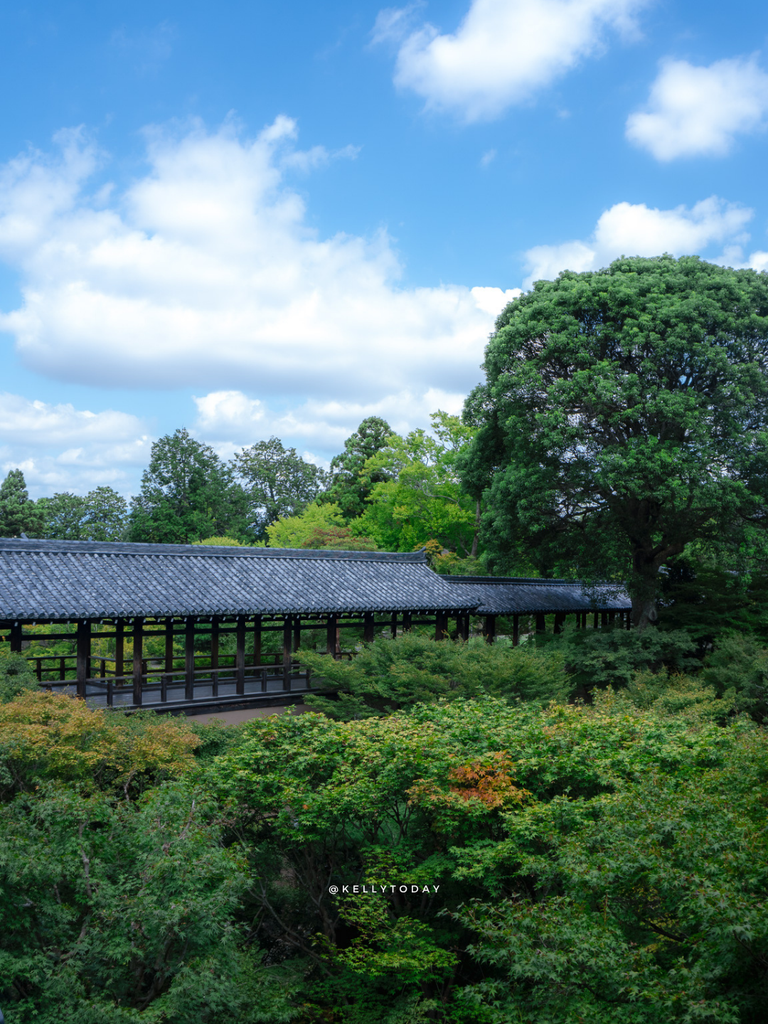
Skip the queue at Kiyomizu-dera and start your morning at Tofuku-ji instead. It’s one of Kyoto’s Five Great Zen Temples, and while it’s well known among locals for its autumn foliage, most first-time visitors have never heard of it — which means you’ll often have the famous Tsutenkyo Bridge almost to yourself, even mid-morning.
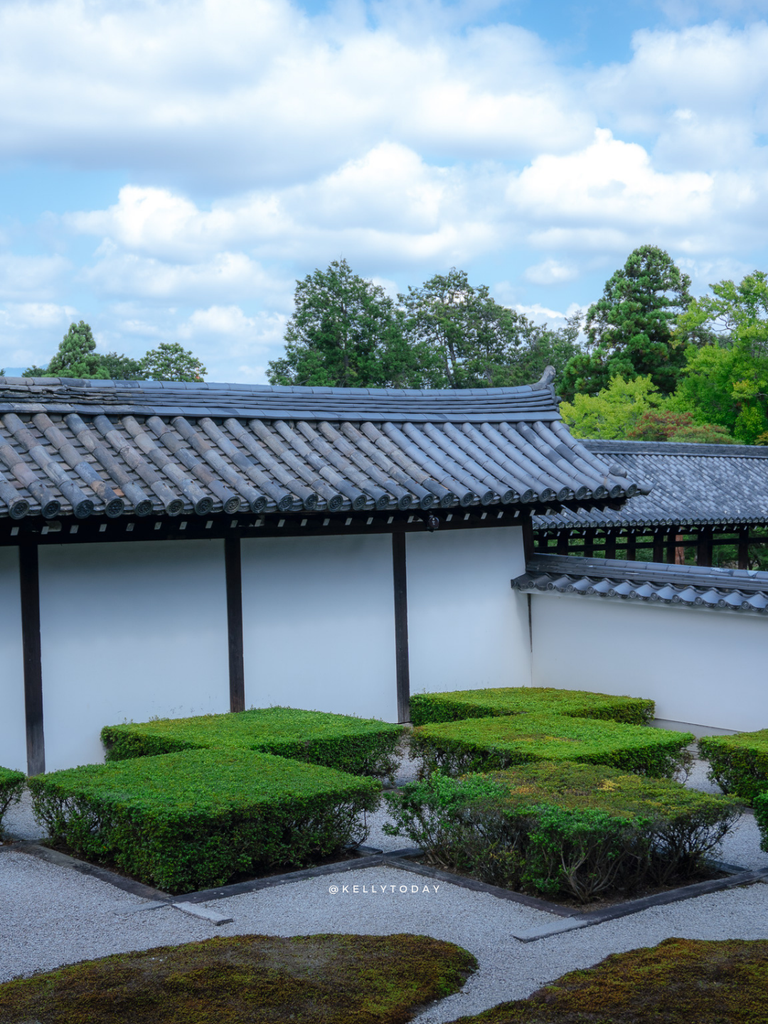
The bridge crosses a deep, forested ravine that turns fiery red in autumn but is genuinely gorgeous year-round, framed by the temple’s Zen rock gardens. Budget about an hour here, longer if you want to sit with the Hojo Garden’s raked gravel and moss for a while.
Getting there: JR Nara Line or Keihan Main Line to Tofukuji Station, then a 10-minute walk. About 15 minutes from Kyoto Station.
10 AM Walk the Canal Path to Nanzen-ji
From Tofuku-ji, make your way north towards Nanzen-ji — one of Kyoto’s most important Zen temples, but the real draw here is what most people walk straight past: the Suirokaku, a red-brick Meiji-era aqueduct that runs directly through the temple grounds. It looks completely out of place against the wooden temple architecture, which is exactly why it photographs so well and why it’s become a quiet favourite for locals rather than tour groups.
While you’re here, duck into Murin-an, a small Meiji-period stroll garden just a few minutes’ walk from Nanzen-ji’s main gate. It rarely makes it onto tourist itineraries, but it’s one of the most peaceful spots in the area — a pond, a borrowed-scenery view of the Higashiyama mountains, and almost no one else around.
Opening hours: Nanzen-ji grounds 8:40 to 17:00 (varies by season) | Murin-an 9:00 to 17:00, closed Mondays (Tue–Fri Dec–Feb)
Admission: Nanzen-ji grounds free (Hojo Garden ¥600) | Murin-an around ¥600
Ready to explore more?
💎 Kyoto Hidden Gems Tour: A local guide takes you to Kyoto’s hidden spots and historical shrines, away from the main tourist routes.
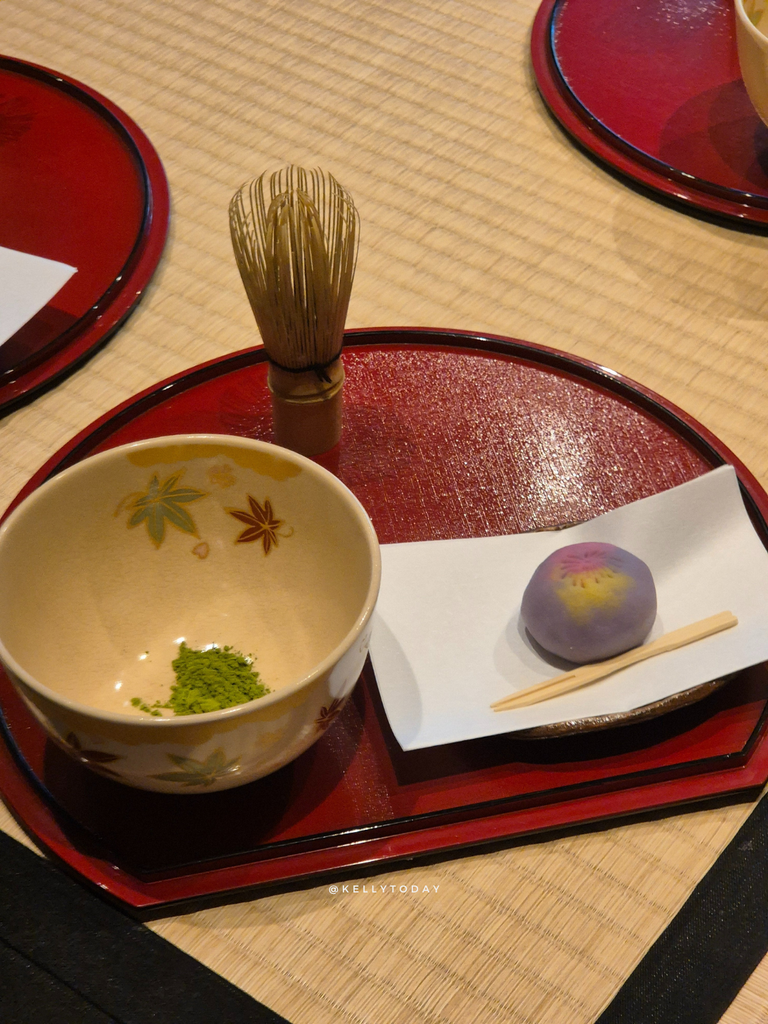
🍵 Kyoto Tea Ceremony Experience: Pair a temple visit with a private tea ceremony in a quiet tea house overlooking a private garden.
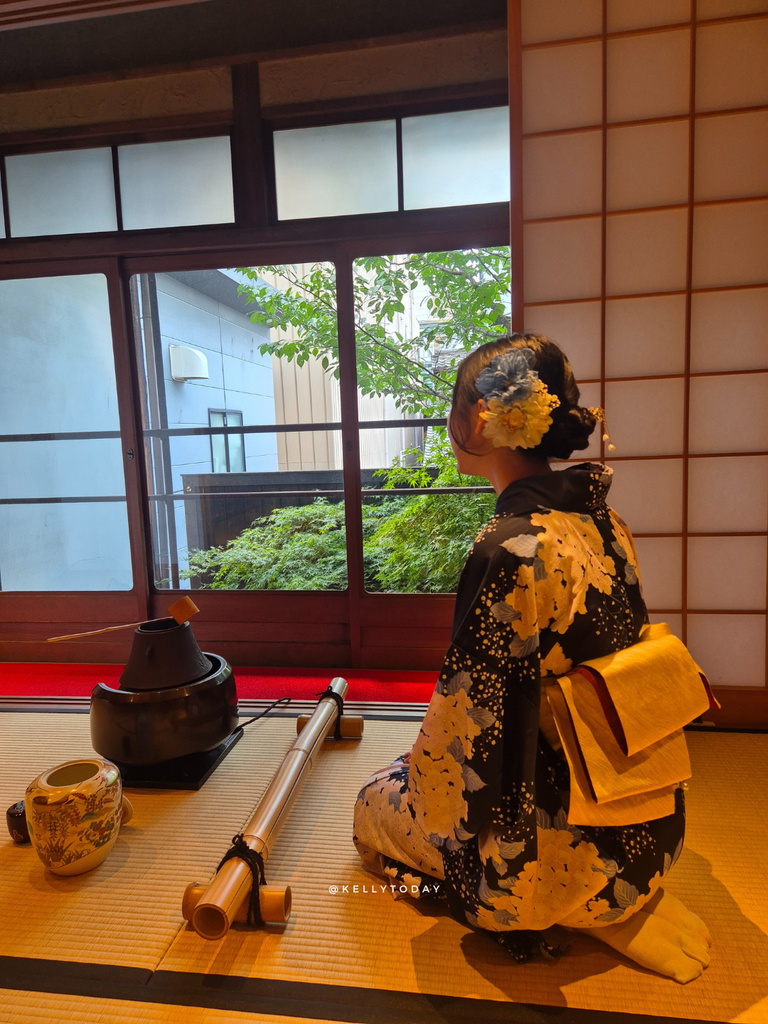
12 PM Lunch near Philosopher’s Path
Head towards the southern end of the Philosopher’s Path for lunch. This canal-side walking trail is genuinely lovely, but it does get busy during cherry blossom season — the trick is to treat it as a thoroughfare rather than the main event, and detour off it to the temples.
There are plenty of small cafés and soba restaurants lining the canal’s southern end near Nanzen-ji and Eikan-do — look for anywhere with a queue of locals rather than a laminated English menu out front, that’s usually your best bet.
- Omen: A well-known udon restaurant near the path’s northern end (close to Ginkaku-ji), famous for its handmade noodles served with a pile of fresh vegetables and sesame dipping sauce. Expect a short wait at peak times.
- Riverside Café Green Terrace: Right on the path itself, with outdoor seating overlooking the canal — a relaxed spot for a casual lunch or coffee break mid-walk.
- Saryo Kiriyama – Tucked right by Honen-in Temple, this quiet spot does a lunch-only Kyoto Gozen set built around smooth yudofu and seasonal Kyoto obanzai sides, plus a more traditional kaiseki course if you want to linger. It’s easy to combine with the Honen-in detour later in the afternoon since they’re a few doors apart.
1:30 pm Detour to Honen-in Temple
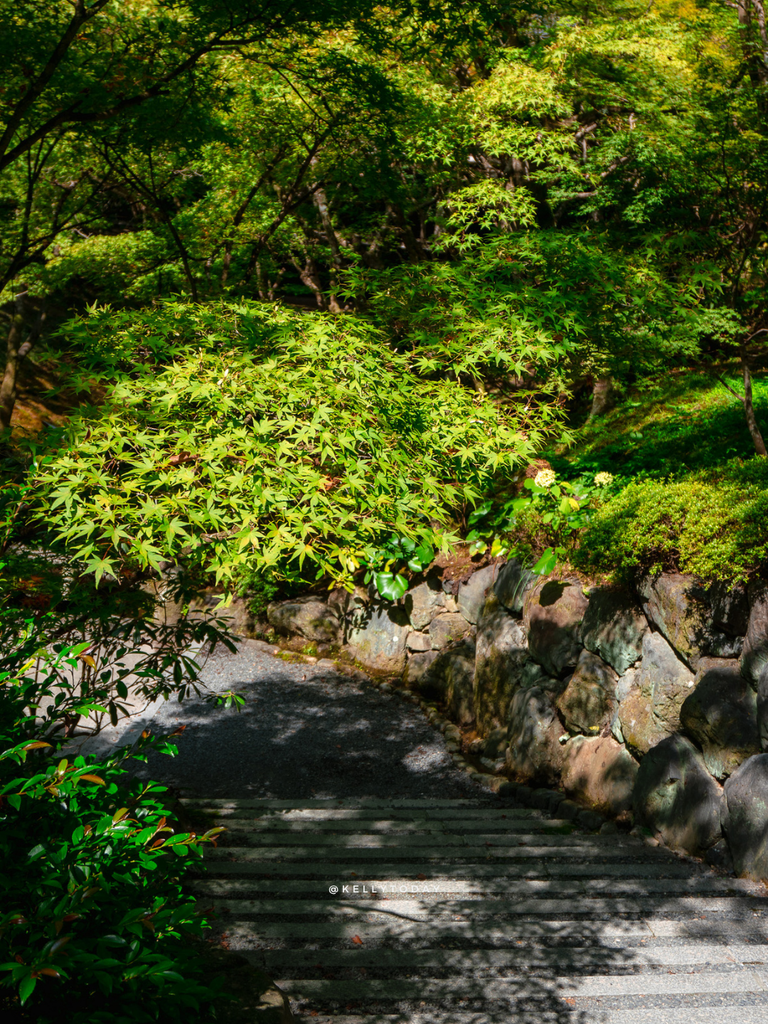
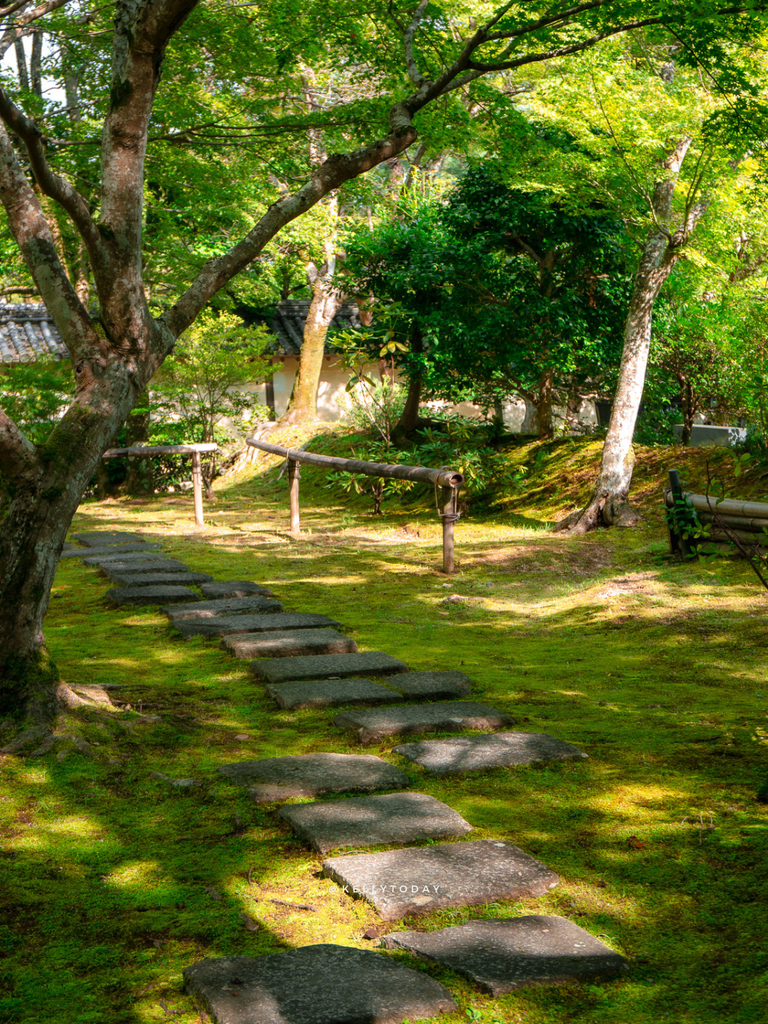
This is the stop most 2 day Kyoto itineraries skip entirely but it’s worth checking out. Honen-in sits just off the Philosopher’s Path down a quiet, moss-lined side street, hidden behind a thatched gate. Entry to the temple grounds is free, and unlike most of Kyoto’s famous temples, it’s not too crowded.
Inside, you’ll find two raked sand mounds (sakadan) at the entrance representing purity, along with a mossy garden and a small pond that changes character completely with the seasons. It’s a genuinely contemplative spot — the kind of place you go to slow down for ten minutes rather than tick off a list.
Opening hours: 6:00 to 16:00 daily (main hall only open for a few days each April and November)
Admission: Free
Address: 30 Goshonodancho, Sakyo Ward, Kyoto
2:30 PM Continue Along the Path to Eikan-do
A short walk further along brings you to Eikan-do (Zenrin-ji), a temple famous for its architecture built directly into the hillside, connected by covered wooden walkways that wind up through the forest. It’s busier than Honen-in but still far quieter than Kiyomizu-dera, and the views from the top of the hillside walkway across Kyoto’s rooftops are some of the best in the city.
Opening hours: 9:00 to 17:00 daily
Admission: Around ¥600 (higher during autumn illumination season)
Ready to see more of Higashiyama?
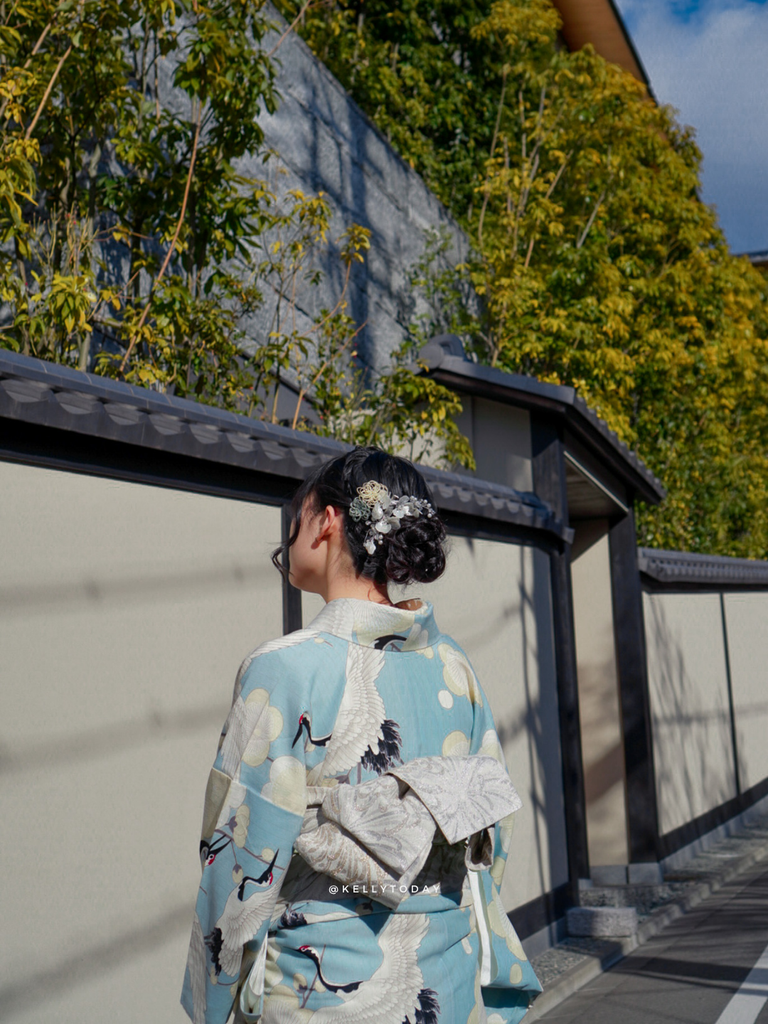
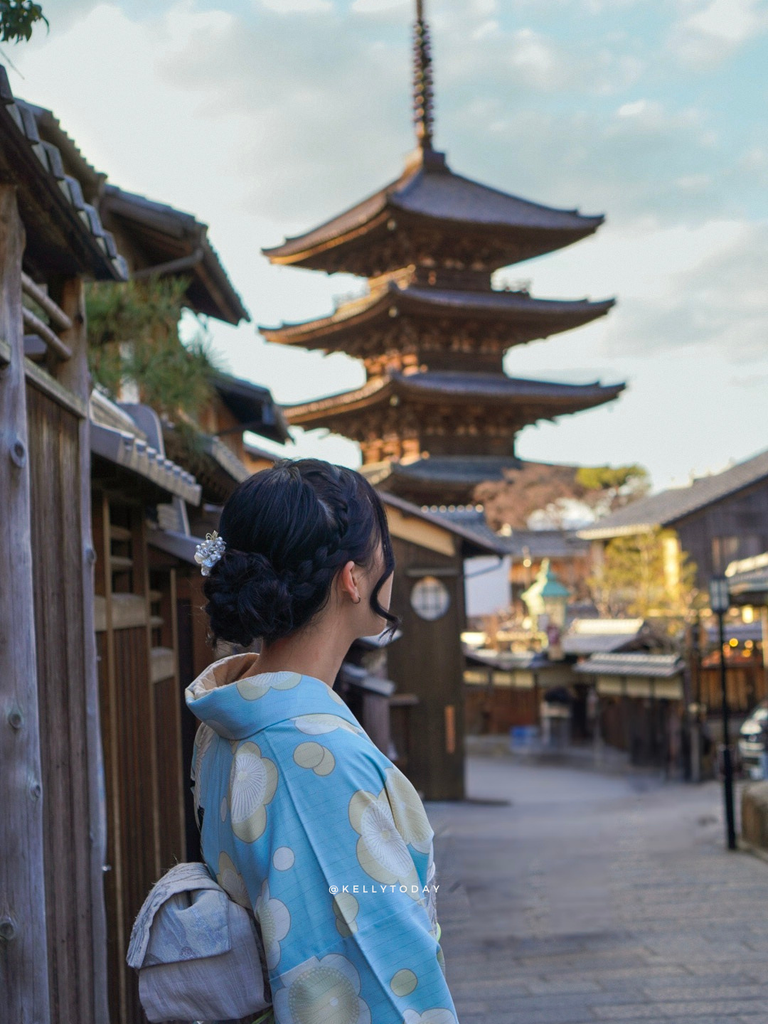
👘 Kimono rental and photography package: Dress up in a traditional kimono, explore Gion and Higashiyama, and have a professional photographer capture the experience.
✔️ Higashiyama Rickshaw tour: Ride through Kyoto’s historic streets in a traditional rickshaw while your guide shares the stories behind Higashiyama and Gion.
5 PM Evening in Pontocho
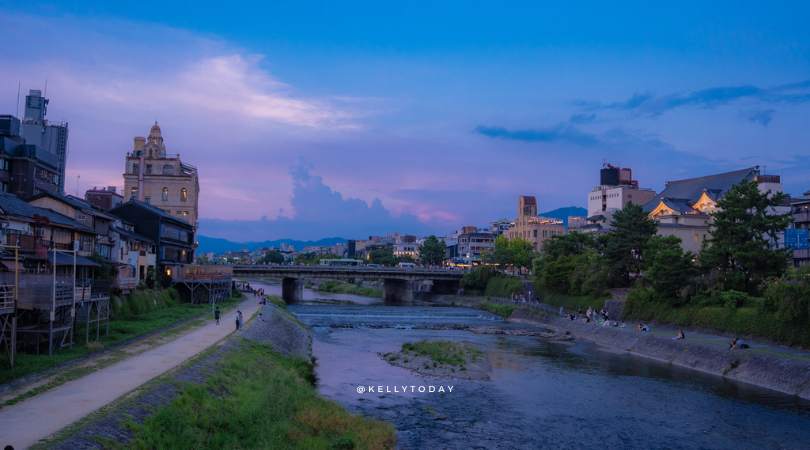
Everyone heads to Gion in the evening hoping to spot a geisha; however, if you want an alternative. Skip it and head to Pontocho Alley instead — a narrow, lantern-lit lane running parallel to the Kamogawa River, packed with restaurants ranging from casual yakitori counters to higher-end kaiseki spots.
In the warmer months (May to September), many restaurants set up kawadoko — elevated riverside dining platforms overlooking the Kamogawa. Booking ahead is worth it if you want a river-view seat, but even without one, it’s an atmospheric spot for dinner that feels far more local than Gion’s main strip ever does.
Finish the evening with a walk along the Kamogawa riverbank, where locals gather in the evening to chat, picnic and watch the sunset — a proper slice of everyday Kyoto life.
Day 2 (Option 1): Arashiyama
9 AM Arashiyama
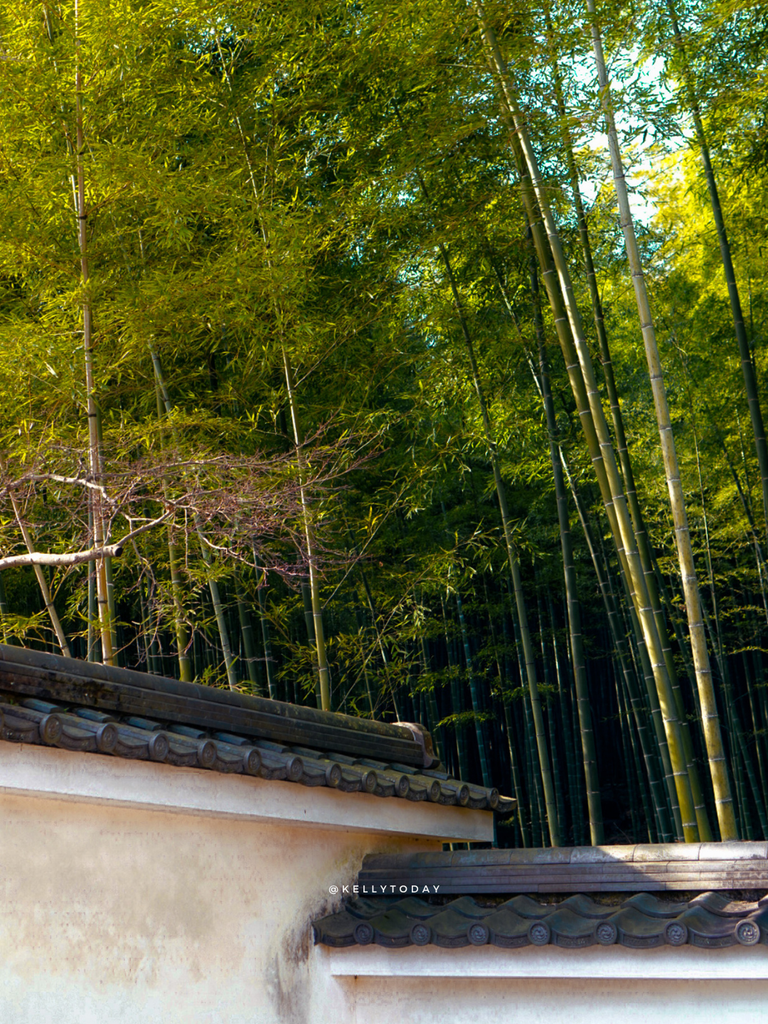
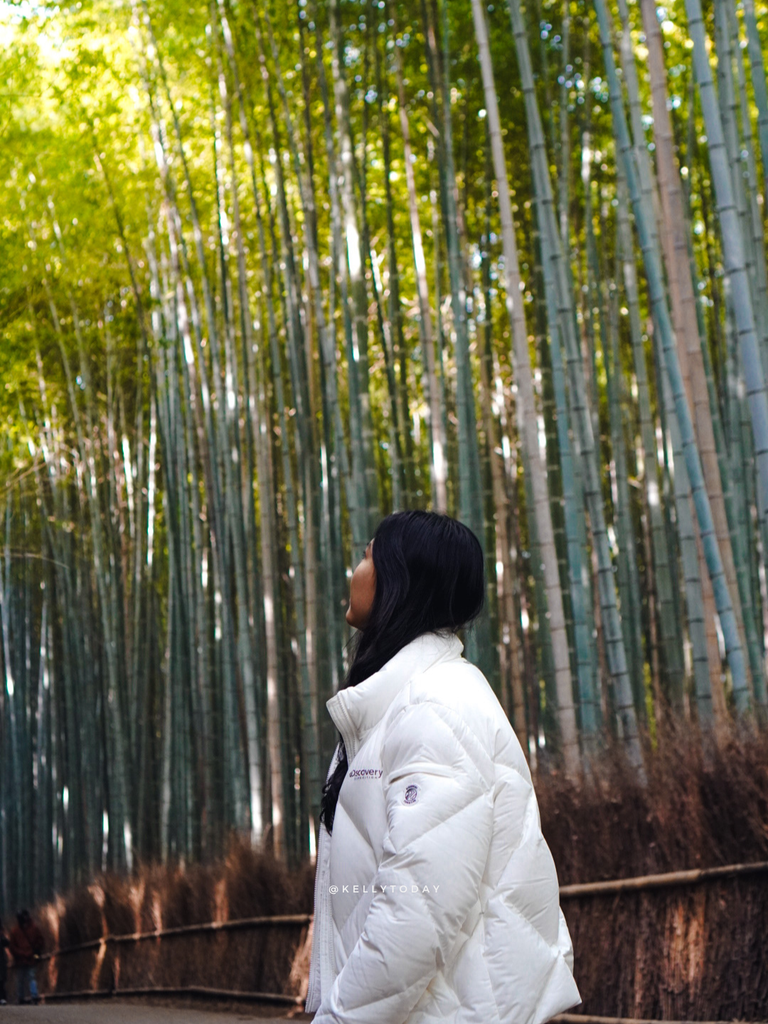
Classic pick — Bamboo Grove: The Arashiyama Bamboo Grove is beautiful, and yes, you should still walk through it — just go straight from the station rather than lingering elsewhere first, since it fills up fast.
Alternative: If you want the bamboo-forest feeling without the crowds, skip the main grove entirely and walk about 20–25 minutes further uphill (past the grove) to Otagi Nenbutsu-ji, a small temple with 1,200 individually carved stone statues, each with a different expression. It rarely sees more than a handful of visitors, even in peak season.
Opening hours: Otagi Nenbutsu-ji, 8:00 to 16:30
Classic pick — Tenryu-ji Temple: A UNESCO World Heritage Zen temple right next to the bamboo grove, with a stunning pond garden. Worth the entry fee even on a tight schedule.
Opening hours: 8:30 to 17:00 (entry until 16:50)
Admission: ¥500 for the garden, additional ¥300 for the temple buildings
Alternative: For a quieter, less-visited garden with the same borrowed-mountain-scenery style, walk a little further to Gio-ji Temple — a tiny, moss-covered temple with a genuinely peaceful atmosphere and a fraction of Tenryu-ji’s visitor numbers.
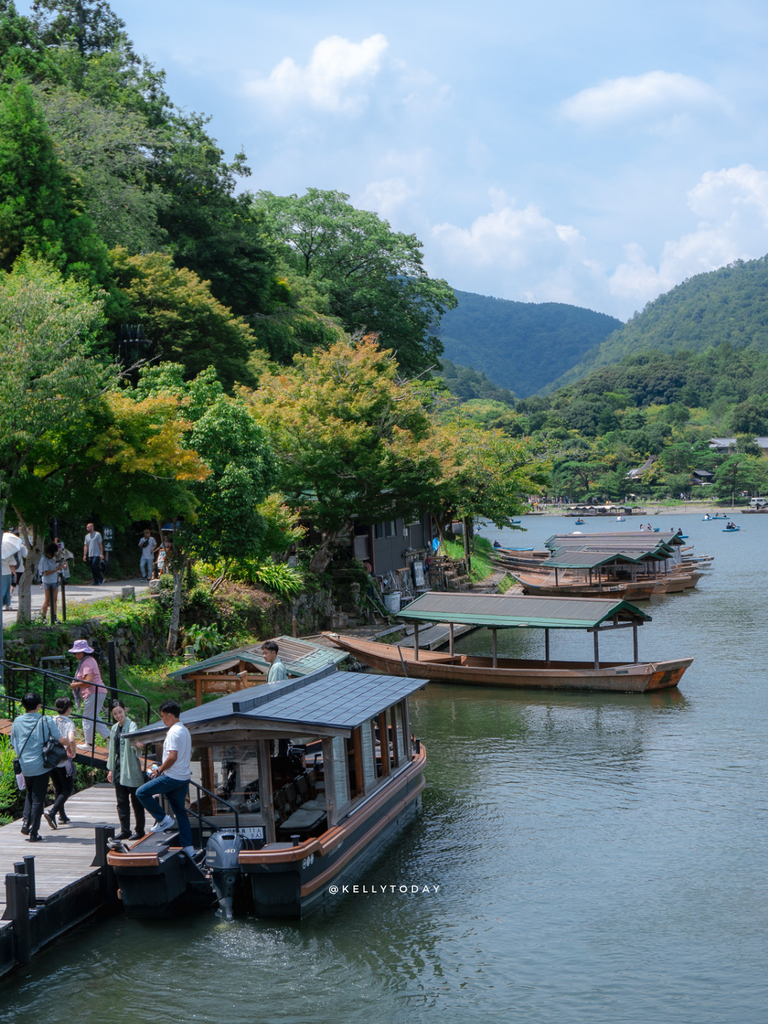
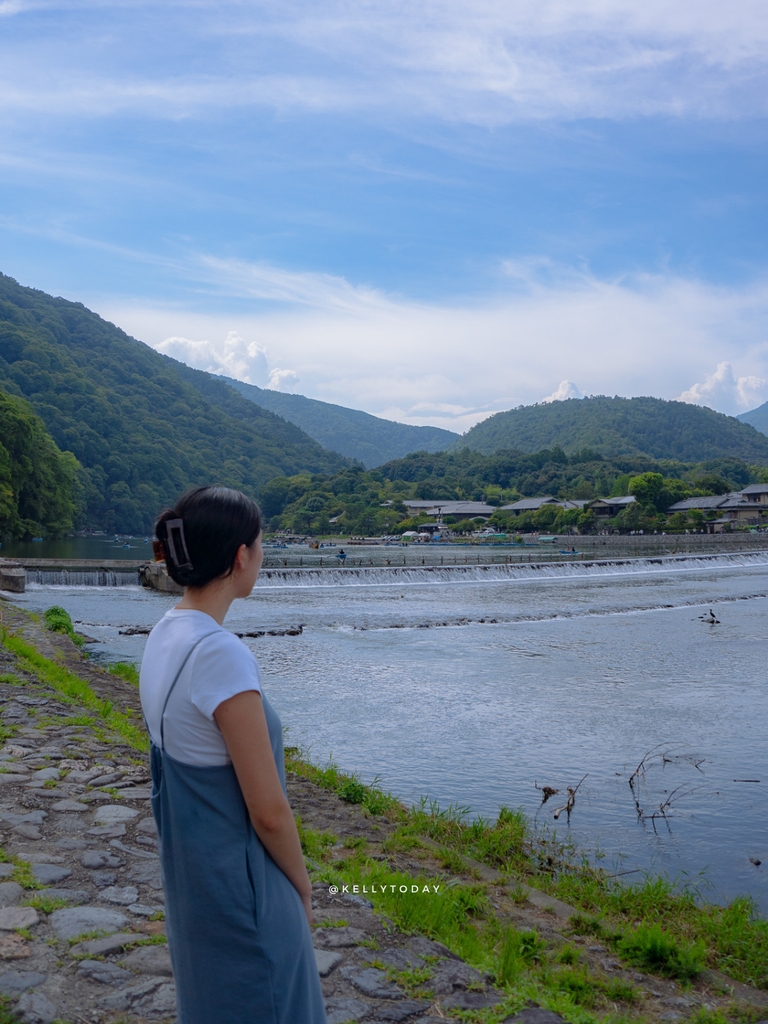
Classic pick — Togetsukyo Bridge: Arashiyama’s iconic bridge over the Katsura River — worth a quick photo stop, but don’t linger too long, it’s mostly a thoroughfare rather than a destination.
Leave room to just wander. Don’t schedule Arashiyama too tightly — the main street between the station and the bamboo grove is lined with stalls selling matcha soft-serve, roasted chestnuts, senbei (rice crackers) and local crafts, and it’s genuinely worth building in 20–30 minutes to browse without a fixed stop in mind. Some of the best food finds here aren’t in any guidebook — just follow the queues of locals.
Ready to explore more of Arashiyama?
🚂 Sagano Scenic Railway (Torokko Train) Tickets: A slow, old-fashioned sightseeing train that winds along the Hozugawa River gorge from Arashiyama to Kameoka — stunning in autumn and spring.
🚣 Hozugawa River Boat Ride: Pair the Torokko train one-way with a traditional boatman-guided river ride back down through the gorge — a fun, active alternative to more temple-hopping.
🎎 Rent a kimono for the day and explore Arashiyama— a popular add-on if you want photos with a bit more flair.
🥢 Chopstick Making Workshop: A hands-on workshop if you’d rather slow down than squeeze in another temple.
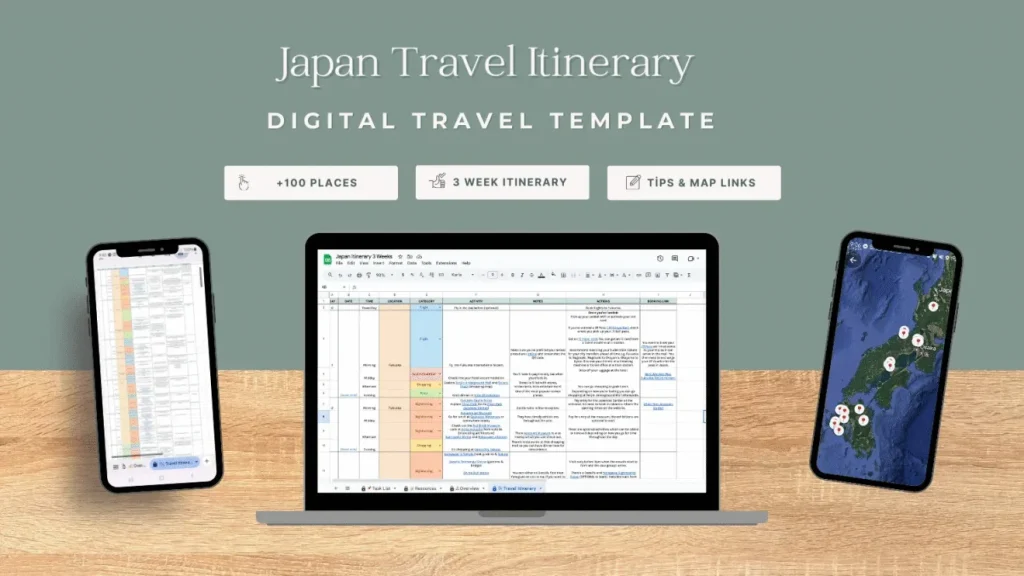
🗺️ Save time planning your Japan Trip! 🇯🇵
Make the most of your trip and cut hours of planning with my 3-Week Japan Travel Itinerary + Map Guide. Everything’s organised for you—must-see spots, hidden gems, and smooth routes—so you can just download, follow along, and enjoy Japan
12 pm Lunch in Arashiyama
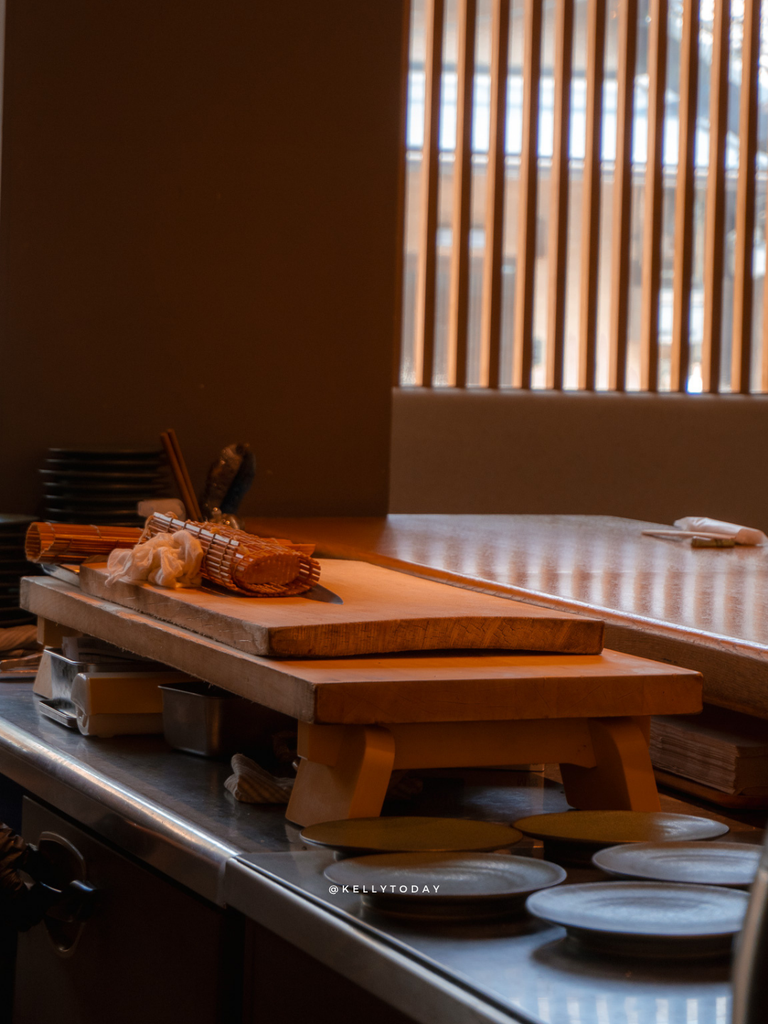
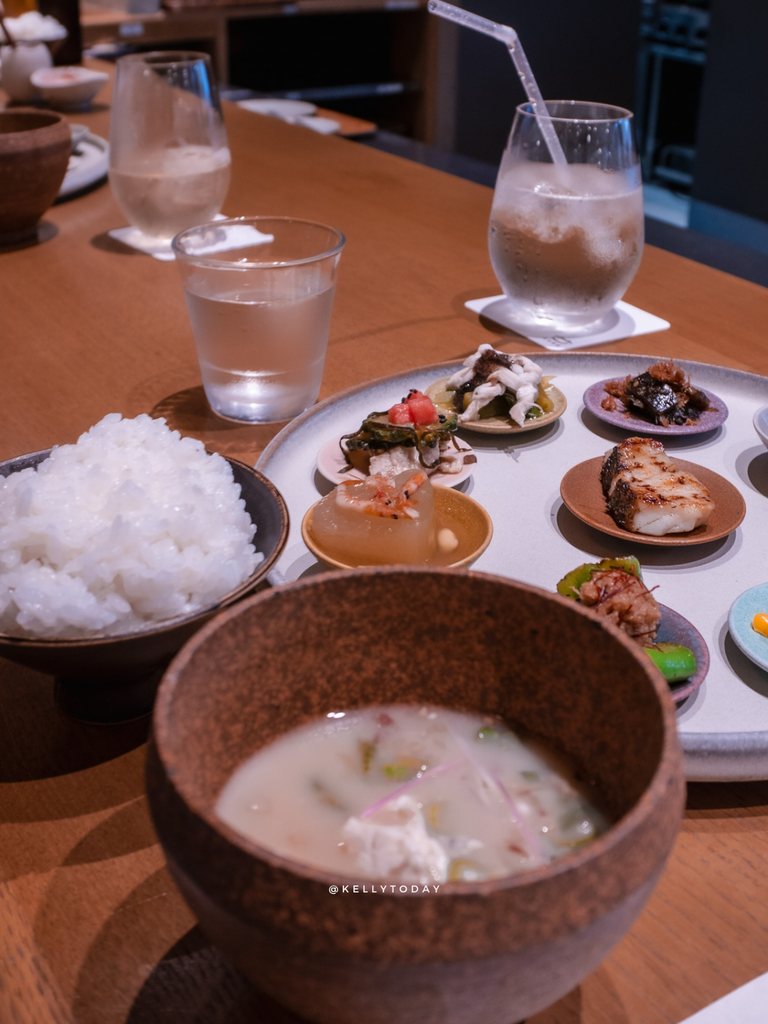
Arashiyama is known for yudofu (simmered tofu), and there are a handful of spots worth seeking out rather than just picking the nearest option:
- Shigetsu: A shojin ryori (Zen vegetarian) restaurant right inside Tenryu-ji’s temple grounds — book ahead if you can, as seating overlooks the temple’s own garden.
- Yudofu Sagano: A long-standing yudofu specialist near Tenryu-ji, known for its silky tofu simmered in a simple kombu broth. Good for a proper sit-down set meal.
- Shoraian: Tofu hotpot with river views, a little further from the main crowds — worth the short walk if you’d rather eat somewhere quieter.
- Arashiyama Yoshimura: A more casual option serving soba alongside tofu dishes, handy if you want something quicker before continuing on to Kinkaku-ji.
If you’re pressed for time, the food stalls along the main street between the station and the bamboo grove are also worth grabbing something from on the go — think fresh mochi, croquettes and matcha soft-serve.
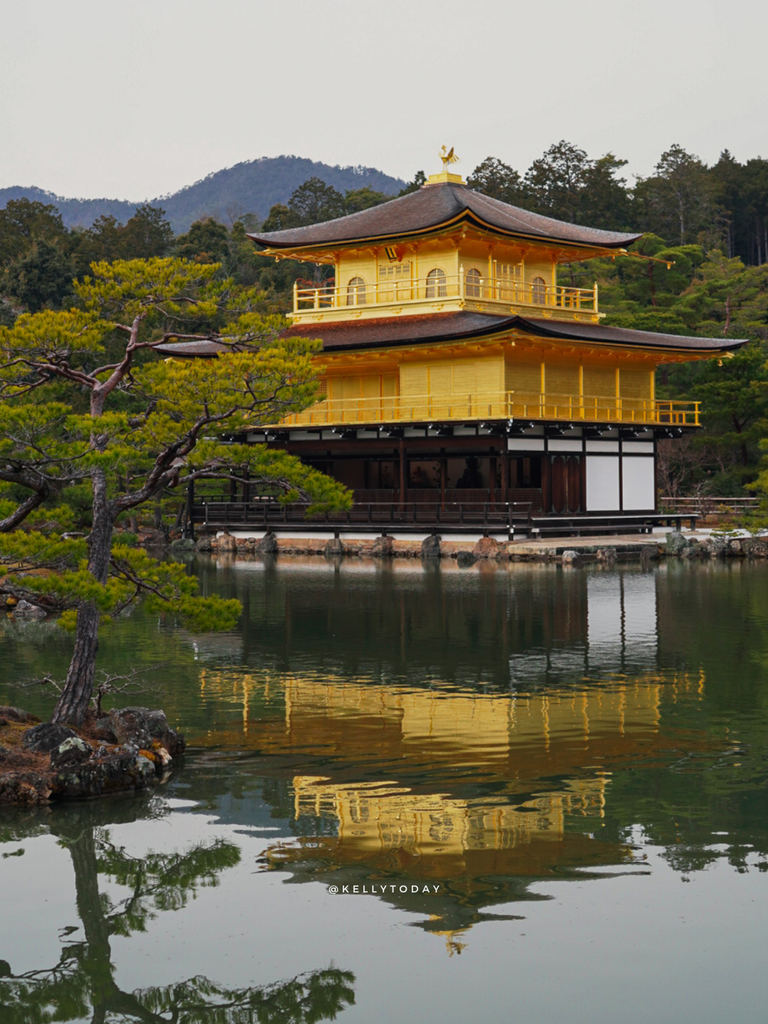
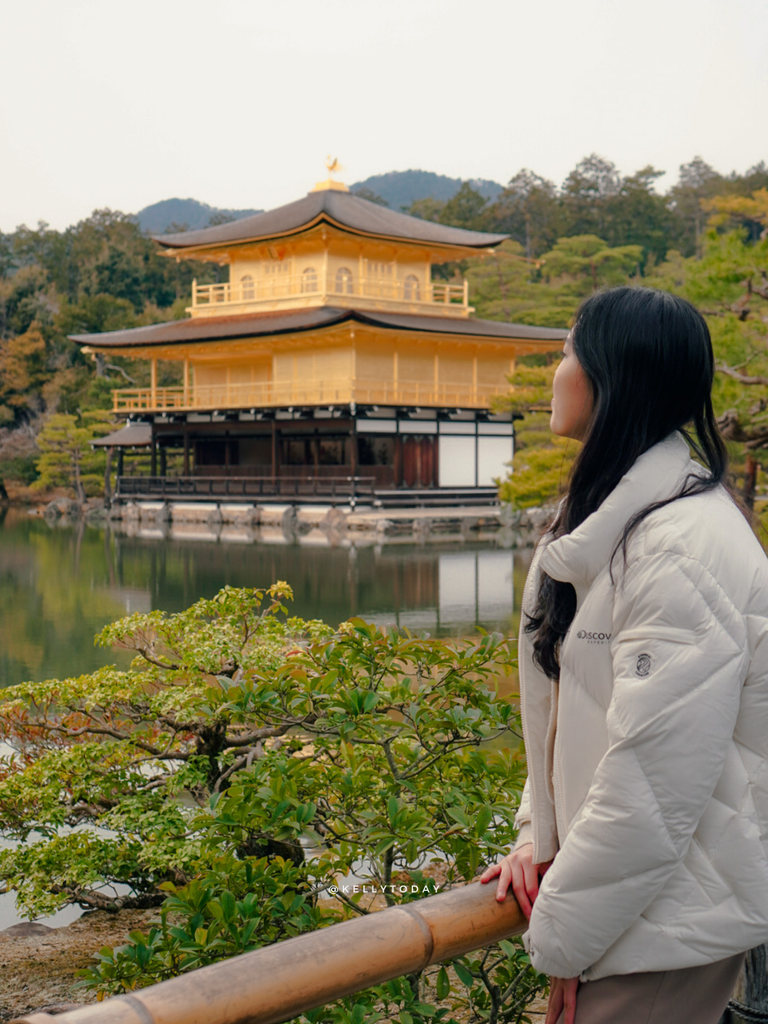
1:30 PM Kinkaku-ji (Golden Pavilion)
Getting there: Bus from Arashiyama to Kinkaku-ji (around 30–40 minutes), or a taxi if you’re short on time.
Opening hours: 9:00 to 17:00 daily
Admission: ¥500
Classic pick: Kinkaku-ji’s gold-leafed pavilion reflecting in its pond really is worth seeing once — it’s one of Japan’s most recognisable images for good reason.
Alternative: If you’d rather skip the crowds entirely (or you’re short on time), head to Ginkaku-ji (the Silver Pavilion) instead — despite the name, it’s not silver at all, but its raked sand garden and moss-covered hillside paths are arguably more atmospheric than Kinkaku-ji, with noticeably fewer visitors. It’s on the opposite side of the city near the Philosopher’s Path, so it pairs well if you’re planning to swap out the Gion leg of this itinerary too.
Another alternative near Kinkaku-ji: Ryoan-ji Temple, just a short bus ride away, is famous for its minimalist rock garden — one of the most photographed Zen gardens in Japan, but with a fraction of Kinkaku-ji’s foot traffic.
3:30 PM Higashiyama & Gion
Getting there: Bus or taxi from Kinkaku-ji to Higashiyama (around 30 minutes).
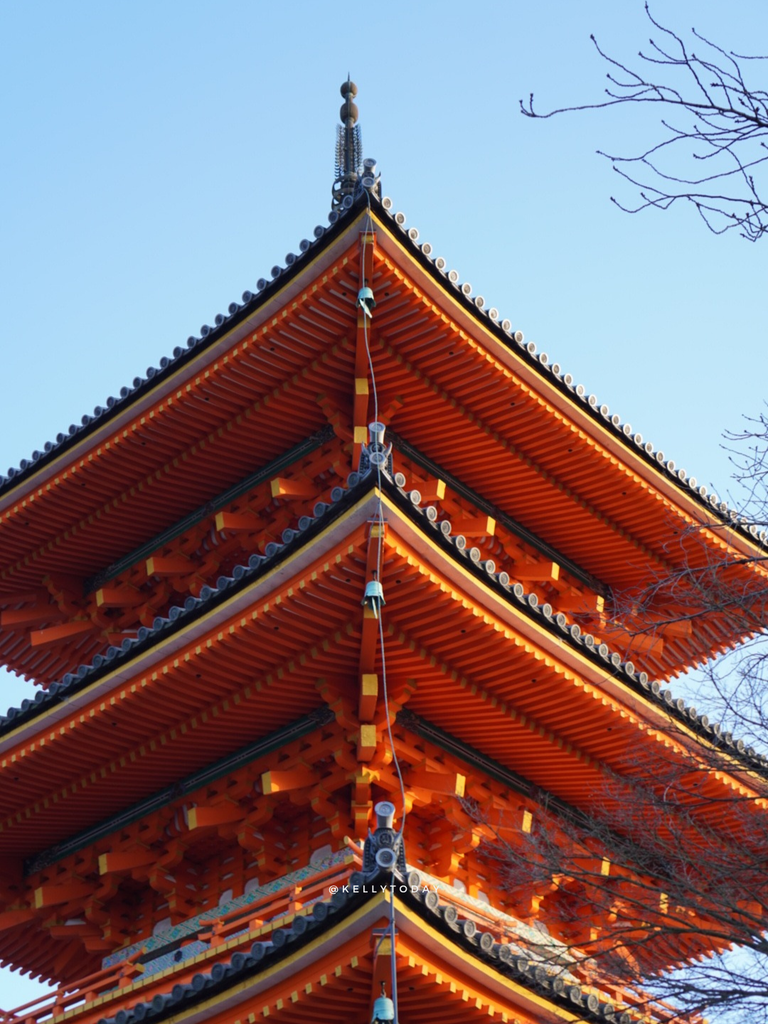
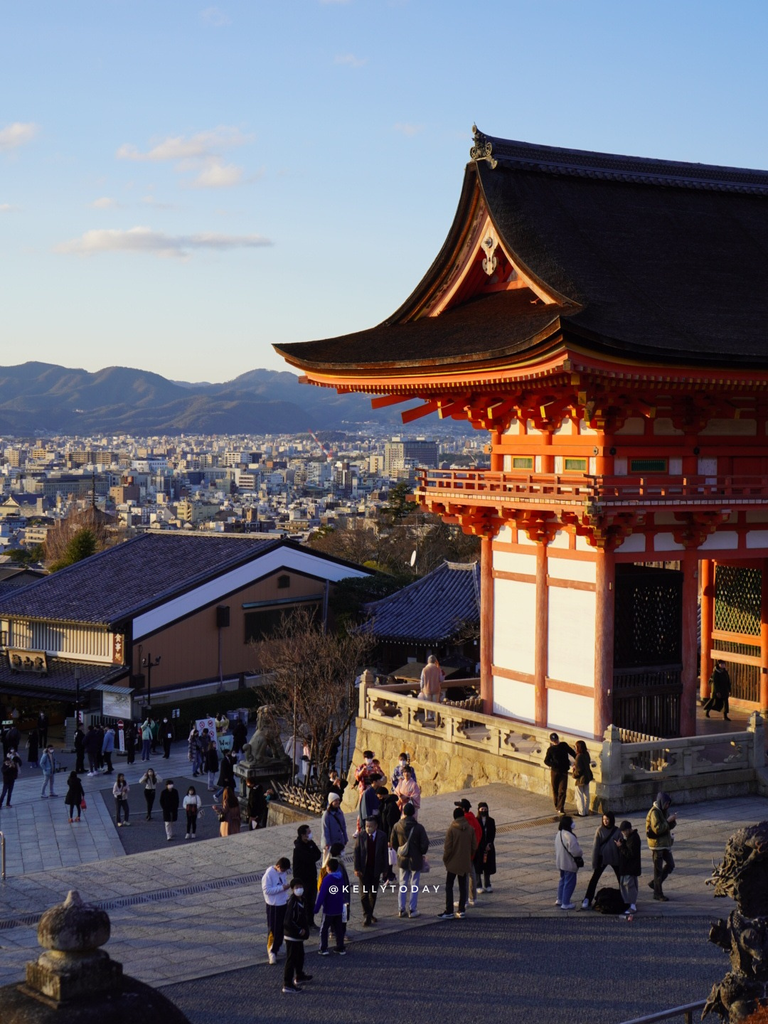
Classic pick — Kiyomizu-dera: Kyoto’s famous hillside temple with sweeping city views from its wooden stage. Beautiful, but by afternoon it’s shoulder-to-shoulder with tour groups making their way up Ninenzaka and Sannenzaka, the preserved stone-paved streets leading to it.
Alternative: For the same historic streetscape without the crush, take Nene no Michi, a quieter cobblestone path running past Kodai-ji Temple just one street over. Kodai-ji itself is a peaceful alternative to Kiyomizu-dera, with a beautifully lit bamboo grove of its own in the evenings.
Opening hours: Kodai-ji, 9:00 to 17:00 (later during illumination events)
Admission: Around ¥600
6 PM Dinner Near Demachiyanagi
For your last night in Kyoto, head back into the city centre for a livelier night out. Kawaramachi and Kiyamachi Street are well worth exploring after dark, with a mix of izakayas, ramen counters, bars and small restaurants that give you a different side of Kyoto from the quieter neighbourhoods around the temples.
Kawaramachi is also one of the city’s best areas for shopping, making it a convenient final stop before your next destination or heading home. You’ll find everything from large department stores and fashion malls to smaller independent shops, with historic streets and the Kamo River still just a short walk away. It’s a nice contrast to Kyoto’s more traditional sightseeing areas, and there’s plenty to wander through even if you don’t have a specific shopping list.
If you’re planning to do some last-minute shopping, this is a good area to pick up souvenirs, Japanese snacks, beauty products or anything else you might want to take home. I’ve also put together a guide to some of the best things to buy in Japan if you’re looking for ideas.
🍻 Enjoy a local bar & Izakaya Crawl Tour: Discover izakayas and local bars with a local guide to delve into the heart of Kyoto’s nightlife.
🍴 Join an all-inclusive nighttime food tour in Kyoto: Explore the Gion quarter and Yasaka Shrine and savour different food and drinks with a local guide.
Day 2 (Option 2): Beyond Arashiyama Bamboo Grove – A Mountain Escape
While everyone else is queuing for a photo in the Arashiyama bamboo grove, you’ll be hiking through sacred mountain forest with barely another person in sight. This is, hands down, my favourite way to spend a day out of central Kyoto.
Not a hiker? Here are two ways to adjust this day:
- Keep Kurama and Kibune, skip the trail. Take the cable car up to Kurama-dera instead of walking, then a short bus or taxi ride over to Kibune rather than the 2–3 hour forest trail. You still get both villages and Kifune Shrine, just at a much gentler pace (full details under Kurama-dera below).
- Swap the whole day for Uji. If mountains and forest trails just aren’t your thing, spend Day 2 in Uji instead — Japan’s matcha capital, about 20 minutes from Kyoto by train. Visit Byodo-in Temple (the one on the 10-yen coin), walk along the Uji River, and take a tea ceremony or matcha-making class. It’s a completely flat, easy day and still well off the typical first-timer route.
9AM Train to Kurama
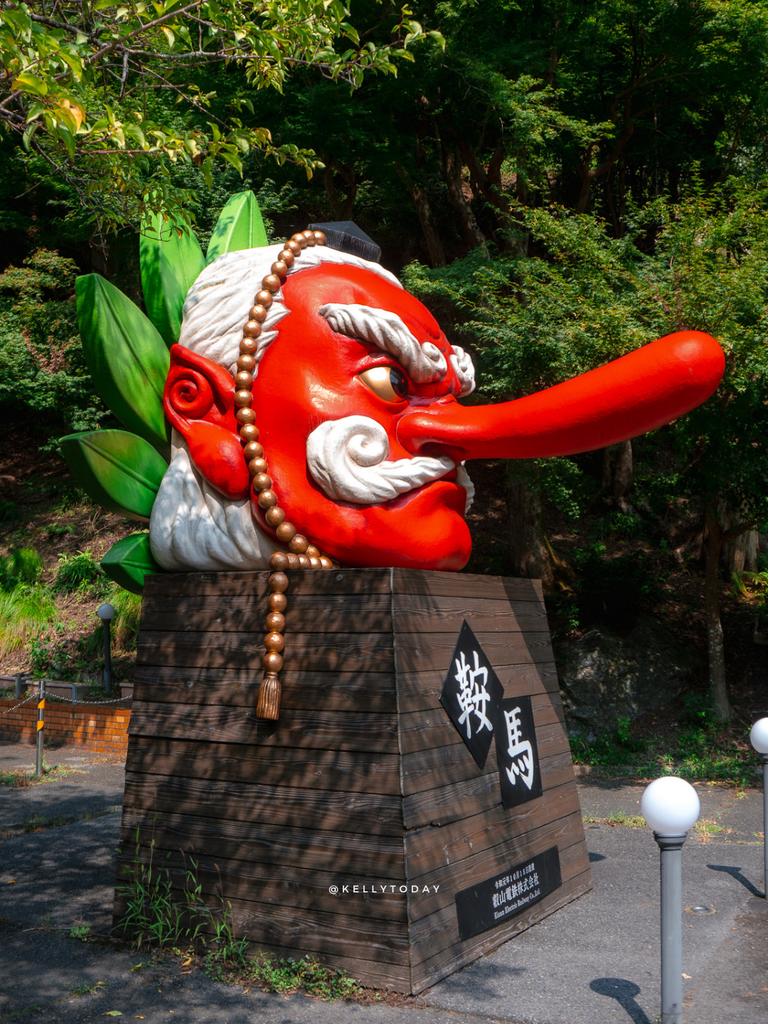
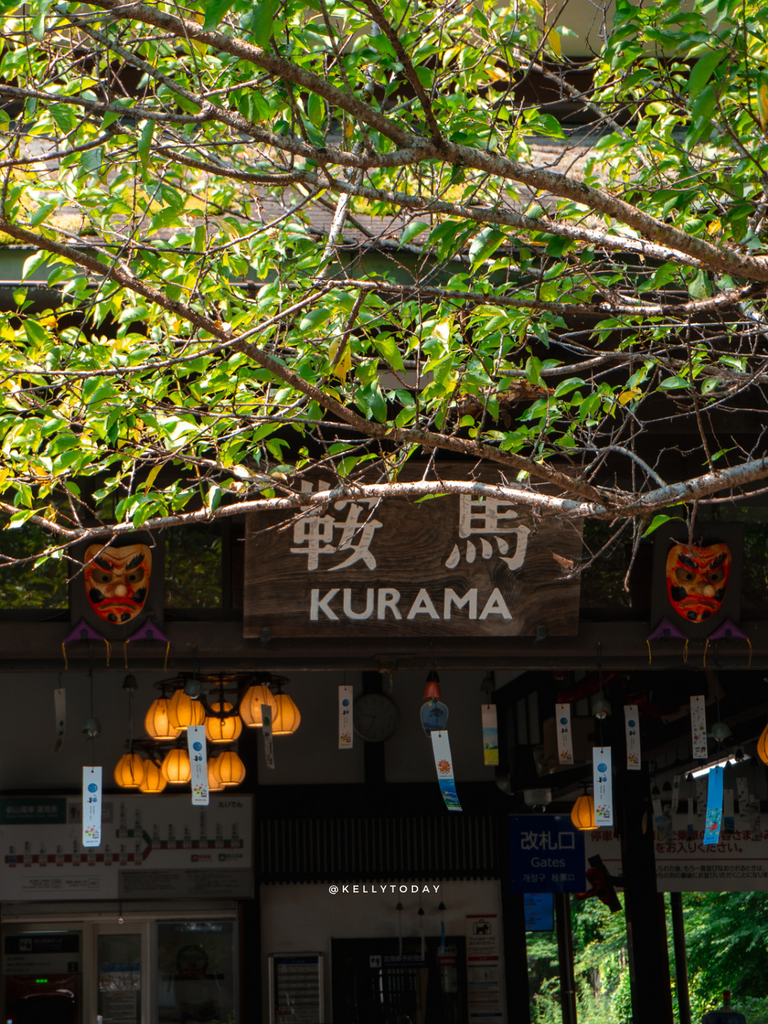
Take the Eizan Railway from Demachiyanagi Station to Kurama Station — a scenic 30-minute ride that winds through forested hills as you leave the city behind. It’s worth timing your trip for a weekday morning if you can, since the trail gets busier from around midday onwards (though “busy” here still means nowhere near Arashiyama levels).
Getting there: From central Kyoto, take a bus or the Keihan/subway to Demachiyanagi Station, then the Eizan Main Line to Kurama (around 30 minutes, no reservation needed).
10AM Explore Kurama-dera Temple
Opening hours: 9:00 to 16:15
Admission: Free (small fee for the Reihoden Museum, around ¥200)
Address: 1074 Kuramahonmachi, Sakyo Ward, Kyoto
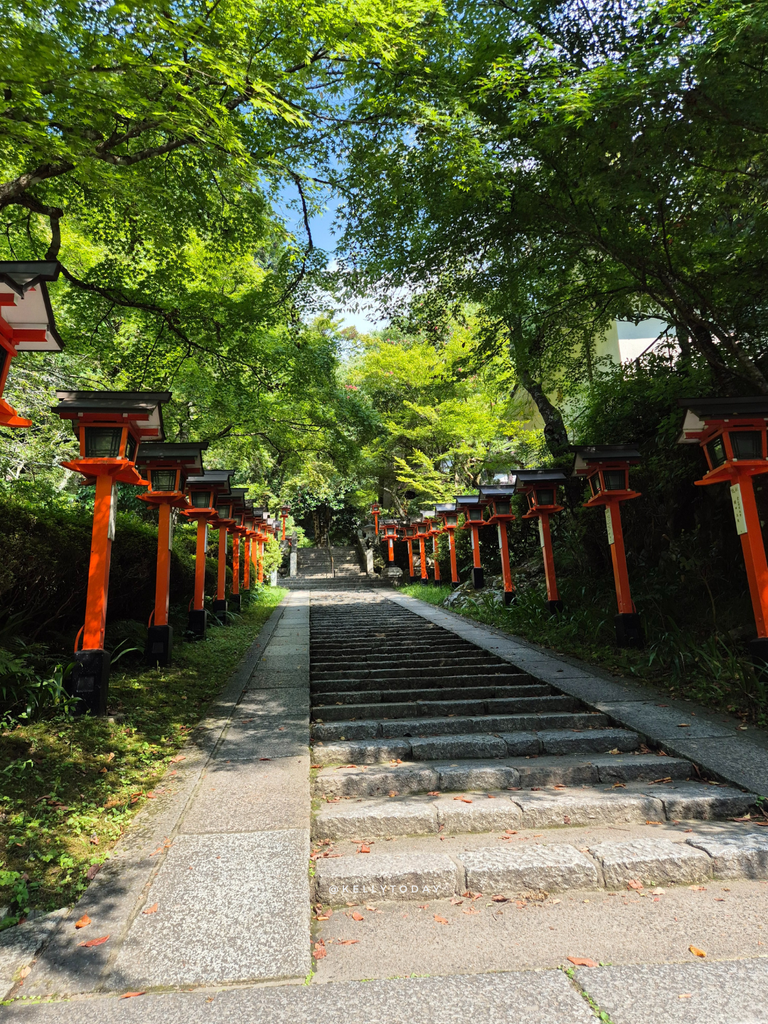
From Kurama Station, it’s a short uphill walk to Kurama-dera, a mountain temple famous in Japanese folklore as the training ground of the legendary warrior-monk Minamoto no Yoshitsune. There’s a cable car if you’d rather skip the initial climb, but the walking path up through the forest, past Yuki Shrine, is genuinely one of the highlights of the day.
Don’t want to hike up? Kurama-dera has its own cable car (Kurama-dera Cable), which takes you most of the way up in a couple of minutes for a small fee (donation-based, around ¥200), leaving just a short walk to the main hall. It’s a good option if you want to see the temple itself without tackling the uphill climb through the forest.
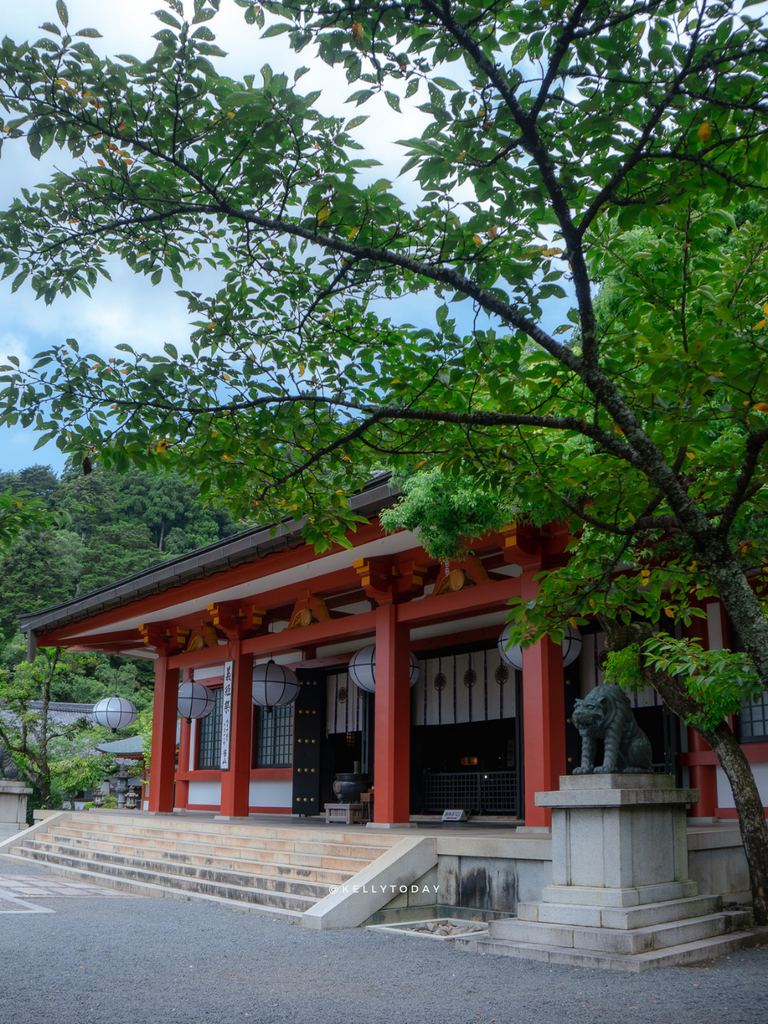
11:30 AM Hike the Kurama to Kibune Trail
Prefer not to hike the connecting trail? You don’t have to choose between “see everything” and “hike the whole way.” After exploring Kurama-dera, backtrack down to Kurama village (via the cable car or on foot) and take a local bus or short taxi ride over to Kibune instead. You’ll still get to see both villages and Kifune Shrine, just without the roughly 2–3 hour forest trail in between. This is a good call if you’re travelling with young kids, limited mobility, or you’d simply rather spend more time relaxing over lunch than on a trail.
Behind Kurama-dera’s main hall, the hiking trail continues over the mountain and down into Kibune village. It’s an easy-to-moderate hike — around 2 to 3 hours all up with stops for photos, mostly stairs and packed dirt paths through dense forest, with almost no phone signal once you’re deep in. Bring water, decent shoes, and cash (there’s nowhere to tap a card up here).
This is the part of the day that makes this itinerary genuinely different from a typical Kyoto trip. You’re walking through centuries-old sacred forest that most visitors to Japan never even know exists, let alone visit.
Trail info: Roughly 3.9km, 2–3 hours including stops, easy-moderate difficulty
1:30PM Kifune Shrine & Riverside Lunch in Kibune
You’ll emerge from the trail into Kibune, a tiny riverside village that feels more like a mountain retreat than anywhere in Kyoto proper. Visit Kifune Shrine, dedicated to the goddess of water, and pick up a fortune slip (omikuji) — dip it in the shrine’s sacred stream and the text appears as if by magic.
If you’re visiting between May and September, this is the place to try kawadoko dining at its most dramatic: restaurants build wooden platforms directly over the rushing river, and you eat your lunch with your feet practically dangling over the water. Book ahead in peak season, as tables go quickly.
Opening hours: Kifune Shrine 6:00 to 20:00 (shorter hours Dec–Apr)
Admission: Free
Address: 180 Kuramakibunecho, Sakyo Ward, Kyoto
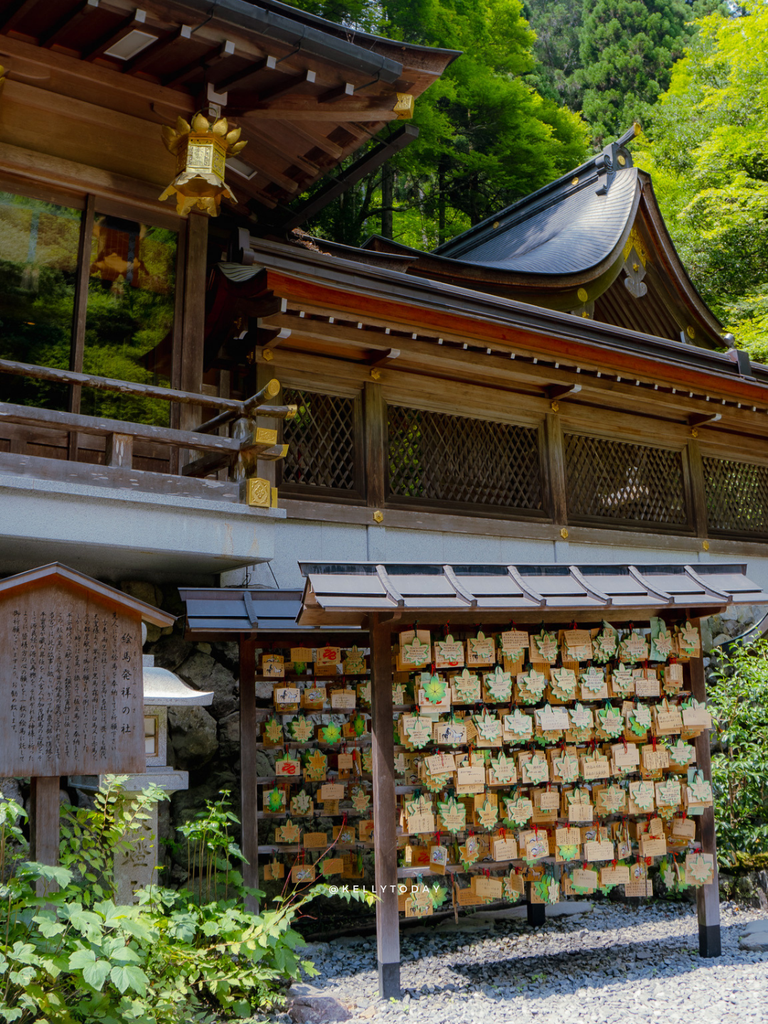
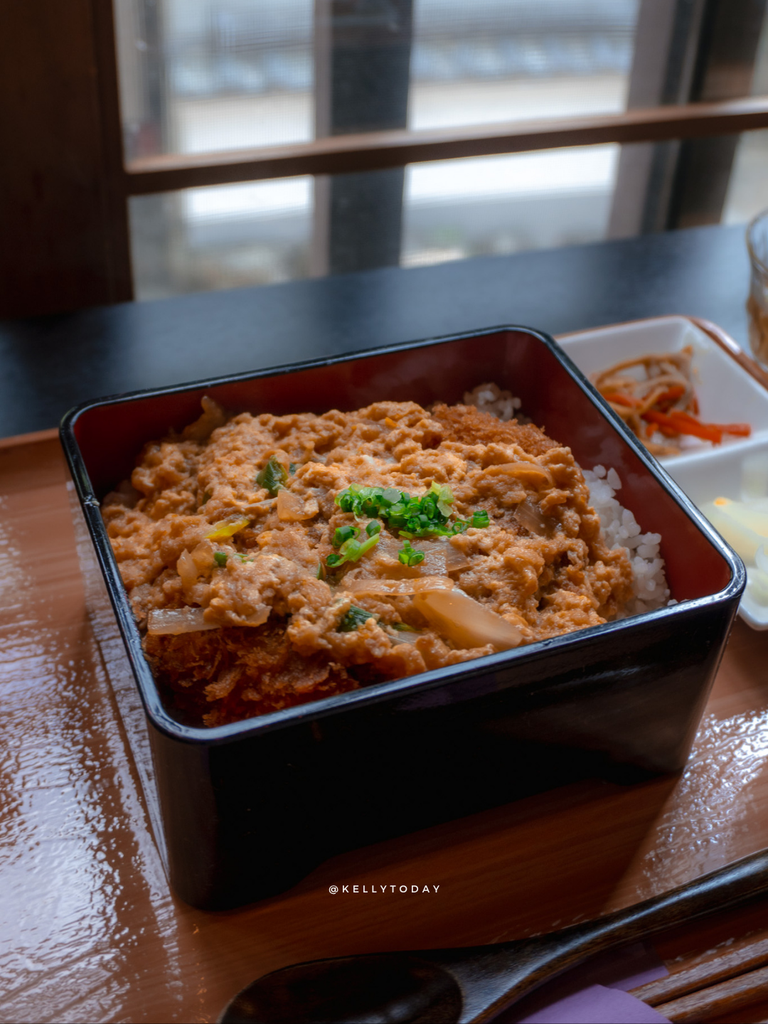
3:30 PM Head Back Towards the City
Walk (or catch the local bus) down to Kibuneguchi Station and take the Eizan line back to Demachiyanagi. If you’ve got energy left, get off a stop early and stroll through Shimogamo Shrine’s Tadasu no Mori — a primeval forest right on the edge of the city that most visitors walk straight past on their way to Kyoto’s bigger sights.
Opening hours: Shimogamo Shrine grounds, 6:30 to 17:00
Admission: Free
6 PM Dinner in Kiyamachi or Teramachi
For your last night, skip Nishiki Market’s tourist-heavy food stalls and head to Kiyamachi Street or the covered Teramachi shopping arcade, both a short walk from Demachiyanagi. You’ll find everything from casual ramen counters to izakaya packed with off-duty locals, without the queues that plague Nishiki in the evenings.
Kyoto Evening Izakaya & Bar-Hopping Tour: A local guide takes you through backstreet izakayas most tourists never find on their own.
Where to Stay in Kyoto
I’ve written an entire guide on this already, so I won’t repeat myself here — check out Where to Stay in Kyoto: 6 Best Areas for Every Traveller for the full breakdown of neighbourhoods and hotel picks.
For this itinerary specifically, I’d recommend basing yourself somewhere between Kyoto Station and Demachiyanagi (around the Kawaramachi or Sanjo area) — it keeps you within easy reach of both Day 1’s Higashiyama temples and Day 2’s train line up to Kurama.
| Type of Traveller | Accommodation |
|---|---|
| 🛌 Best budget option | ASAI Kyoto Shijo (⭐️⭐️⭐️⭐️) |
| 🏠 Best apartment | Gozan Hotel & Serviced Apartment (⭐️⭐️⭐️⭐️) |
| 🧑🧑🧒🧒 Best for families | Hotel Legasta Kyoto Higashiyama (⭐️⭐️⭐️) |
| 📍Best for day trips | Kyoto Century Hotel (⭐️⭐️⭐️⭐️) |
How to Get to Kyoto
Train
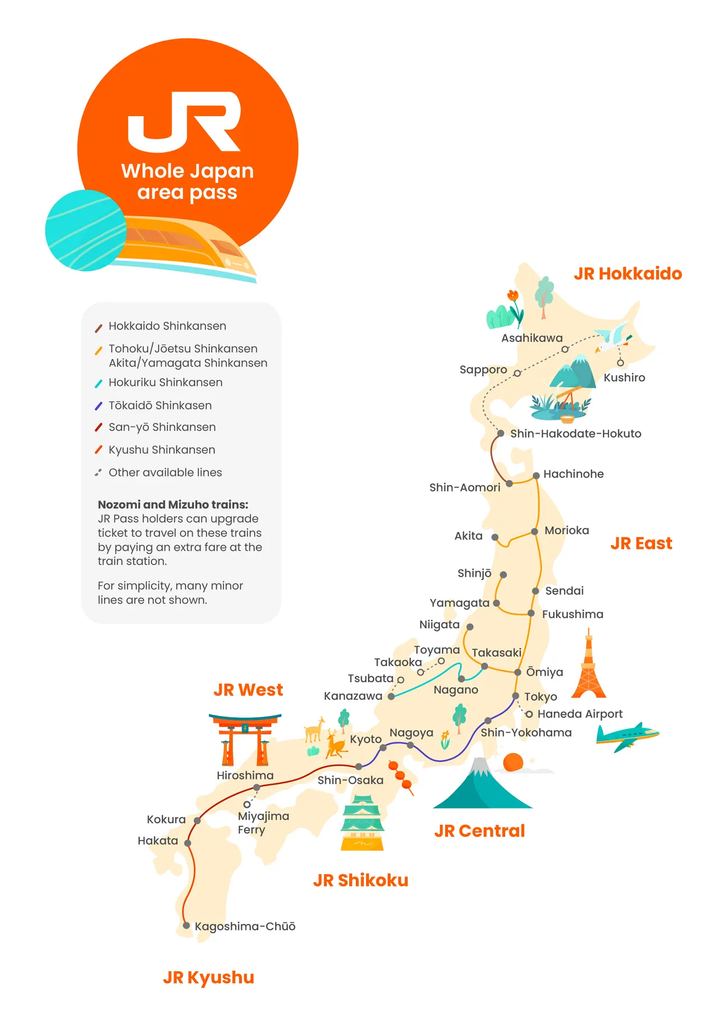
Kyoto is one of the best-connected cities in Japan, sitting right on the Tokaido Shinkansen line. From Tokyo, the bullet train takes around 2 hours 15 minutes; from Osaka, it’s under 15 minutes; from Hiroshima, around 1.5 hours. If you’re travelling to multiple cities on this trip, a Japan Rail Pass is worth comparing against individual ticket prices.
Airplane
Kyoto doesn’t have its own major airport — most travellers fly into Kansai International Airport (KIX) near Osaka, then take a direct train (around 75 minutes) or limousine bus to Kyoto Station.
Buses
Overnight buses between Tokyo, Osaka and Kyoto are a budget-friendly option if you want to save on a night’s accommodation. Check kosokubus.com for routes and prices. You can also explore on Klook bus route and pricing options for your times if you want to keep all your bookings in one place.
How to Get Around Kyoto
Kyoto’s central sights are walkable in clusters, but you’ll want a mix of subway, bus and the Eizan/Keihan private railways for this particular itinerary — especially for Day 2’s trip up to Kurama. Load up your Suica or ICOCA Card and you’re set for all of it, including convenience store purchases along the way.
How to Maximise Your 2 Days in Kyoto Itinerary
If you want to tweak this itinerary or you’ve got a bit more time up your sleeve, here are a few swaps and additions:
- Want a taste of Arashiyama without the crowds? Skip the bamboo grove entirely and walk 20–25 minutes uphill past it to Otagi Nenbutsu-ji, a temple with 1,200 individually carved stone statues, each with its own expression. It’s genuinely one of Kyoto’s most underrated spots and rarely sees more than a handful of visitors at a time.
- Have a third day? Consider a half-day trip to Uji, Japan’s matcha capital, for a tea ceremony and a walk along the Uji River — it’s a quieter alternative to the usual Nara day trip.
- Travelling in autumn? Swap Honen-in’s morning slot for Tofuku-ji’s Tsutenkyo Bridge illumination if you’re visiting in mid-to-late November — just be prepared for it to be considerably busier than the rest of this itinerary.
- Not up for a full hike? You can still visit Kurama-dera and Kifune Shrine without doing the full trail — take the cable car up at Kurama and a taxi or bus between the two villages instead.
Beyond Kyoto: Where to Go Next
Need some inspiration for the rest of your Japan trip? Check out these guides:
- Osaka: Only 15 minutes away by Shinkansen, Osaka offers a completely different energy to Kyoto’s temples and gardens. Start planning with The Ultimate 1 Day in Osaka Itinerary.
- Fukuoka: If you’re heading further south into Kyushu, don’t miss these 10 Day Trips from Fukuoka.
- First time in Japan? Make sure you’ve read 20 Helpful Things to Know When Travelling to Japan before you go.
Other Resources You Might Find Helpful
- 20 Helpful Things To Know Before Travelling to Japan
- Apps You Need to Download For Your Trip to Japan
- 20 Best Things to Buy in Japan That’s Worth Your Money
- 3 Week Japan Travel Itinerary for Visitors
- Ultimate Travel Notion Travel Template
- Ungatekeeping things I Did on My Japan Summer Trip
Travel Planning Resources
Power Adaptors: I always recommend buying a universal adaptor so you can use it in any country (great for future travels), and it offers extra ports for USB cables to charge your devices.
Accommodation 🛌: I book all my accommodation in Japan through Booking.com. They have a wide selection of accommodations worldwide, with flexible booking options and great deals. If you join their Genius Loyalty program, you can also get discounts on selected stays.
Attractions & Tours 🌟 Klook and GetYourGuide are my preferred platforms for local tours and activities in Europe. They make it easy to compare tours, book experiences and the best deals. You can also download their mobile app, where you can easily access your bookings on the go.
Easy Car Rental 🚗 Get hassle-free car rentals on DiscoverCars with a wide selection, competitive prices, and great customer service. Often it’s cheaper than booking direct, and you can compare a large range of suppliers to check if you’re getting the best price.
Stay Connected 📶 wherever you go by easily and affordably purchasing an eSim for all your travels. Thanks to Airalo, you’ll get instant access to data, and you don’t need to physically swap a plastic SIM card every time you’re travelling to a new country.
Travel Insurance 🛡️ I use World Nomads for overseas travel insurance. Travel with peace of mind knowing you’ll be covered for unexpected events and plan a worry-free journey.
Camera Gear 📸: If you’re curious about the camera gear I’ve used for my photos, find out what’s in my camera bag here.
Found this helpful? 👇🏼
Support my work by buying me a coffee so I can produce more free content for you.
📌 Found this 2 Day Kyoto Itinerary helpful? Save this for later.


Leave a Reply
You must be logged in to post a comment.