• Home
  • Blog
    • Travel Tips & Guides
    • Working Abroad
    • Photography
    • Books
  • Travel
    • Europe
    • South Korea
    • Japan
    • Australia
      • Western Australia
  • Free Resources
  • Shop
  • Portfolio
  • About
    • About Me
    • Frequently Asked Questions
  • Work with Me

Explore

  • Work With Me
  • About Me
  • Shop
  • Blog

Connect

Kelly Today

Japan, Travel · December 9, 2025

Where to Stay in Kyoto: 6 Best Areas to Stay in Kyoto for Every Traveller

share tweet share pin post share

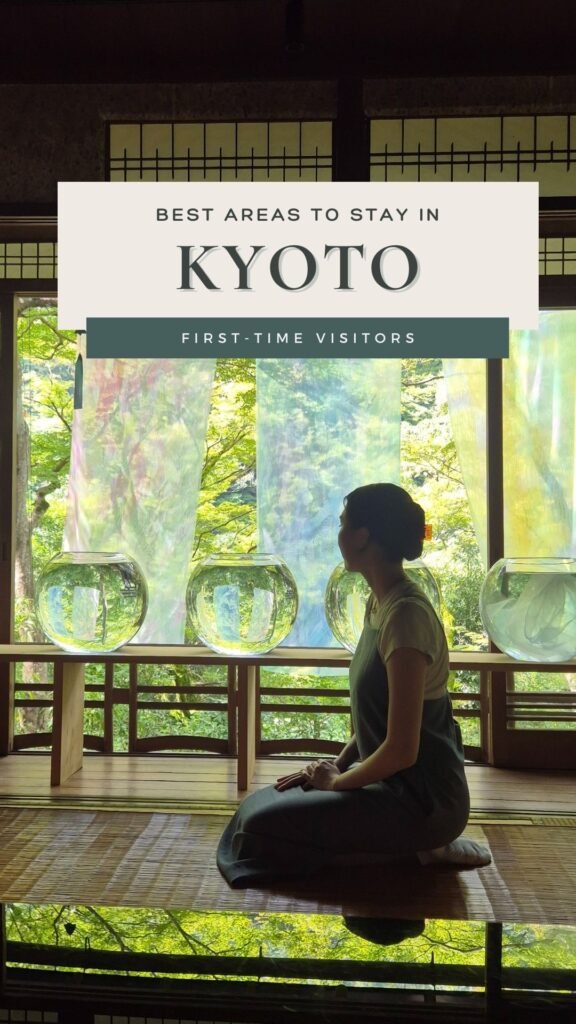
Choosing where to stay in Kyoto can completely shape your trip. Whether you want traditional streets, riverside scenery, nightlife, or easy transport connections, Kyoto has neighbourhoods suited for every travel style. This guide breaks down the best areas to stay in Kyoto, explains who each area is best for, and includes helpful mini guides to make your trip planning easier.

Travelling to Japan for the first time? Here are 20 things I wish I knew before my trip — tips that’ll help you travel smarter and make the most of your Japan adventure!

Disclaimer: This post may contain affiliate links, which means I get a small commission if you make a purchase (at no extra cost to you). It’s one of the ways I can keep producing free resources and guides for my readers. Thank you for your support! Refer to the Disclosure Policy for more details.

Contents hide
1 Overview of Where to Stay in Kyoto
2 Best Areas to Stay in Kyoto
2.1 Downtown Kyoto – Best for First-Time Visitors, Food & Shopping
2.1.1 Where to Stay in Downtown Kyoto
2.2 Southern Higashiyama – Best for Culture and Traditional Streets
2.2.1 Where to Stay in Southern Higashiyama
2.3 Kyoto Station Area – Best for Transport, Day Trips & Budget Travellers
2.3.1 Where to Stay in Kyoto Station Area
2.4 Central Kyoto – Best for Peaceful Stays, Families & Longer Trips
2.4.1 Where to Stay in Central Kyoto
2.5 Northern Higashiyama – Best for Nature Lovers, Walkers and Temple Hopping
2.5.1 Where to Stay in Northern Higashiyama
2.6 Arashiyama -Best for scenic escapes, nature retreats and relaxation
2.6.1 Where to Stay in Arashiyama
3 FAQs about Where to Stay in Kyoto
3.1 Where is the best place to stay in Kyoto?
3.2 Where should I stay in Kyoto for the most traditional experience?
3.3 Is Kyoto a walkable city?
3.4 How many days do I need in Kyoto?
3.5 Where to stay in Kyoto for the first time?
3.6 Where to stay in Kyoto with family?
3.7 Should I stay in Kyoto or Osaka?

Overview of Where to Stay in Kyoto

Having visited Kyoto more than four times, I’ve learned a thing or two about the city’s best neighbourhoods to stay in. For first-time visitors, I usually recommend the Higashiyama area or the Kyoto Station area — both are well connected by public transport, making it easy to reach the city’s main attractions.

If you’re short on time or just want a quick guide, here’s a roundup of my top picks for where to stay in Kyoto, from bustling downtown streets to peaceful, scenic corners of the city. These options cater to a range of budgets and travel styles, helping you make the most of your Kyoto experience.

Accommodation typeAccommodation Options
🛌 Best budget optionASAI Kyoto Shijo (⭐️⭐️⭐️⭐️)
🏠 Best apartmentGozan Hotel & Serviced Apartment (⭐️⭐️⭐️⭐️)
🧑‍🧑‍🧒‍🧒 Best for families Hotel Legasta Kyoto Higashiyama (⭐️⭐️⭐️)
📌 Best ryokan optionKyoto Higashiyamaso (⭐️⭐️⭐️)
📍Best for day tripsKyoto Century Hotel (⭐️⭐️⭐️⭐️)
💸 Best luxury hotelSolaria Nishitetsu Hotel Kyoto Premier (⭐️⭐️⭐️⭐️)

Short on time?

Here are my top recommendations for your next Japan trip:

💸 Save money: Use a Wise travel card to spend in multiple currencies with real exchange rates and low conversion fees

🗺️ Save time with my digital three-week Japan travel itinerary template.

🙇🏻‍♀️ Stay organised: Plan every part of your trip, from itinerary to packing list, with my Ultimate Notion Travel Planner Template. It’s the exact system I use to streamline my travel prep, and it’s perfect for visual planners who want everything in one place.

🛤️ Getting Around Japan: Order a Suica card to use public transport (buses, trains) and pay at convenience stores in Japan.

🚄 Travelling across Japan: The Japan Rail Pass provides unlimited rides on JR train lines and most Shinkansen (bullet trains).

🗺️ Tours: Pre-book tours, skip-the-line passes and cultural experiences using Klook, GetYourGuide, and Viator.

🛌 Accommodation: Find the best deals and filter by reviews on Booking.com.

🏥 Travel Insurance: Never leave home without it. World Nomads offers reliable coverage for medical emergencies, cancellations, and lost items.

📶 Staying Connected: Get instant access to data with Airalo eSIM.

Best Areas to Stay in Kyoto

Downtown Kyoto – Best for First-Time Visitors, Food & Shopping

Price RangeAccommodation Options
📌 Best ryokan optionToshiharu Ryokan (⭐️⭐️⭐️⭐️)
🛌 Best value optionASAI Kyoto Shijo (⭐️⭐️⭐️⭐️)
🏨 Best mid-range hotelThe Royal Park Hotel Kyoto Sanjo (⭐️⭐️⭐️⭐️)
💸 Best luxury hotelSolaria Nishitetsu Hotel Kyoto Premier (⭐️⭐️⭐️⭐️)

Downtown Kyoto (around Kawaramachi, Pontocho, and Gion-Shijo) is the most convenient area for first-time travellers. This is where Kyoto feels its most energetic, with endless restaurants, cafés, bars, markets, and shopping arcades creating a vibrant atmosphere day and night. Everything is walkable, and you’ll have quick access to both subway lines and major train routes. Gion and the Higashiyama are only a 10–15 minute stroll away.

While the neighbourhood is home to many upscale hotels, you’ll still find plenty of budget-friendly stays tucked between the main streets, making it suitable for all types of travellers.

If you prioritise convenience, you’ll love being within walking distance of top sightseeing areas, including Northern and Southern Higashiyama. The only downside? Its popularity means the streets can be busy, especially during peak travel seasons — a small trade-off for having everything at your doorstep.

Mini Guide for Downtown Kyoto

📌 Best for: first-time visitors, food and shopping

💸 Save money with the Kyoto & Osaka Sightseeing Pass and get unlimited travel on the Keihan Railway.

🗺️ Discover Nishiki Market like a local on a half-day morning walking food tour.

📍Top things to do in or near Downtown Kyoto

  • Nishiki Market – Known as “Kyoto’s Kitchen,” this bustling market is perfect for sampling local snacks, picking up fresh produce, and browsing traditional crafts.
  • Shijo Shopping Street – A lively shopping strip filled with department stores, boutiques, and cafés, ideal for picking up souvenirs or enjoying a casual stroll.
  • Teramachi Shopping Arcade – A covered shopping street with a mix of modern shops and traditional stores, great for exploring rain or shine.
  • Kamogawa River – Take a relaxing walk along the riverside, especially beautiful at sunset when locals gather to enjoy the view.
  • Nijo Castle – Explore this historic UNESCO World Heritage site with its impressive architecture, gardens, and rich history.

Where to Stay in Downtown Kyoto

Ryojan: Toshiharu Ryokan (⭐️⭐️⭐️⭐️)

Stay at Toshiharu Ryokan, a charming Meiji-era property just minutes from Gojo Station, offering traditional tatami rooms with futon bedding and serene garden views. Enjoy private-turn baths, an optional Japanese breakfast, and relaxing massages. Perfectly located near Higashi Hongan-ji Temple, Kamogawa River, and Kyoto Station for easy sightseeing.

Budget: ASAI Kyoto Shijo (⭐️⭐️⭐️⭐️)

Modern, comfortable rooms feature city views, air-conditioning, and walk-in showers, with a work desk and fridge for convenience. Guests can enjoy Thai and international cuisine at the on-site restaurant, plus amenities like free WiFi, a bar, and 24-hour service. Centrally located near Gion Shijo Station and top Kyoto attractions, it’s ideal for couples and first-time visitors.

Mid-Range: The Royal Park Hotel Kyoto Sanjo (⭐️⭐️⭐️⭐️)

Stylish and modern, this hotel offers air-conditioned rooms with flat-screen TVs, private bathrooms, refrigerators, and free WiFi. Guests can enjoy a buffet restaurant, bar, and convenient amenities like 24-hour front desk service and luggage storage. Located just minutes from Kyoto Shiyakusho-mae and Sanjo Keihan Stations, it’s within walking distance of the Imperial Palace, Gion, Yasaka Shrine, and Nijo Castle.

High-Range: Solaria Nishitetsu Hotel Kyoto Premier (⭐️⭐️⭐️⭐️)

Opened in 2017, this modern hotel offers air-conditioned rooms with private bathrooms, flat-screen TVs, and some with scenic Kamo River views. Guests can enjoy the on-site restaurant, public bath, and 24-hour front desk, with convenient amenities like free luggage storage and a concierge service. Located a short walk from Sanjo Station and close to Kyoto’s top attractions, it’s an ideal base for exploring the city.
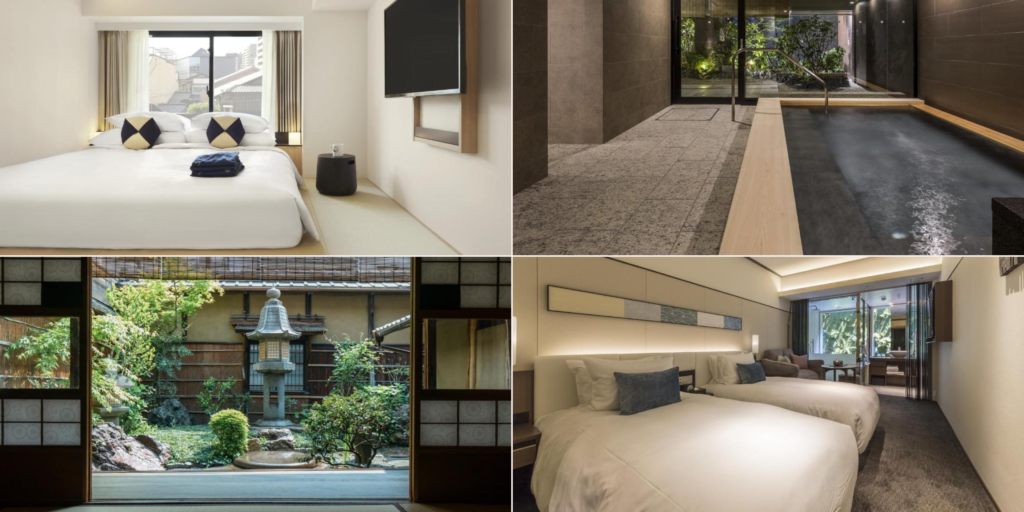
where to stay in Kyoto - best areas to stay in Kyoto
Overview of the best places to stay in Downtown Kyoto (Source: Booking.com)

Southern Higashiyama – Best for Culture and Traditional Streets

Accommodation typeAccommodation Options
📌 Best ryokan optionKyoto Higashiyamaso (⭐️⭐️⭐️)
🛌 Best value optionStay Sakura Kyoto Gion Miyagawacho (⭐️⭐️⭐️)
🏨 Best mid-range hotelKyoto Granbell Hotel (⭐️⭐️⭐️⭐️)
💸 Best luxury hotelPark Hyatt Kyoto (⭐️⭐️⭐️⭐️⭐️)

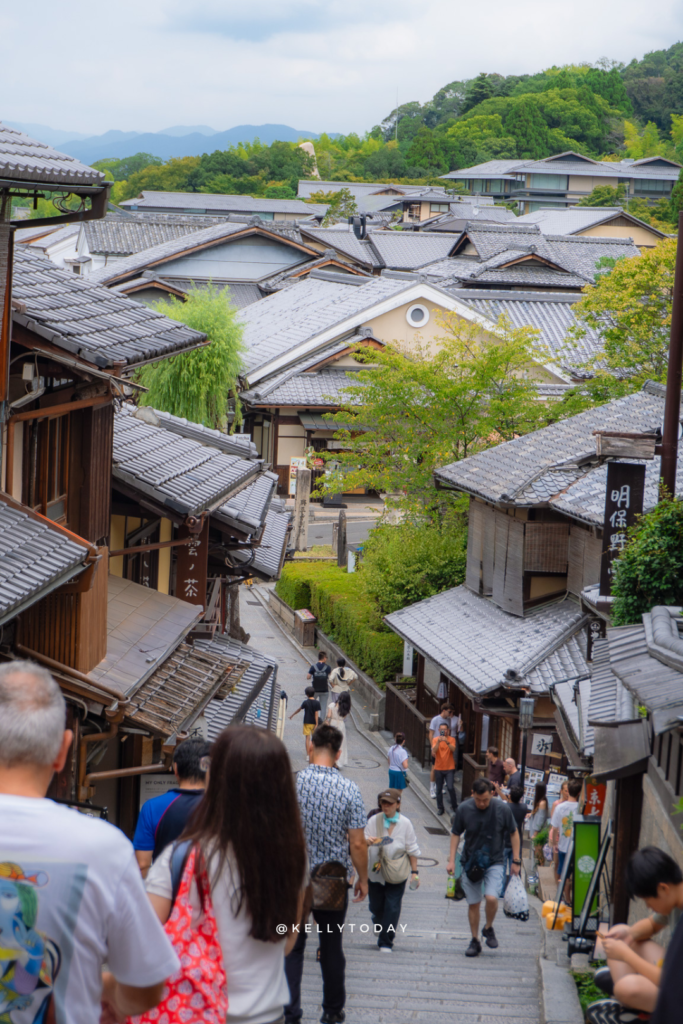
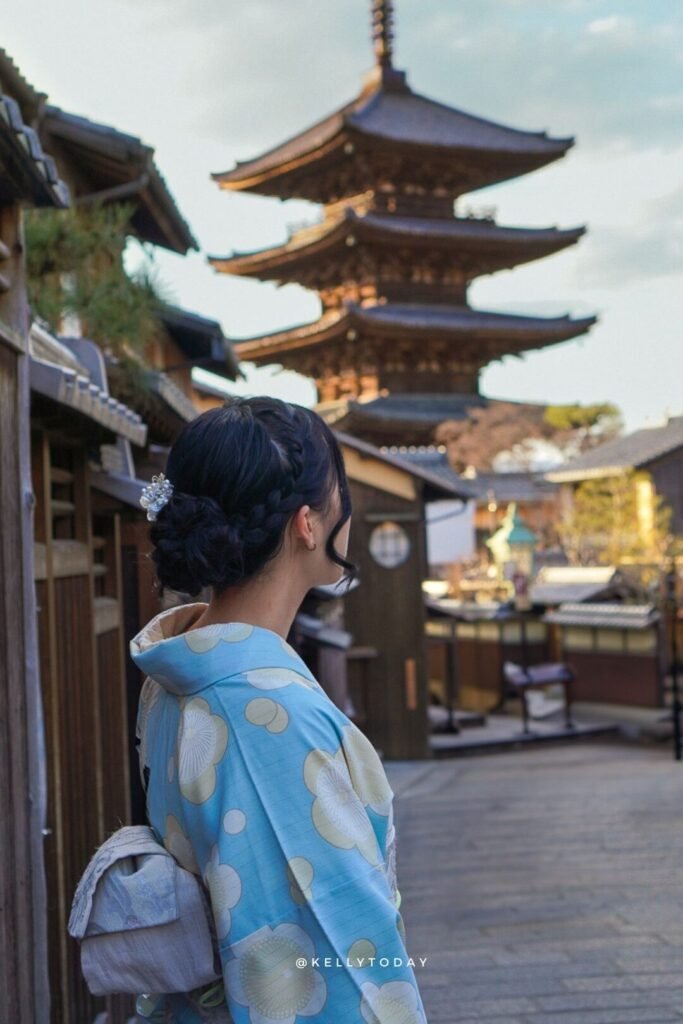
Southern Higashiyama is Kyoto at its most iconic—cobblestone lanes, wooden teahouses, geisha districts, and ancient temples. Staying here feels like stepping straight into a postcard, especially at sunrise or after dusk when the crowds fade, and the lanterns glow. For an extra-special experience, consider booking a stay in a ryokan or machiya, Kyoto’s beautifully preserved traditional townhouses.

This area includes Gion, giving you easy walking access to some of Kyoto’s most famous sights, from Yasaka Shrine to Kiyomizu-dera. You’ll also find a great mix of ryokans and machiyas that immerse you in Kyoto’s old-world atmosphere.

If you want to wander Kyoto’s most iconic streets while still being relatively close to Downtown Kyoto, Southern Higashiyama is a perfect choice. Just note that it’s not the easiest area to reach directly from Kyoto Station, and some parts are best explored on foot rather than by public transport.

Mini Guide for a Southern Higashiyama

📌 Best for those who want that old Kyoto charm and love exploring historical streets.

📍Top things to do in or near Southern Higashiyama

  • Kiyomizu-dera Temple – One of Kyoto’s most famous landmarks, known for its wooden stage with sweeping views of the city and stunning seasonal scenery.
  • Kimono Rental Experience – Dress in a traditional kimono and wander the streets of Higashiyama for a fully immersive Kyoto experience, perfect for photos and cultural connection.
  • Yasaka Pagoda – An iconic five-story pagoda that’s perfect for photos and soaking up traditional Kyoto vibes.
  • Ninenzaka and Sannenzaka – Charming, sloped streets lined with traditional shops, cafés, and souvenir stores — ideal for a leisurely stroll.
  • Gion District – Explore Kyoto’s historic geisha district, filled with teahouses, cultural experiences, and traditional architecture.
  • Gion Shirakawa – A picturesque riverside area of Gion, known for its scenic canals, willow-lined streets, and quiet charm
Where to Stay in Kyoto Japan - Best Areas to Stay in kyoto Japan

Where to Stay in Southern Higashiyama

Budget: Stay Sakura Kyoto Gion Miyagawacho (⭐️⭐️⭐️)

This aparthotel offers clean, modern rooms with private bathrooms, air-conditioning, and convenient in-room amenities. With free WiFi, friendly staff, and a prime location near Gion Shijo Station and major Kyoto sights, it’s a comfortable and convenient base for exploring Kyoto.

Budget: M’s Inn Higashiyama (⭐️⭐️⭐️)

Modern rooms with a washing machine, microwave, and free WiFi make this a super comfortable stay. Just an 8–10 minute walk from Gion Shijo and Kawaramachi Stations, it’s an ideal base for exploring Kyoto.

Mid-Range: Kyoto Granbell Hotel (⭐️⭐️⭐️⭐️)

Just a 2-minute walk from Gion-Shijo Station, this modern-meets-traditional hotel offers comfortable rooms, a serene public bath, and welcoming lounge spaces. Its prime Gion location makes it an easy and convenient base for exploring Kyoto’s top temples and attractions.

Ryokan option: Kyoto Higashiyamaso (⭐️⭐️⭐️)

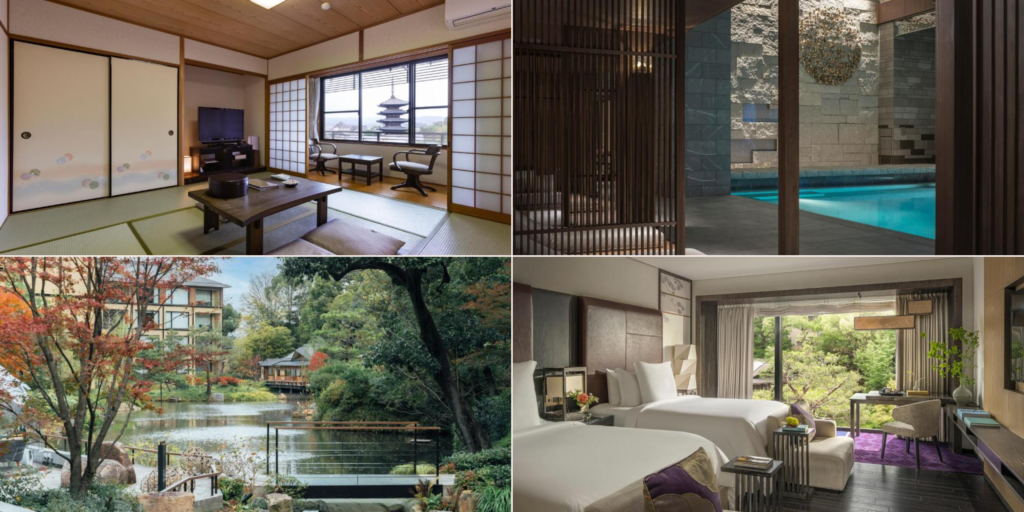
A traditional ryokan stay in the heart of Higashiyama, offering tatami rooms with views of Yasaka Pagoda and easy access to Kyoto’s most famous temples and streets. Guests can unwind in serene public baths and enjoy beautifully crafted seasonal kaiseki meals, all while experiencing the charm of Kyoto’s historic district.

High-Range: Park Hyatt Kyoto (⭐️⭐️⭐️⭐️⭐️)

A luxurious 5-star retreat offering spacious rooms, spa facilities, and European dining. Perfectly located near Higashiyama, Gion, and Kyoto’s iconic temples, it’s an elegant base for exploring the city.

High-Range: Four Seasons Hotel Kyoto (⭐️⭐️⭐️⭐️⭐️)

A serene luxury escape set beside a historic pond garden, offering elegant rooms with modern amenities and beautiful views. Guests can unwind in the spa, indoor pool, and wellness facilities, then enjoy refined dining crafted with Kyoto’s local ingredients. Perfectly placed near iconic temples, it’s an indulgent base for exploring the city.
Where to Stay in Kyoto Japan - Best Areas to Stay in kyoto Japan
Overview of the best places to stay in Southern Higashiyama, Kyoto (Source: Booking.com)

Kyoto Station Area – Best for Transport, Day Trips & Budget Travellers

Accommodation typeAccommodation Options
🛌 Best value optionVia Inn Prime Kyotoeki Hachijoguchi (⭐️⭐️⭐️)
🏨 Best mid-range hotelKyoto Century Hotel (⭐️⭐️⭐️⭐️)
💸 Best luxury hotelRichmond Hotel Premier Kyoto Ekimae (⭐️⭐️⭐️)

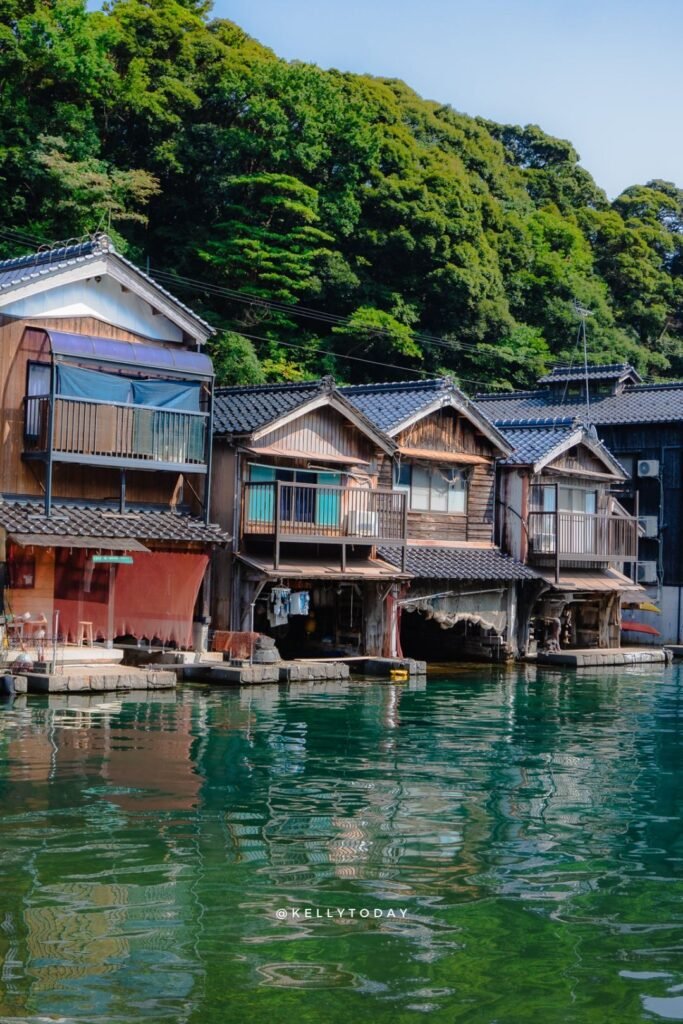
The Kyoto Station area is modern, efficient, and incredibly convenient — a perfect base if you have a busy itinerary or plan to take day trips to places like Nara, Osaka, or Ine. With direct access to Shinkansen lines, local trains, subways, and buses, plus an enormous selection of shops and restaurants within the station complex, everything you need is right at your doorstep.

Since most travellers arrive in Kyoto via shinkansen or the airport limousine bus, Kyoto Station naturally becomes a major hub — and that means plenty of hotels to choose from across every budget range in the area. It’s an especially practical option if you’re only staying in Kyoto for a night or using the city as a base for exploring the wider Kansai region.

Do keep in mind that many of Kyoto’s main sightseeing spots will require a bus or train ride from here. For travellers planning day trips to Osaka or Kobe, the Hankyu 1-Day Digital Pass is a handy option, offering unlimited travel on Hankyu Railway lines for a full day and making multi-city exploration simple and stress-free. But if seamless transport connections matter more to you than being in the heart of Kyoto’s traditional districts, the Kyoto Station area is a smart, comfortable, and stress-free choice.

Make the most of a day in Osaka with this complete one-day itinerary.

Mini Guide for Kyoto Station Area

📌 Best for: those who love convenience or planning frequent day trips.

💸 Cut travel costs with the Hankyu Tourist Pass and enjoy unlimited rides on the Hankyu Railway throughout Kyoto, Osaka, and Kobe.

✈️ Heading out from Osaka? Book the Kansai Airport Express Ticket for fast, hassle-free travel to Kansai Airport from Kyoto or the city centre.

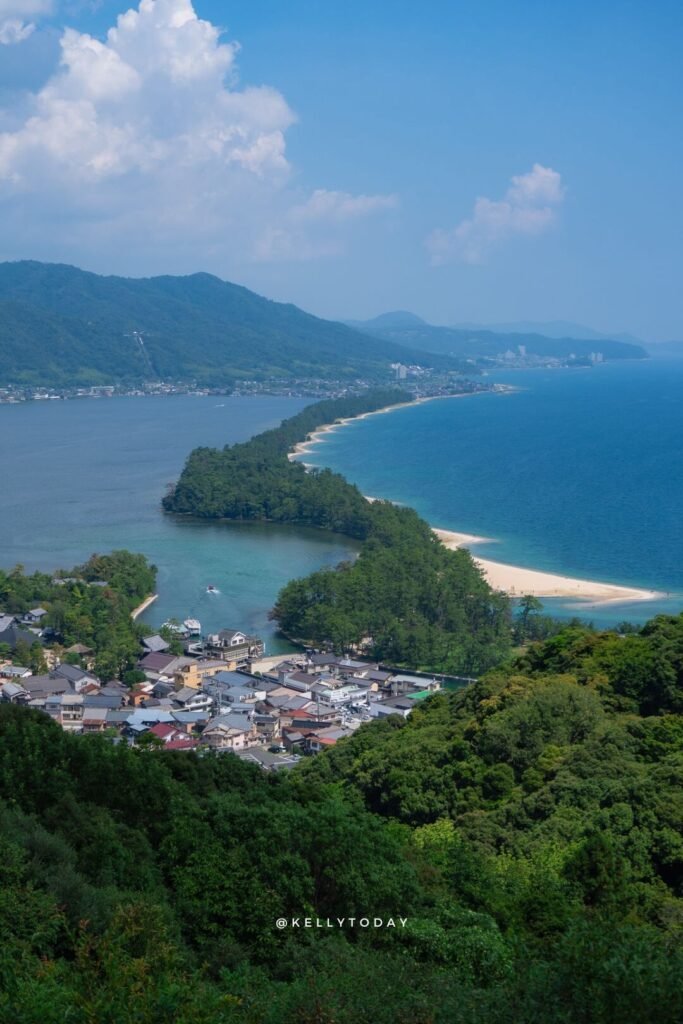
🗺️ Kyoto Station area is a popular base for day trips out of the city, including Amanohashidate, Ine, Kifune and Nara.

📍Top things to do near the Kyoto Station Area

  • Kyoto Tower – Enjoy panoramic views of the city from this modern landmark, located just outside Kyoto Station.
  • Porta Underground Mall – A convenient shopping spot right beneath Kyoto Station, with a variety of shops, cafés, and restaurants.
  • Higashi Hongan-ji Temple – One of Kyoto’s largest and most impressive temples, known for its striking wooden architecture and serene atmosphere.
Where to Stay in Kyoto Japan - Best Areas to Stay in kyoto Japan

Where to Stay in Kyoto Station Area

Budget: Via Inn Prime Kyotoeki Hachijoguchi (⭐️⭐️⭐️)

Comfortable, modern rooms feature air-conditioning, private bathrooms, and city views, with thoughtful amenities like free WiFi and a work desk. Guests can enjoy a buffet breakfast and easy access to Kyoto Station, with top attractions like Sanjusangen-do Temple and the Kyoto International Manga Museum just minutes away.

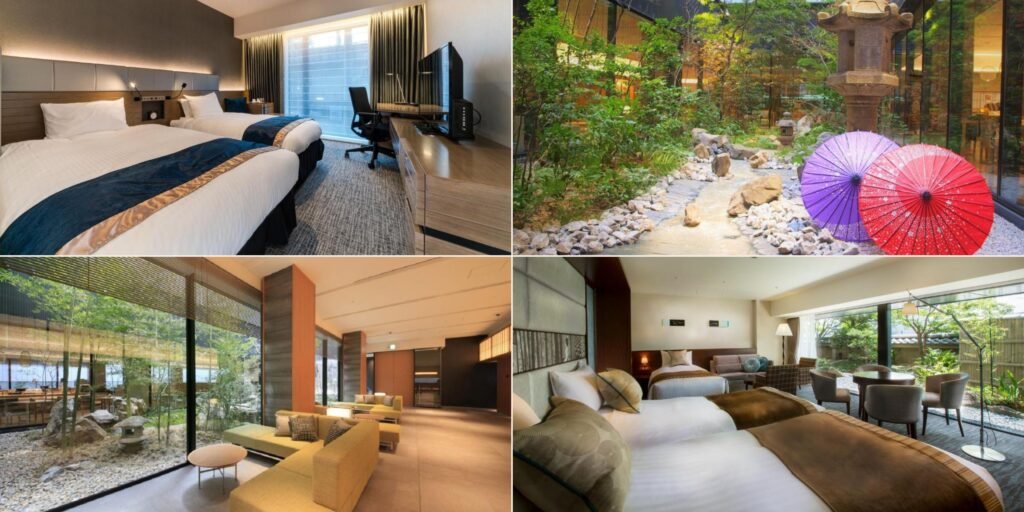
Mid-Range: Kyoto Century Hotel (⭐️⭐️⭐️⭐️)

Just a 2-minute walk from Kyoto Station, this hotel offers air-conditioned rooms with free WiFi, private bathrooms, and convenient in-room amenities. Guests can enjoy multiple dining options, massage services, and easy access to Kyoto’s top attractions, making it a practical and comfortable base for exploring Kyoto or day trips from the city.

Mid-Range: Daiwa Roynet Hotel Kyoto Terrace Hachijo Premier (⭐️⭐️⭐️⭐️)

Comfortable, modern rooms with private bathrooms, work desks, and free WiFi make for an easy stay. The hotel offers a restaurant, fitness centre, and 24-hour service, all just a short walk from Kyoto Station.

High-Range: Richmond Hotel Premier Kyoto Ekimae (⭐️⭐️⭐️)

Modern, comfortable rooms with air-conditioning, private bathrooms, and in-room amenities like a fridge and tea/coffee maker. Guests can enjoy a buffet breakfast and on-site dining, all just a 4-minute walk from Kyoto Station and close to major attractions like Kiyomizu-dera and Sanjusangen-do.

Bonus tip: You can earn cashback when booking through Booking.com if you use Shopback. Get $20 sign-up bonus using my referral.
Where to Stay in Kyoto Japan - Best Areas to Stay in kyoto Japan
Overview of the best places to stay in Kyoto Station Area, Kyoto (Source: Booking.com)

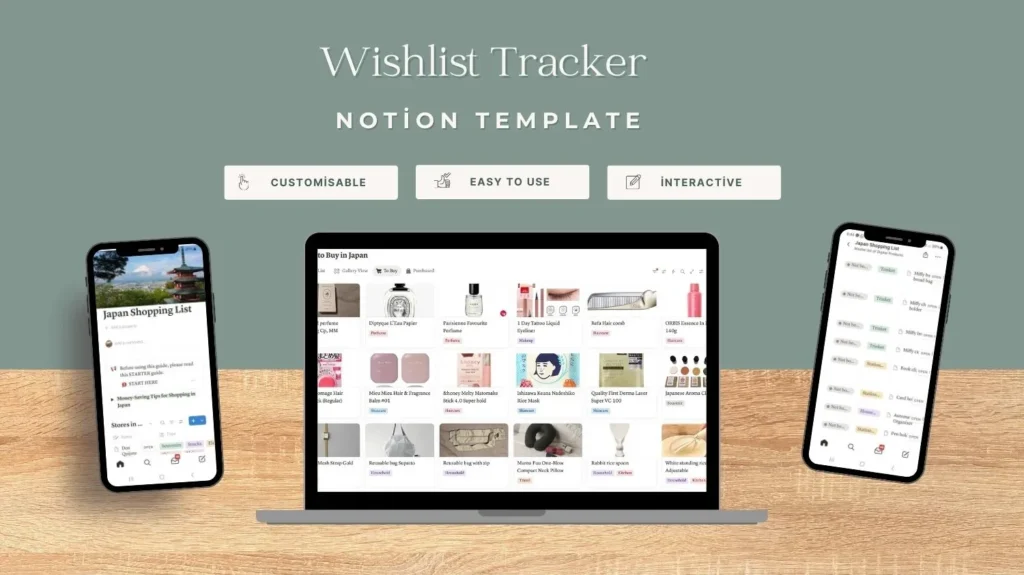
Feeling overwhelmed by what to buy in Japan? 🛍️

This Japan Shopping Wishlist template highlights must-know Japanese brands and my personal recommendations — perfect for planning your shopping and avoiding impulse buys! Download it to make your Japan shopping experience stress-free and more intentional.
download here
Where to Stay in Kyoto Japan - Best Areas to Stay in kyoto Japan

Central Kyoto – Best for Peaceful Stays, Families & Longer Trips

Accommodation typeAccommodation Options
📌 Best ryokan optionKyonoyado Gekkoan (⭐️⭐️⭐️⭐️)
🛌 Best value optionHotel Mystays Kyoto Shijo (⭐️⭐️⭐️)
🏨 Best mid-range hotelHotel Resol Kyoto Shijo Muromachi (⭐️⭐️⭐️)
💸 Best luxury hotelAce Hotel Kyoto (⭐️⭐️⭐️⭐️⭐️)

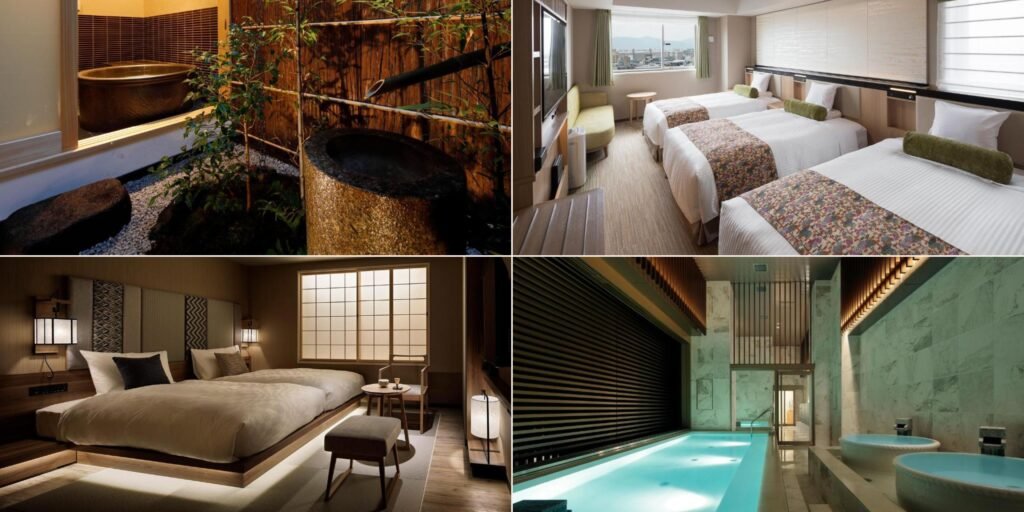
Central Kyoto offers a more relaxed, residential feel — ideal if you want a peaceful base while still being within easy reach of the city. The area around Karasuma, Nijo Castle, and the Imperial Palace features boutique hotels, ryokans, and wider streets that feel less crowded.

While it’s not the most popular choice for tourists, this has its advantages: rooms tend to be larger, and the overall pace is much more laid-back. The main attractions and restaurants aren’t within walking distance, so you’ll rely on buses or the subway to explore the city.

Despite being quieter, Central Kyoto is well connected to Kyoto Station and other areas, making it a practical choice for travellers who value comfort, space, and a slower pace over being in the thick of the crowds.

Mini Guide for Central Kyoto

📌 Best for: those who want a quieter, family-friendly base close to attractions.

📍Top things to do near central Kyoto

  • Kyoto Imperial Palace – Explore the former residence of Japan’s imperial family, surrounded by peaceful gardens and traditional architecture.
  • Nijo Castle – A historic UNESCO World Heritage site featuring beautiful gardens, ornate interiors, and the famous “nightingale floors.”
  • Nishiki Market – Just a short trip away, this vibrant market is perfect for sampling local delicacies and picking up unique souvenirs.
  • Kyoto Station – Easily accessible from Central Kyoto, this hub offers shopping, dining, and convenient transport connections to the rest of the city.

Where to Stay in Central Kyoto

Budget: Hotel Mystays Kyoto Shijo (⭐️⭐️⭐️)

Comfortable, bright rooms come with free WiFi, a fridge, a kettle, and handy extras like an air purifier. You can grab complimentary coffee or tea, enjoy on-site dining, and easily explore Kyoto from nearby Shijo Station, with Nijo Castle and other sights just minutes away.

Ryokan: Kyonoyado Gekkoan (⭐️⭐️⭐️⭐️)

Cosy villa-style rooms with air-conditioning, a mini-kitchen, and a private bathroom make it perfect for a relaxed, self-catered stay. Free WiFi, a balcony, and a great location put Kyoto’s top sights like Nijo Castle, the Imperial Palace, and Kyoto Aquarium just a short walk or drive away.

Mid-Range: Candeo Hotels Kyoto Karasuma Rokkaku (⭐️⭐️⭐️⭐️)

Spacious, modern rooms with air-conditioning and private bathrooms make for a comfortable stay. Guests can relax in the sauna, public bath, or bar, with free WiFi and convenient amenities throughout. Located in the city centre, it’s just a short walk from the Kyoto International Manga Museum and other top attractions.

Mid-Range: Hotel Resol Kyoto Shijo Muromachi (⭐️⭐️⭐️)

Spacious rooms with air-conditioning, tatami floors, private bathrooms, and free WiFi make for a relaxing stay. Guests can enjoy on-site dining, luggage storage, and easy access to Kyoto’s city centre, with top sights like Kyoto International Manga Museum just a short walk away.

High-Range: Ace Hotel Kyoto (⭐️⭐️⭐️⭐️⭐️)

A trendy boutique hotel that mixes modern style with Kyoto’s traditional charm, featuring comfy rooms, a courtyard garden, and tasty on-site dining. Right in the lively Kawaramachi area near Karasuma Oike Station, it’s easy to explore Gion, Nishiki Market, and the Kyoto Imperial Palace. Guests can enjoy coffee from Stumptown, free bikes, and cool art-filled spaces for a fun, memorable stay.
Where to Stay in Kyoto Japan - Best Areas to Stay in kyoto Japan
Overview of the best places to stay in Central Kyoto (Source: Booking.com)

Northern Higashiyama – Best for Nature Lovers, Walkers and Temple Hopping

Accommodation typeAccommodation Options
📌 Apartment optionGozan Hotel & Serviced Apartment (⭐️⭐️⭐️⭐️)
🛌 Best value optionHotel Legasta Kyoto Higashiyama (⭐️⭐️⭐️)
🏨 Best mid-range hotelKoko Hotel Kyoto Sanjo (⭐️⭐️⭐️⭐️)
💸 Best luxury hotelHotel MASTAY Jingumichi (⭐️⭐️⭐️⭐️⭐️)

Northern Higashiyama is a serene and quiet corner of Kyoto, perfect for travellers seeking calm mornings and picturesque surroundings. This area is home to some of the city’s most beautiful temples and scenic walking paths, making it ideal for slow-paced exploration and gentle strolls.

While it’s slightly removed from Downtown Kyoto and other main attractions, it’s easy to explore the city by bicycle or public transport. If you enjoy peaceful streets, stunning scenery, and a more relaxed atmosphere, Northern Higashiyama is a wonderful choice for a tranquil Kyoto experience.

Mini Guide for Northern Higashiyama

📌 Best for: those who want a more peaceful, nature-focused stay

📍Top things to do in and around Northern Higashiyama

  • Philosopher’s Path – A tranquil, tree-lined walkway along a canal, perfect for peaceful strolls and cherry blossom viewing in spring.
  • Nanzen-ji Temple – A historic temple known for its impressive gates, beautiful gardens, and serene atmosphere.
  • Honen-in Temple – A quiet, lesser-known temple tucked away in a forested area, offering a peaceful retreat from the crowds.
  • Kyoto Handicraft Centre – Discover traditional crafts, from pottery to textiles, and even try your hand at hands-on workshops.

Where to Stay in Northern Higashiyama

Apartment style: Gozan Hotel & Serviced Apartment (⭐️⭐️⭐️⭐️)

Modern machiya-style rooms with air-conditioning, private bathrooms, and kitchenettes make for a comfortable stay in Higashiyama. Just a short walk from Sanjo Station, Gion, and Samurai Kembu Kyoto, the hotel also offers free WiFi, a café and bar, and helpful 24-hour staff. It’s a convenient base for exploring Kyoto’s top sights like Kiyomizu-dera, Heian Shrine, and Nijo Castle.

Mid-range: Koko Hotel Kyoto Sanjo (⭐️⭐️⭐️⭐️)

Spacious, air-conditioned rooms with private bathrooms, free WiFi, and handy amenities like a hot tub and work desk make for a comfortable stay. Just a 3-minute walk from Sanjo Keihan Station, it’s close to Gion, Pontocho, and Kawaramachi, putting Kyoto’s top sights, shopping, and dining right at your doorstep.

Mid-Range: Hotel Legasta Kyoto Higashiyama (⭐️⭐️⭐️)

Cosy, air-conditioned rooms with private bathrooms, free WiFi, and handy extras like a desk and kettle make it a comfy spot to stay. Just a short walk from Samurai Kembu Kyoto, Shoren-in Temple, and Heian Shrine, it’s super convenient for exploring. The hotel mixes traditional and modern vibes, with nice city and courtyard views to enjoy Kyoto’s seasonal charm.

High-Range: Hotel MASTAY Jingumichi (⭐️⭐️⭐️⭐️⭐️)

Modern, air-conditioned rooms with private bathrooms, kitchenettes, and free WiFi make for a comfortable stay. Located in Higashiyama, it’s just a short walk from Shoren-in Temple, Samurai Kembu Kyoto, and Heian Shrine, with convenient on-site parking and 24-hour front desk service.
Where to Stay in Kyoto Japan - Best Areas to Stay in kyoto Japan
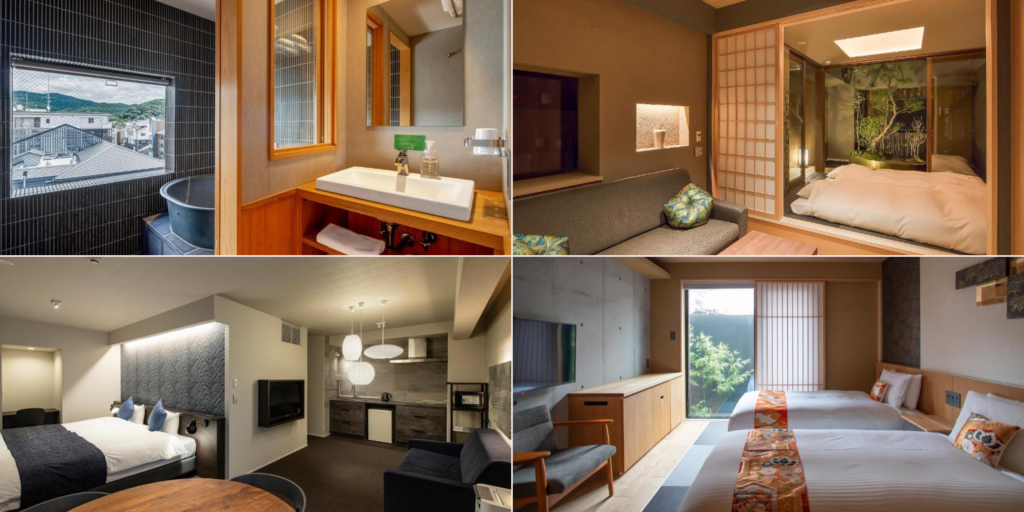
Overview of the best places to stay in Northern Higashiyama, Kyoto (Source: Booking.com)

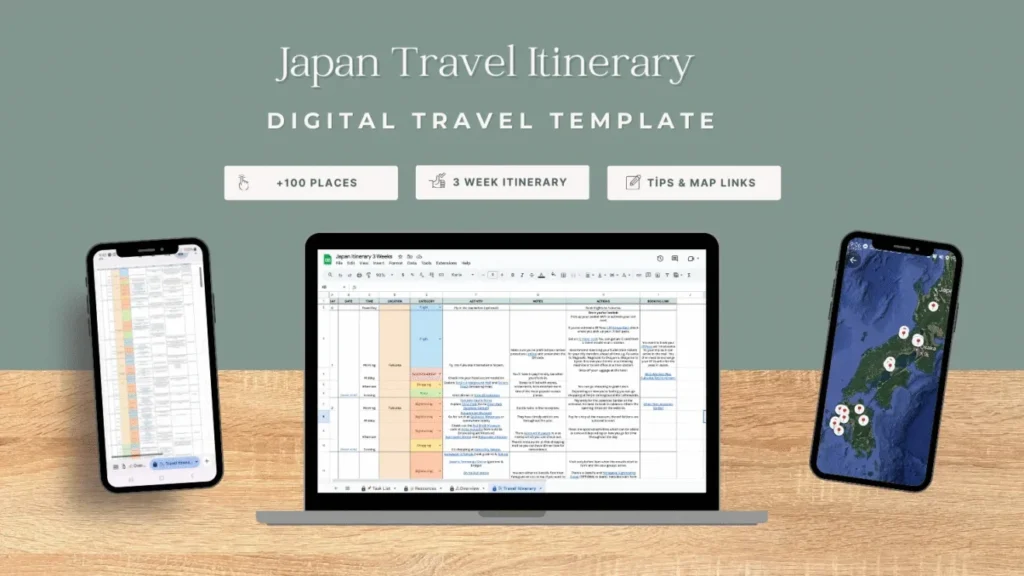
📌 Save time planning your Japan Trip! ✈️

Make the most of your trip and cut hours of planning with my 3-Week Japan Travel Itinerary + Map Guide. Everything’s organised for you—must-see spots, hidden gems, and smooth routes—so you can just download, follow along, and enjoy Japan stress-free.
Where to Stay in Kyoto Japan - Best Areas to Stay in kyoto Japan

Arashiyama -Best for scenic escapes, nature retreats and relaxation

Accommodation typeAccommodation Options
📌 Holiday home option谷町君 星屋 晴博 京都嵐山
🛌 Best value option Mulan Hostel (⭐️⭐️)
🏨 Best mid-range hotelThe GrandWest Arashiyama (⭐️⭐️⭐️⭐️)
💸 Best luxury hotelMuni Kyoto (⭐️⭐️⭐️⭐️⭐️)

Arashiyama is a serene riverside district framed by lush hills, bamboo groves, and centuries-old temples — the kind of place that feels like Kyoto at its most tranquil. Although it sits farther from the city centre, it’s ideal for travellers who enjoy slower-paced itineraries or want a resort-style retreat surrounded by nature.

Most first-time visitors include Arashiyama in their Kyoto itinerary for its iconic sights: the Arashiyama Bamboo Grove, the Sagano Romantic Train, and the Iwatayama Monkey Park. But while it’s an unforgettable place to explore, it’s not the most practical base if you plan to visit many attractions across Kyoto. Travel times to other areas can be long, and buses in this area often get crowded.

If you’re craving a quieter stay with beautiful scenery right outside your door, Arashiyama is a wonderful choice — just be prepared to trade some convenience for peaceful surroundings (and expect plenty of daytime visitors).

Mini Guide for Arashiyama

📌 Best for: those who love nature, mountain views, and a slower pace

🗺️ Experience Hougawa River Rafting in Arashiyama – A scenic adventure that adds a splash of excitement to your Kyoto itinerary.

👘Rent a traditional kimono or yukata and wander through this picturesque district.

🎋 Soak in the sights of Arashiyama Bamboo Grove from a rickshaw, guided by a knowledgeable local.

📍Top things to do in Arashiyama

  • Arashiyama Bamboo Grove – Wander through this iconic, towering bamboo forest. Be warned, you’ll want to visit early (7 am) or later in the day to avoid crowds.
  • Togetsukyo Bridge – A picturesque bridge offering stunning views of the Katsura River and surrounding mountains, especially beautiful during cherry blossom season and autumn.
  • Tenryu-ji Temple – A UNESCO World Heritage Zen temple with serene gardens and traditional architecture, perfect for quiet reflection.
  • Iwatayama Monkey Park – Hike up to meet wild macaques and enjoy panoramic views of Kyoto from the hilltop.
  • Sagano Scenic Train – Take a leisurely ride through the scenic Hozugawa River valley, especially popular in autumn.
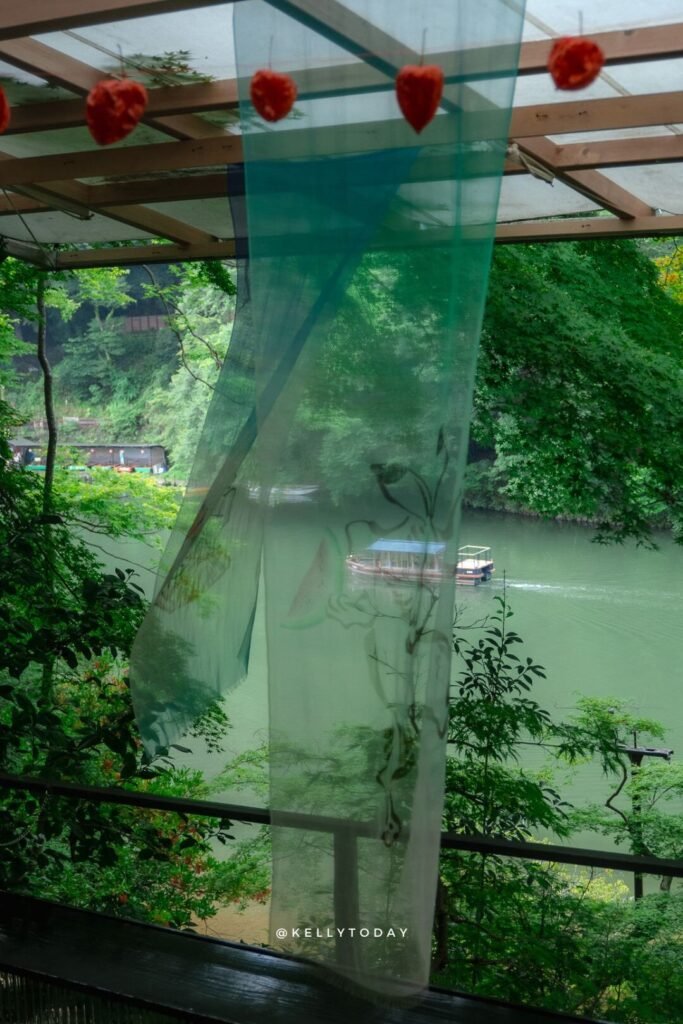
Where to Stay in Kyoto Japan - Best Areas to Stay in kyoto Japan

Where to Stay in Arashiyama

Budget: Mulan Hostel (⭐️⭐️)

Perfect for budget travellers, Mulan Hostel offers simple, cozy rooms with free WiFi just a 2-minute walk from Arashiyama Station. Guests can hang out in the shared lounge, enjoy nearby cafes and restaurants, and easily explore Togetsukyo Bridge, Tenryu-ji, and the Arashiyama Bamboo Forest.

Mid-Range: The GrandWest Arashiyama (⭐️⭐️⭐️⭐️)

Spacious, modern rooms with traditional Japanese touches make The GrandWest Arashiyama a cosy base for exploring the scenic Arashiyama area. Just a 5-minute walk from Hankyu Arashiyama Station and close to Togetsu-kyo Bridge and Tenryu-ji Temple, it’s perfect for sightseeing or a peaceful getaway. Guests can enjoy comfy beds, a full bath, kitchenettes in some rooms, and complimentary coffee, tea, and water in the lobby.

Holiday home option: 谷町君 星屋 晴博 京都嵐山

This cosy holiday home in Kyoto offers two bedrooms, a living room, and a garden, making it perfect for a comfortable stay. With air-conditioning, a fully equipped kitchen, a hot tub, and free WiFi, you have everything you need to relax. Just a 16-minute walk from Arashiyama Bamboo Grove, it’s also close to Otagi Nenbutsu-ji Temple and Katsura Imperial Villa.

High-Range: Muni Kyoto (⭐️⭐️⭐️⭐️⭐️)

Stylish and modern, Muni Kyoto offers a luxurious stay with air-conditioned rooms, private bathrooms, and all the comforts you need. Guests can enjoy French dining, a fitness centre, garden terrace, and cosy coffee spot, all just a short distance from Arashiyama Bamboo Grove, Kinkaku-ji, and other top Kyoto sights. Perfect for a relaxing, upscale getaway surrounded by nature and culture.
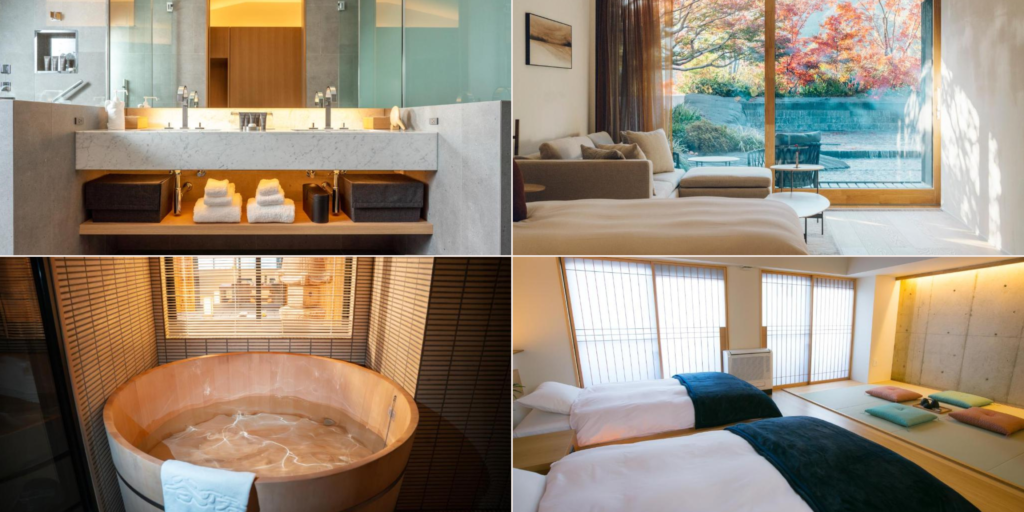
Where to Stay in Kyoto Japan - Best Areas to Stay in kyoto Japan
Overview of the best places to stay in Arashiyama, Kyoto (Source: Booking.com)

FAQs about Where to Stay in Kyoto

Where is the best place to stay in Kyoto?

It depends on your personal preference. Downtown Kyoto is the most convenient for first-timers. You’ll have easy access to restaurants, shopping streets, and transport to major attractions. If you’re short on time and are only staying in Kyoto for a few days, it might be wise to stay in the Kyoto Station area for convenience and day trips.

Where should I stay in Kyoto for the most traditional experience?

Southern Higashiyama offers the most atmospheric and historic setting, with traditional machiya houses and famous temples nearby.

Is Kyoto a walkable city?

Yes, especially downtown and Gion, which are very walkable with charming streets, shops, and temples, easy to explore on foot. However, for areas a bit farther out, like Arashiyama or Northern Higashiyama, you will want to rely on buses or the subway.

📌 Helpful Passes: Consider getting a Kyoto City Bus & Subway One-Day Pass or the Kyoto Sightseeing Pass. These make it easy and cost-effective to hop around the city without worrying about individual fares. They are especially useful if you plan to visit multiple temples or districts in a single day.

How many days do I need in Kyoto?

For a first-time visit, 3 to 4 days is ideal. This gives you enough time to explore downtown, Gion, Arashiyama, and a few temples in Northern Higashiyama without feeling rushed. If you want to use Kyoto as a base for day trips, which I highly recommend, consider adding a few extra days. You can include places like Nara, Uji, Amanohashidate, or Osaka as day trips from Kyoto.

Where to stay in Kyoto for the first time?

Downtown Kyoto or Gion are the best areas for first-time visitors. You’ll be close to restaurants, shops, and major attractions, and it’s very walkable. If you plan to do day trips, staying near Kyoto Station is also beneficial for easier transport connections.

Where to stay in Kyoto with family?

Consider staying near Kyoto Station or downtown Kyoto. These locations are convenient for public transport, have family-friendly accommodations, and provide easy access to attractions, temples, and scenic spots.

Should I stay in Kyoto or Osaka?

It depends on your preference. If you want a more traditional Japanese experience, I recommend staying in Kyoto. Kyoto is also a great base for exploring the region and taking day trips. You can easily visit Osaka as a day trip from Kyoto.

Other Resources You Might Find Helpful

  • 20 Helpful Things To Know Before Travelling to Japan
  • Apps You Need to Download For Your Trip to Japan
  • 20 Best Things to Buy in Japan That’re Worth Your Money
  • 3 Week Japan Travel Itinerary for Visitors
  • Ultimate Travel Notion Travel Template
  • Ungatekeeping things I Did on My Japan Summer Trip

Travel Planning Resources

Flights: WayAway, Skyscanner, and Kayak are the best sites to find cheap flights and great deals. Depending on your personal preferences, you should also check your preferred airlines’ websites for comparison to find the best deals from your home country.

Currency: In Japan, the currency used is Japanese Yen (JPY) and I recommend withdrawing cash before you arrive in Japan. Cash becomes handy when using it at local stores, ticket machines, and older restaurants.

Power Adaptors: I always recommend buying a universal adaptor so you can use it in any country (great for future travels), and it offers extra ports for USB cables to charge your devices.

Accommodation 🛌: I book all my accommodation in Japan through Booking.com. They have a wide selection of accommodations worldwide, with flexible booking options and great deals. If you join their Genius Loyalty program, you can also get discounts on selected stays.

Attractions & Tours 🌟 Klook and GetYourGuide are my preferred platforms for local tours and activities in Europe. They make it easy to compare tours, book experiences and the best deals. You can also download their mobile app, where you can easily access your bookings on the go.

Easy Car Rental 🚗 Get hassle-free car rentals on DiscoverCars with a wide selection, competitive prices, and great customer service. Often it’s cheaper than booking direct, and you can compare a large range of suppliers to check if you’re getting the best price.

Stay Connected 📶 wherever you go by easily and affordably purchasing an eSim for all your travels. Thanks to Airalo, you’ll get instant access to data, and you don’t need to physically swap a plastic SIM card every time you’re travelling to a new country.

Travel Insurance 🛡️ I use World Nomads for overseas travel insurance. Travel with peace of mind knowing you’ll be covered for unexpected events and plan a worry-free journey.

Camera Gear 📸: If you’re curious about the camera gear I’ve used for my photos, find out what’s in my camera bag here.

Found this helpful? 👇🏼

Support my work by buying me a coffee so I can produce more free content for you.


📌 Click on this pin to save ‘Where to Stay in Kyoto‘ for later.
where to stay in Kyoto - best areas to stay in Kyoto

Posted By: kellytoday · In: Japan, Travel

15 Best Cafes in Seoul You Should Visit
Best Places to Stay in Perth That Are Worth Your Time & Money (2026)

You’ll Also Love

15 Best Day trips from Seoul in South Korea.15 Best Day Trips from Seoul & How To Get There
Helpful Things to Know When Travelling to Japan20 Helpful Things to Know When Travelling to Japan
10 Best Day Trips from Fukuoka Japan10 Day Trips from Fukuoka That’s Worth Your Time

Leave a Reply Cancel reply

You must be logged in to post a comment.

Hi, I'm Kelly! I'm an Asian Australian content creator from Western Australia. I inspire others to get outside and explore the world. Join my adventures and discover my best travel & photography tips!

Map Travel Guide

Map Travel Guide

Join the community!

Subscribe to access the latest travel tips, discount codes & updates about group trips & product releases!

Follow me on IG @kellytoday

What happens when you ignore popular advice in you What happens when you ignore popular advice in your twenties? 👉🏻

I’ve also included some helpful resources that have helped me with financial literacy and upskilling throughout my twenties. 🙇🏻‍♀️📚

💌 If you enjoyed this post, I have a weekly newsletter sharing more tips and advice about financial literacy and navigating your twenties. You can sign up using the link in my bio.

#twenties #europe #livingabroad 

It’s more common than you think to end up in a career unrelated to what you studied at university.

Work experience is just as important, if not more important, when applying for opportunities. 

Take advantage of free and paid resources online to upskill and learn about different topics. 

If I could redo my twenties, I’d prioritise learning more about financial literacy, especially investing. Here are a few videos that I've found are helpful. 

Even while working full-time, I’ve always tried to make time for travel instead of waiting until I’m older. As a general rule, any money I earn outside of my full-time job either goes towards investing or my travel fund.

The reality is that social media has made it easier than ever to monetise your content.

I started my account in 2022, and it’s taken time to grow my platforms and develop the skills I now use to secure paid collaborations.

In the current climate, it’s becoming more common to have multiple income streams, whether that’s working multiple jobs or developing a side hustle.

Building additional income streams can give you more flexibility and reduce your reliance on a single source of income, such as a full-time job.

💸 If you want advice on developing passive income streams, I’ve written an article on my Substack sharing my own income streams and tips for getting started. 💸

The reality is that your twenties are your first decade as an adult.

It’s completely normal not to know exactly what you want to do or where you want life to take you.

Stay curious. Try different things. Learn along the way.

If you’re looking to start investing, here are some beginner-friendly books to check out. 📚

I use @pearlerhq to invest in ETFs and stocks.

I like that you can automate your investments throug
Which one surprised you the most? 👀 4 things I qu Which one surprised you the most? 👀

4 things I quietly stopped doing this year to save money — and what I do instead.

Most of these came from adopting more of an underconsumption mindset this year. If you found this helpful, a low-buy (or no-buy) approach might be worth trying too.

What’s something you’ve stopped buying this year? Tell me below 👇

#habits #underconsumption #europe 

Instead of buying books, I borrow free books and audiobooks through the @libby.app. Libby automatically syncs to my Kobo Clara eReader from @kobobooks and @kobobooks_au. 📚

I usually read about 2 to 7 books each month, so this is helping me cut costs for this hobby.

🛍️ Cutting out impulse purchases because an item is on sale can save you money. It’s been helpful in reducing these purchases by using a wishlist on @notionhq. I’ve linked my template in my bio if you want to use it. 

🙅🏻‍♀️ Take it a step further by waiting at least 7 to 30 days before buying an item. Usually, this time lets you either forget about the purchase or realise you don’t really need it. 

📖 Both apps don’t require any fees to use. But it’s saved me money in the sense that I’ve been able to monetise my Notion reading template as a digital product. I’ve linked my reading Notion tracker in my bio. 

☕️ Instead of buying a takeaway coffee or tea every time I’m at the office. I would’ve saved about $520 each year. Instead, I’d rather use this for a cheaper option to make a drink at home and bring it into the office and then use the difference for investing. 

I’ve been using @pearler to automate my monthly investments.

💵 Best advice for those who want to start investing is that you can never really time the market. Dollar cost averaging is the investing strategy I’m doing in my twenties. 

The graph is sourced from TabTrader.

Compound interest is your best friend over time. 

For example, a $500/month investment strategy over 30 years ($180,000 total contributions) could have grown an initial $1,000 investment to $823,114 based on historical market performance. 

This graph shows how consistent investing, combined with time in the market, can make a difference.

Source: Vanguard. Based on the S&P/ASX
📝 Part 10 of the media I consumed this week that s 📝 Part 10 of the media I consumed this week that sparked my curiosity 🙇🏻‍♀️

Here’s some media to help you be more intentional with your time — swap the doomscrolling for thoughtful articles that actually stay with you. 🌱

A roundup of what’s worth consuming when you want to learn something new and give your brain a little spark. ✨📚

💌 If this resonates, I share weekly recommendations (books, films, articles, podcasts + more) in my newsletter. You can sign up through the link in my bio.

💭 You can sign up for my newsletter to receive the full list of media featured here.

📝 Comment 'list' and I'll send you all the links for the media in this carousel.

#reading #whattoread #habits
Can you guess which places made the list? 🇯🇵✨ Aft Can you guess which places made the list? 🇯🇵✨

After 4 trips to Japan, these are some of my favourite places I’ve visited — and the ones I’d happily return to again and again.

💭 Have you been to any of these spots?

📷 Photos edited using my Fujifilm Lightroom presets (linked in my bio)

#japan #asia #asiatravel #travelphotography #bucketlist @lightroom @visitjapanau @visitjapanjp 

Located in southern Fukuoka Prefecture, Yanagawa is often called the “Venice of Kyushu” thanks to its charming network of waterways.

Once a historic castle town, this scenic destination is known for its rich history and traditional boat rides along the narrow canals. Hop on a small donko-bune boat and enjoy a slower-paced side of Japan.

If you visit, don’t leave without trying eel (unagi) — Yanagawa’s signature dish and a must-try for food lovers.

@welcomekyushu @kyushu_tourism_information

A classic for a reason — Kyoto is one of those places that most first-time visitors add to their Japan itinerary, and it’s completely worth the hype.

After visiting Japan 4 times, I still find myself discovering new places to explore in Kyoto, and each season brings a completely different experience.

Once the capital of Japan, Kyoto is filled with endless things to see and do — from historic temples and traditional neighbourhoods to incredible food spots and beautiful landscapes.

@visit_kyoto

I wish I had spent even more time in this city!

As the capital of Fukuoka Prefecture, Fukuoka is known for its incredible food scene, ancient temples, vibrant neighbourhoods, and beautiful coastal scenery.

I spent around a week exploring the city, but it’s also the perfect base for day trips around the prefecture and wider Kyushu region.

@visitfukuoka 

Add this UNESCO World Heritage Site to your Japan itinerary!

Shirakawa-go is one of those places that feels like stepping into a storybook, with its traditional thatched-roof houses and beautiful mountain scenery.

I visited during summer, but I’d love to return in another season — especially to see the village covered in snow during winter.

The easiest way to reach Shirakawa-go is by bus from Takayama.

From Nagoya or Gifu, take the JR
🙇🏻‍♀️ I spent my twenties doing things a little di 🙇🏻‍♀️ I spent my twenties doing things a little differently. Here’s what happened. 👉🏻

Here are some unconventional things I’ve done in my twenties that have paid off and are also helping me set myself up for the future. 

Some decisions looked risky at the time… but ended up creating opportunities I never expected. 

#twenties #livingabroad #europe 

This wasn’t the easiest decision, but when COVID hit and I lost a family member, I realised how short life can be.

I decided to take time away from university and explore a different path. I ended up finding a job overseas that allowed me to work while travelling in my free time.

I completed my TEFL qualification to help me secure a job in South Korea. I’ve shared my free guide to landing a job in Korea on my website. 

📌 If you are interested, teaching English is one of the more accessible pathways for foreigners looking to work in Korea.

I started this account in 2022, and it has grown across multiple social platforms, reaching around 80K followers.

It’s been a slow process of staying consistent, learning along the way, and constantly pushing myself outside my comfort zone.

I honestly believe experience is becoming just as important, if not more important, when applying for new opportunities.

I don’t have a formal degree in marketing or social media, but I was able to use my portfolio and experience as a content creator to land a full-time role in digital marketing — something I’m incredibly grateful for.

Since the pandemic, I think many of us have realised how quickly industries can change and how much budgets can impact jobs and resources.

It reminded me of the importance of building income streams outside of your main salary. The extra income has also helped me reach my financial goals faster and gives me more flexibility in the future.

I regularly take free courses, but when I find a course that provides genuine value, I’m happy to invest in it. For example, I completed a beginner investing course that helped me feel more confident investing in stocks and ETFs.

Here are a few free resources you can explore in your own time.

There are also two posts on my profile recommending lists of FREE re
Part 2 is here because there are far too many incr Part 2 is here because there are far too many incredible free resources to fit into one post. 📚✨

One of the biggest things I've learnt is that reading doesn't have to mean sitting down with a 400-page book every night. Learning can happen through essays, newsletters, library apps, audiobooks, public domain classics, and thoughtfully curated recommendations. It all counts.

The easier you make it to discover something interesting, the more likely you are to stay curious. Sometimes the difference between reading more and reading less isn't motivation—it's simply having the right resources waiting for you.

These are a few more free tools and platforms that have helped me find books, learn new things, and spend less time endlessly scrolling for something worthwhile.

Save this post for the next time you're looking for something new to read, learn, or explore.

#reading #habits 

The @literaryhub publishes thoughtful essays, author interviews, book recommendations, and literary conversations that make reading feel even richer. 

Interesting articles I've read from @literaryhub. 

🔍 Etymonline

Ever wondered where a word actually came from? Type in any English word and discover its origins, history, and how its meaning has changed over time.

🎓 MIT OpenCourseWare

Access free course materials from one of the world's leading universities. Explore thousands of MIT classes with lecture notes, assignments, and learning resources across countless subjects.

📰 SmartNews

A simple way to stay informed. Follow the topics you care about, customise your feed, and read headlines from a range of trusted news publishers all in one place.

🌍 Radio Garden 

Travel the world without leaving your room. Spin the globe and tune into live radio stations from thousands of cities to discover new music, languages, and cultures.

📖 Project Gutenberg

A treasure trove of free books. Browse over 75,000 classic eBooks, download them to your Kindle or phone, or read them online whenever you like.

Track all your reading stats on @the.storygraph 📚

📝 Word of the Day

Build your vocabulary without feeling like you're studying. Learn one new word each day with definitions, examples, and q
The things I never expected to be grateful for aft The things I never expected to be grateful for after moving to South Korea. 👉🏻

This carousel is a little reminder that sometimes the biggest gifts from a chapter of your life aren’t the ones you were looking for—they’re the ones you never saw coming.

These are just a few reflections from my time living abroad in Korea. What I didn’t expect were the things you can’t really plan for.

The quiet moments that slowly change you. The lessons you only learn by living somewhere unfamiliar. The parts of yourself you don’t discover until you’re far away from everything you’ve ever known.

If you’ve ever moved abroad, travelled solo, or taken a leap that scared you, I’d love to know:

💭 What’s something you’re grateful you gained that you never expected?

📌 If you’re thinking about working in Korea, I’ve got a free guide on my website about how I got my job in South Korea for your reference. 

#livingabroad #southkorea #seoul 

Prior to the move, I had quit university and was job searching for positions in South Korea.

I was pretty lucky to connect with some genuine people overseas. I've heard from others and online that making friends in Korea can be difficult. 

Before I left some of my coworkers gave me going away presents which I wasn't expecting at all. 

One of my coworkers even handwrote a heartfelt message on the gift.

Most of the time I'd spend my weekends exploring a different region or city. 

Random viewpoint I found when I did a weekend trip in Jeonju.

One of unexpected perks of my job was being invited to work excursions which meant I got to see some new places around Korea. 

Hard to pick a favourite season in Korea. It's probably a tie between autumn or spring. 

Before I moved I took online Korean lessons but the language barrier was still a bit of a shock. 

One of my favourite things to do alone was exploring either my local area or cafe hopping. 

Even everyday tasks were a bit more challenging with the language barrier. 

There's definitely a learning curve once you move to a new place. Just remember to be patient with yourself while you're adjusting.

A friend took this photo after we got dropped off at a hotel.  I promise you those are not
🙇🏻‍♀️ Part 14 of media to read in your twenties ✨ 🙇🏻‍♀️ Part 14 of media to read in your twenties ✨
Here’s your next round of long-form reads for navigating your twenties.

💌 Enjoyed this post? I share weekly media recommendations (books, films, articles, podcasts & more) in my newsletter—link in bio if you’d like to join.

💡 Want even more? Check out my full “media to consume instead of doom-scrolling” series on my profile.

💭 Want the links for these articles? Sign up for my newsletter for the full list of articles + essays featured here.

#twenties #whattoread #articles
Swipe for a peek through my camera roll in Switzer Swipe for a peek through my camera roll in Switzerland 📸✨

I finally gave this “what you see vs what I took” trend a go, which gave me an excuse to dig into my Europe travel archives to match real-life moments with the photos and videos I came home with.

It’s always interesting comparing the scene in front of me with the final image — sometimes the difference comes down to a small change in perspective, framing, or zoom.

A few tips for getting similar shots:

📷 I usually shoot on either my @Sony camera or @Samsung phone. When I'm using my camera, having a zoom lens makes a huge difference for capturing details, architecture, and subjects that are further away.

✨ My go-to travel lens is the @tamronaus 17–70mm. It’s incredibly versatile and lets me switch between landscapes, portraits, street scenes, and architecture without constantly changing lenses.

🔍 Don't be afraid to use zoom. Whether you're shooting on a camera or your phone, some scenes look much stronger when you zoom in slightly (2x–4x) to simplify the composition and draw attention to your subject.

📸 Photos were edited in Lightroom using my presets (linked in my bio)

#europe #switzerland #travelphotography #bucketlist @lightroom

One of the most popular views you'll see of Lauterbrunnen online. You'll want to visit early in the morning to avoid the crowds. 🤭

This street was once awarded the "most beautiful street" in Europe.

Views after the ride up to the toboggan ride in Grindelwald. This was taken around midday so the lighting was a bit harsh.

Iconic shot of the locals of Switzerland. 🐄🐮

Found this viewpoint with now crowds in Grindelwald. Best spot for a sunrise or sunset.

This was taken near the toboggan ride in Grindelwald.

One of my favourite viewpoints in Wengen.

Found this helpful? 👀 

I've got guides on my profile to help you with:

📷 Editing your photos on your phone

🗺 Planning a trip to Switzerland or you can comment "GUIDE" and i'll send you my 1 week travel itinerary.

Travel More

Explore Categories

  • Free Resources
  • Blog
  • Travel
  • Travel Tips & Guides
  • Photography
  • Working Abroad

Support my work

Recent Posts

  • 15 Best Day Trips from Seoul & How To Get There
  • 20 Helpful Things to Know When Travelling to Japan
  • 10 Day Trips from Fukuoka That’s Worth Your Time
  • 13 Best Christmas Romance Books You’ll Want to Read in One Sitting
  • 16 Romance Books About Second Chances You’ll Wish You Read Sooner

travel more

300*250
What happens when you ignore popular advice in you What happens when you ignore popular advice in your twenties? 👉🏻

I’ve also included some helpful resources that have helped me with financial literacy and upskilling throughout my twenties. 🙇🏻‍♀️📚

💌 If you enjoyed this post, I have a weekly newsletter sharing more tips and advice about financial literacy and navigating your twenties. You can sign up using the link in my bio.

#twenties #europe #livingabroad 

It’s more common than you think to end up in a career unrelated to what you studied at university.

Work experience is just as important, if not more important, when applying for opportunities. 

Take advantage of free and paid resources online to upskill and learn about different topics. 

If I could redo my twenties, I’d prioritise learning more about financial literacy, especially investing. Here are a few videos that I've found are helpful. 

Even while working full-time, I’ve always tried to make time for travel instead of waiting until I’m older. As a general rule, any money I earn outside of my full-time job either goes towards investing or my travel fund.

The reality is that social media has made it easier than ever to monetise your content.

I started my account in 2022, and it’s taken time to grow my platforms and develop the skills I now use to secure paid collaborations.

In the current climate, it’s becoming more common to have multiple income streams, whether that’s working multiple jobs or developing a side hustle.

Building additional income streams can give you more flexibility and reduce your reliance on a single source of income, such as a full-time job.

💸 If you want advice on developing passive income streams, I’ve written an article on my Substack sharing my own income streams and tips for getting started. 💸

The reality is that your twenties are your first decade as an adult.

It’s completely normal not to know exactly what you want to do or where you want life to take you.

Stay curious. Try different things. Learn along the way.

If you’re looking to start investing, here are some beginner-friendly books to check out. 📚

I use @pearlerhq to invest in ETFs and stocks.

I like that you can automate your investments throug
Which one surprised you the most? 👀 4 things I qu Which one surprised you the most? 👀

4 things I quietly stopped doing this year to save money — and what I do instead.

Most of these came from adopting more of an underconsumption mindset this year. If you found this helpful, a low-buy (or no-buy) approach might be worth trying too.

What’s something you’ve stopped buying this year? Tell me below 👇

#habits #underconsumption #europe 

Instead of buying books, I borrow free books and audiobooks through the @libby.app. Libby automatically syncs to my Kobo Clara eReader from @kobobooks and @kobobooks_au. 📚

I usually read about 2 to 7 books each month, so this is helping me cut costs for this hobby.

🛍️ Cutting out impulse purchases because an item is on sale can save you money. It’s been helpful in reducing these purchases by using a wishlist on @notionhq. I’ve linked my template in my bio if you want to use it. 

🙅🏻‍♀️ Take it a step further by waiting at least 7 to 30 days before buying an item. Usually, this time lets you either forget about the purchase or realise you don’t really need it. 

📖 Both apps don’t require any fees to use. But it’s saved me money in the sense that I’ve been able to monetise my Notion reading template as a digital product. I’ve linked my reading Notion tracker in my bio. 

☕️ Instead of buying a takeaway coffee or tea every time I’m at the office. I would’ve saved about $520 each year. Instead, I’d rather use this for a cheaper option to make a drink at home and bring it into the office and then use the difference for investing. 

I’ve been using @pearler to automate my monthly investments.

💵 Best advice for those who want to start investing is that you can never really time the market. Dollar cost averaging is the investing strategy I’m doing in my twenties. 

The graph is sourced from TabTrader.

Compound interest is your best friend over time. 

For example, a $500/month investment strategy over 30 years ($180,000 total contributions) could have grown an initial $1,000 investment to $823,114 based on historical market performance. 

This graph shows how consistent investing, combined with time in the market, can make a difference.

Source: Vanguard. Based on the S&P/ASX
📝 Part 10 of the media I consumed this week that s 📝 Part 10 of the media I consumed this week that sparked my curiosity 🙇🏻‍♀️

Here’s some media to help you be more intentional with your time — swap the doomscrolling for thoughtful articles that actually stay with you. 🌱

A roundup of what’s worth consuming when you want to learn something new and give your brain a little spark. ✨📚

💌 If this resonates, I share weekly recommendations (books, films, articles, podcasts + more) in my newsletter. You can sign up through the link in my bio.

💭 You can sign up for my newsletter to receive the full list of media featured here.

📝 Comment 'list' and I'll send you all the links for the media in this carousel.

#reading #whattoread #habits
Can you guess which places made the list? 🇯🇵✨ Aft Can you guess which places made the list? 🇯🇵✨

After 4 trips to Japan, these are some of my favourite places I’ve visited — and the ones I’d happily return to again and again.

💭 Have you been to any of these spots?

📷 Photos edited using my Fujifilm Lightroom presets (linked in my bio)

#japan #asia #asiatravel #travelphotography #bucketlist @lightroom @visitjapanau @visitjapanjp 

Located in southern Fukuoka Prefecture, Yanagawa is often called the “Venice of Kyushu” thanks to its charming network of waterways.

Once a historic castle town, this scenic destination is known for its rich history and traditional boat rides along the narrow canals. Hop on a small donko-bune boat and enjoy a slower-paced side of Japan.

If you visit, don’t leave without trying eel (unagi) — Yanagawa’s signature dish and a must-try for food lovers.

@welcomekyushu @kyushu_tourism_information

A classic for a reason — Kyoto is one of those places that most first-time visitors add to their Japan itinerary, and it’s completely worth the hype.

After visiting Japan 4 times, I still find myself discovering new places to explore in Kyoto, and each season brings a completely different experience.

Once the capital of Japan, Kyoto is filled with endless things to see and do — from historic temples and traditional neighbourhoods to incredible food spots and beautiful landscapes.

@visit_kyoto

I wish I had spent even more time in this city!

As the capital of Fukuoka Prefecture, Fukuoka is known for its incredible food scene, ancient temples, vibrant neighbourhoods, and beautiful coastal scenery.

I spent around a week exploring the city, but it’s also the perfect base for day trips around the prefecture and wider Kyushu region.

@visitfukuoka 

Add this UNESCO World Heritage Site to your Japan itinerary!

Shirakawa-go is one of those places that feels like stepping into a storybook, with its traditional thatched-roof houses and beautiful mountain scenery.

I visited during summer, but I’d love to return in another season — especially to see the village covered in snow during winter.

The easiest way to reach Shirakawa-go is by bus from Takayama.

From Nagoya or Gifu, take the JR
🙇🏻‍♀️ I spent my twenties doing things a little di 🙇🏻‍♀️ I spent my twenties doing things a little differently. Here’s what happened. 👉🏻

Here are some unconventional things I’ve done in my twenties that have paid off and are also helping me set myself up for the future. 

Some decisions looked risky at the time… but ended up creating opportunities I never expected. 

#twenties #livingabroad #europe 

This wasn’t the easiest decision, but when COVID hit and I lost a family member, I realised how short life can be.

I decided to take time away from university and explore a different path. I ended up finding a job overseas that allowed me to work while travelling in my free time.

I completed my TEFL qualification to help me secure a job in South Korea. I’ve shared my free guide to landing a job in Korea on my website. 

📌 If you are interested, teaching English is one of the more accessible pathways for foreigners looking to work in Korea.

I started this account in 2022, and it has grown across multiple social platforms, reaching around 80K followers.

It’s been a slow process of staying consistent, learning along the way, and constantly pushing myself outside my comfort zone.

I honestly believe experience is becoming just as important, if not more important, when applying for new opportunities.

I don’t have a formal degree in marketing or social media, but I was able to use my portfolio and experience as a content creator to land a full-time role in digital marketing — something I’m incredibly grateful for.

Since the pandemic, I think many of us have realised how quickly industries can change and how much budgets can impact jobs and resources.

It reminded me of the importance of building income streams outside of your main salary. The extra income has also helped me reach my financial goals faster and gives me more flexibility in the future.

I regularly take free courses, but when I find a course that provides genuine value, I’m happy to invest in it. For example, I completed a beginner investing course that helped me feel more confident investing in stocks and ETFs.

Here are a few free resources you can explore in your own time.

There are also two posts on my profile recommending lists of FREE re
Part 2 is here because there are far too many incr Part 2 is here because there are far too many incredible free resources to fit into one post. 📚✨

One of the biggest things I've learnt is that reading doesn't have to mean sitting down with a 400-page book every night. Learning can happen through essays, newsletters, library apps, audiobooks, public domain classics, and thoughtfully curated recommendations. It all counts.

The easier you make it to discover something interesting, the more likely you are to stay curious. Sometimes the difference between reading more and reading less isn't motivation—it's simply having the right resources waiting for you.

These are a few more free tools and platforms that have helped me find books, learn new things, and spend less time endlessly scrolling for something worthwhile.

Save this post for the next time you're looking for something new to read, learn, or explore.

#reading #habits 

The @literaryhub publishes thoughtful essays, author interviews, book recommendations, and literary conversations that make reading feel even richer. 

Interesting articles I've read from @literaryhub. 

🔍 Etymonline

Ever wondered where a word actually came from? Type in any English word and discover its origins, history, and how its meaning has changed over time.

🎓 MIT OpenCourseWare

Access free course materials from one of the world's leading universities. Explore thousands of MIT classes with lecture notes, assignments, and learning resources across countless subjects.

📰 SmartNews

A simple way to stay informed. Follow the topics you care about, customise your feed, and read headlines from a range of trusted news publishers all in one place.

🌍 Radio Garden 

Travel the world without leaving your room. Spin the globe and tune into live radio stations from thousands of cities to discover new music, languages, and cultures.

📖 Project Gutenberg

A treasure trove of free books. Browse over 75,000 classic eBooks, download them to your Kindle or phone, or read them online whenever you like.

Track all your reading stats on @the.storygraph 📚

📝 Word of the Day

Build your vocabulary without feeling like you're studying. Learn one new word each day with definitions, examples, and q
The things I never expected to be grateful for aft The things I never expected to be grateful for after moving to South Korea. 👉🏻

This carousel is a little reminder that sometimes the biggest gifts from a chapter of your life aren’t the ones you were looking for—they’re the ones you never saw coming.

These are just a few reflections from my time living abroad in Korea. What I didn’t expect were the things you can’t really plan for.

The quiet moments that slowly change you. The lessons you only learn by living somewhere unfamiliar. The parts of yourself you don’t discover until you’re far away from everything you’ve ever known.

If you’ve ever moved abroad, travelled solo, or taken a leap that scared you, I’d love to know:

💭 What’s something you’re grateful you gained that you never expected?

📌 If you’re thinking about working in Korea, I’ve got a free guide on my website about how I got my job in South Korea for your reference. 

#livingabroad #southkorea #seoul 

Prior to the move, I had quit university and was job searching for positions in South Korea.

I was pretty lucky to connect with some genuine people overseas. I've heard from others and online that making friends in Korea can be difficult. 

Before I left some of my coworkers gave me going away presents which I wasn't expecting at all. 

One of my coworkers even handwrote a heartfelt message on the gift.

Most of the time I'd spend my weekends exploring a different region or city. 

Random viewpoint I found when I did a weekend trip in Jeonju.

One of unexpected perks of my job was being invited to work excursions which meant I got to see some new places around Korea. 

Hard to pick a favourite season in Korea. It's probably a tie between autumn or spring. 

Before I moved I took online Korean lessons but the language barrier was still a bit of a shock. 

One of my favourite things to do alone was exploring either my local area or cafe hopping. 

Even everyday tasks were a bit more challenging with the language barrier. 

There's definitely a learning curve once you move to a new place. Just remember to be patient with yourself while you're adjusting.

A friend took this photo after we got dropped off at a hotel.  I promise you those are not
🙇🏻‍♀️ Part 14 of media to read in your twenties ✨ 🙇🏻‍♀️ Part 14 of media to read in your twenties ✨
Here’s your next round of long-form reads for navigating your twenties.

💌 Enjoyed this post? I share weekly media recommendations (books, films, articles, podcasts & more) in my newsletter—link in bio if you’d like to join.

💡 Want even more? Check out my full “media to consume instead of doom-scrolling” series on my profile.

💭 Want the links for these articles? Sign up for my newsletter for the full list of articles + essays featured here.

#twenties #whattoread #articles
  • Disclosure
  • Privacy Policy
  • Terms & Conditions

Copyright © 2026 Kelly Today · Theme by 17th Avenue