• Home
  • Blog
    • Travel Tips & Guides
    • Working Abroad
    • Photography
    • Books
  • Travel
    • Europe
    • South Korea
    • Japan
    • Australia
      • Western Australia
  • Free Resources
  • Shop
  • Portfolio
  • About
    • About Me
    • Frequently Asked Questions
  • Work with Me

Explore

  • Work With Me
  • About Me
  • Shop
  • Blog

Connect

Kelly Today

Blog, Working Abroad · January 6, 2026

What You Need to Know Before Getting an English Teaching Job in Korea

share tweet share pin post share

Teaching in South Korea has become one of the most popular options for expats who want to travel, experience a new culture, and still save money while working abroad. An English teaching job in Korea offers a unique balance of financial stability, cultural immersion, and professional growth—especially for people in their 20s who don’t have everything figured out yet (spoiler: no one does).

In this guide, I’ll walk you through everything you need to know about an English teaching job in Korea—from why so many people choose Korea, to the realities of living and working there, the pros and cons, how to qualify, and whether it’s actually worth it.

This post is based on my personal experience teaching English in South Korea, along with the most common questions I get asked on social media.

Contents hide
1 Overview of Getting an English Teaching Job in Korea
2 Why Teach in South Korea?
2.1 Korean Culture
2.2 Language
2.3 Education System & Students
2.3.1 Low Cost of Living
2.4 Generous Packages (Flights & Accommodation)
2.5 Public Transport
2.6 Food
2.7 Public Open Space
2.8 Staying Up Late
2.8.1 You’ll Get To Explore More
3 How to Teach English in South Korea
4 10 Things You Need to Know About Teaching in South Korea
4.1 1. It’s Not A Quick Way to Earn Lots of Money
4.2 2. You’re Not On An Endless Paid Vacation
4.3 3. It’s Not All Glamorous
4.4 4. It’s a Teaching Job & You Will Work With Kids
4.5 5. You’ll Need to Support Yourself
4.6 6. You’re On Your Own
4.7 7. You’ll Experience Culture Shock
4.8 8. Language Barrier
4.9 9. Life Back Home Keeps Moving
4.10 10. It is an Exciting & Stressful Journey
5 Frequently Asked Questions About Teaching in South Korea
5.1 What is TEFL?
5.2 Is TEFL a reputable industry?
5.3 Which TEFL Course is Best For Teaching in Korea?
5.3.1 TEFL International Standards
5.4 Which TEFL Course do you recommend?
5.5 Can I teach English in South Korea without a degree?
5.6 Can I teach English in South Korea without teaching experience?
5.7 What requirements do I need to get an English teaching job in Korea?
5.8 What visa do you need for an English teaching job in Korea?
5.9 When can I apply for an English teaching job in Korea?
5.10 What is an English teacher’s salary in South Korea?
5.11 How long are the contracts for an English teacher in Korea?
5.12 Is Teaching English in South Korea Worth It?

Overview of Getting an English Teaching Job in Korea

Short on time, here are some quick links for getting an English teaching Job in Korea.

Short on time?

Here are my top tips for landing an English teaching job in Korea:

📚 Get certified: A TEFL certificate is your ticket to qualifying for an English teaching job in Korea.

📝 Know the requirements: Learn exactly what you need to apply and get hired for an English teaching job in Korea.

📓Read the complete step-by-step guide on how to land an English teaching job in Korea here.

Why Teach in South Korea?

I’m often asked why I chose South Korea over other countries. After researching multiple destinations and speaking to friends who had taught abroad, South Korea consistently stood out. Here are my top 10 reasons for choosing an English teaching job in Korea.

Korean Culture

I studied human geography at university, so I’ve always been fascinated by how culture, place, and people interact. South Korea offered exactly what I was looking for: a rich history, a unique language, modern cities, and deep-rooted traditions.

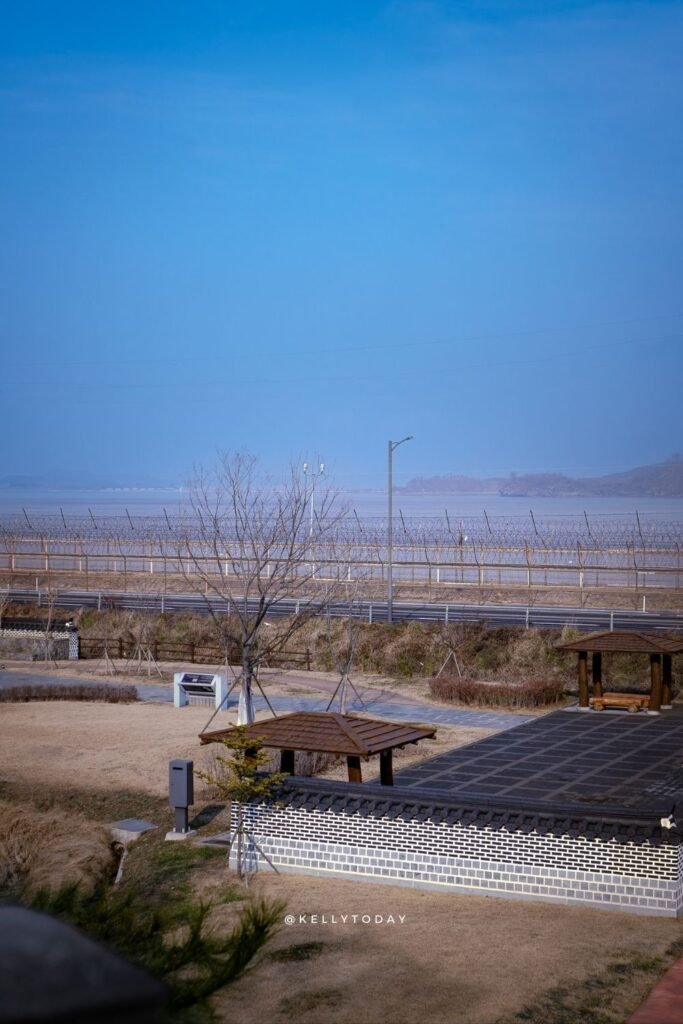
Living as a foreign resident allowed me to experience Korean culture authentically—through daily life, work culture, and relationships with locals. One of my most memorable moments was joining my students on a school field trip (not all schools invite Native English Teachers, so if yours does, consider yourself lucky!). One highlight was exploring Ganghwa Island and seeing North Korea—surreal, humbling, and unforgettable.

Planning a trip to South Korea? Don’t miss out on this day trip from Seoul.
What You Need to Know Before Getting an English Teaching Job in Korea
Viewpoint in Ganghwa Island of North Korea
What You Need to Know Before Getting an English Teaching Job in Korea
View overlooking Ganghwa Island

Language

I’ll admit it—I got swept up in the K-wave in my own way. While I’m not a hardcore K-pop fan, Korean dramas sparked my interest in the language. Before moving, I self-studied Korean and took online tutoring lessons for two months. Korean is often considered one of the more accessible Asian languages to begin learning, and being able to communicate—even at a basic level—makes daily life so much more rewarding.

Education System & Students

South Korea places an enormous value on education. One example that shocked me during my research was the College Scholastic Ability Test (CSAT)—a nationwide university entrance exam so important that flights are grounded and military drills are paused to avoid distracting students. As a teacher, I wanted to work in a country where education mattered. Teaching motivated students who genuinely cared about learning made the experience far more meaningful.

Low Cost of Living

One of the biggest draws of an English teaching job in Korea is the ability to save money. Many teachers are able to save 30–50% of their salary, depending on lifestyle. Because rent is covered and daily expenses are relatively low, I was able to save enough during my winter vacation to fund a 10-day trip to Japan—something that would’ve been much harder back home.

Planning a trip to Japan? Be sure to read these 10 things to know before you visit Japan.

View this post on Instagram

A post shared by kelly ☁️ australian content creator (@kelly.today)

📌 Save time planning your Japan Trip! ✈️

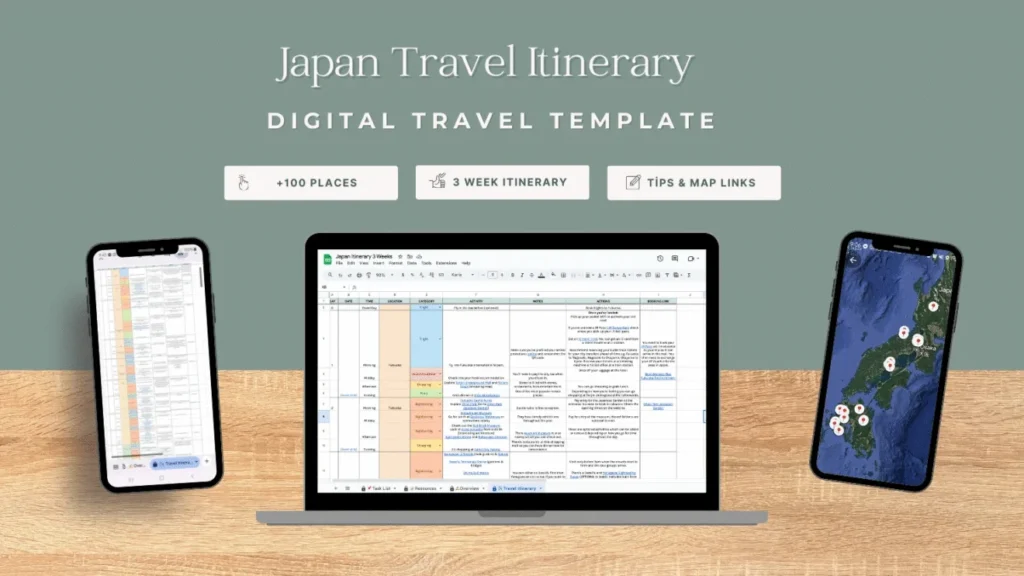
Make the most of your trip and cut hours of planning with my 3-Week Japan Travel Itinerary + Map Guide. Everything’s organised for you—must-see spots, hidden gems, and smooth routes—so you can just download, follow along, and enjoy Japan stress-free.
What You Need to Know Before Getting an English Teaching Job in Korea

Generous Packages (Flights & Accommodation)

Compared to many other countries, South Korea offers some of the most competitive teaching packages, including:

  • Free or subsidised housing
  • Paid vacation time
  • Flight reimbursement
  • National health insurance

Public and private schools differ slightly. Hagwons (private academies) often pay more but may require longer or less predictable hours, while public schools usually offer better work-life balance.

Interested in getting a job in Korea? Read my complete guide to landing an English teaching job in Korea here.

Public Transport

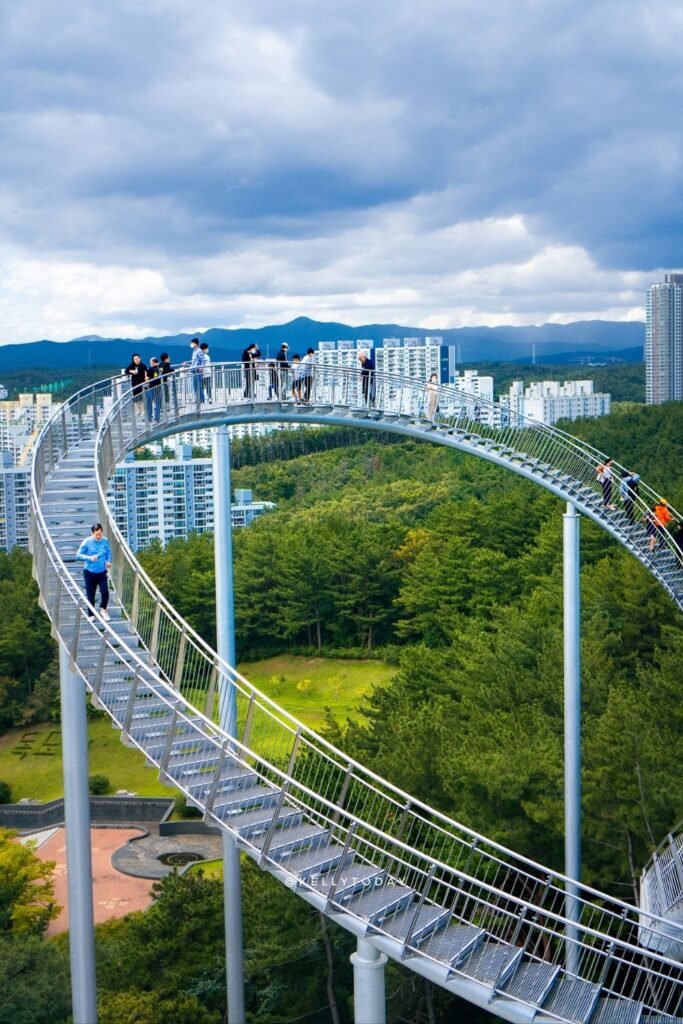
With a background in urban planning, this was a huge factor for me. South Korea’s public transport system is fast, affordable, and incredibly efficient. From subways and buses to affordable taxis, it’s easy to explore both cities and rural areas—making weekend travel simple and budget-friendly. If you’re visiting South Korea for the first-time here’s everything you should know before visiting Korea.

Planning a trip to South Korea? Here are 15 of the best day trips from Seoul you need to know about.
What You Need to Know Before Getting an English Teaching Job in Korea

Food

If you’re a foodie, Korea is a dream. From street food stalls to local eateries and cafés, the food is not only delicious but affordable for the portion sizes. Eating out regularly is normal in Korea—and much cheaper than in many Western countries.

Public Open Space

South Korea offers countless free, accessible public spaces—parks, riverside paths, hiking trails, and gardens. Walking is a big part of daily life, and it’s something I deeply appreciated. Being able to feel safe walking alone at night or exploring neighbourhoods on foot is something I didn’t realise I took for granted before living abroad.

Staying Up Late

In major cities, life doesn’t stop at 9pm. Restaurants, cafés, arcades, shopping centres, and convenience stores stay open late, making it easy to explore after work. Whether you’re an introvert wandering solo or out with friends, there’s always something happening. In Seoul there are plenty of things to do at night you’ll want to add to your itinerary.

You’ll Get To Explore More

South Korea is an excellent home base for exploring Asia. Flights to countries like Japan, Thailand, the Philippines, and Bali are often far cheaper than flying from Western countries—especially if you plan ahead.

Planning a trip to Japan? Here’s 10 places you need to visit in Japan for your next trip.

View this post on Instagram

A post shared by kelly ☁️ australian content creator (@kelly.today)

How to Teach English in South Korea

To be eligible for an English teaching job in South Korea, you’ll need a recognised TEFL (Teaching English as a Foreign Language) certificate and a university degree in any field. Most schools also require applicants to be native English speakers.

Want a full breakdown of the requirements to teach English in South Korea? Read more here.

10 Things You Need to Know About Teaching in South Korea

Before committing to an English teaching job in Korea, it’s important to understand that while the experience can be incredibly rewarding, it’s not a shortcut to wealth or an extended holiday. Most teachers are able to save money, especially because housing is provided, but how much you save depends heavily on your lifestyle. Frequent travel, eating out, and shopping will quickly eat into your earnings.

View this post on Instagram

A post shared by kelly ☁️ australian content creator (@kelly.today)

1. It’s Not A Quick Way to Earn Lots of Money

An English teaching job in Korea can allow you to save money, but it’s not a fast track to getting rich. How much you save depends heavily on your lifestyle. While housing is typically provided and daily expenses are relatively low, frequent travel, eating out, and shopping will reduce your ability to save. Teaching in South Korea offers financial stability and the opportunity to put money aside over time rather than rapid wealth-building.

2. You’re Not On An Endless Paid Vacation

Although living abroad can feel exciting, teaching in South Korea is still a full-time job. Travel and exploration happen outside of work hours and during designated vacation periods. Lesson planning, grading, and preparation often extend beyond classroom hours, especially at private academies (hagwons). If your goal is to travel full-time, an English teaching job in Korea may not align with your expectations.

3. It’s Not All Glamorous

Living abroad comes with administrative and emotional challenges that are often overlooked online. Setting up banking, healthcare, phone plans, and government documentation can be stressful—especially with a language barrier. While some schools provide support, others expect teachers to manage these processes independently, so having savings and patience is essential.

4. It’s a Teaching Job & You Will Work With Kids

Teaching English in Korea requires far more than just standing in front of a classroom. Classroom management, lesson planning, assessments, and communication with coworkers and parents are all part of the role. Working with children can be rewarding, but it also requires energy, adaptability, and emotional resilience—particularly when cultural expectations differ from what you’re used to.

5. You’ll Need to Support Yourself

While teaching salaries cover basic living costs, financial responsibility still falls on you. Managing your money well is key to saving during your time abroad. Beyond finances, teaching overseas adds valuable professional experience to your resume, demonstrating adaptability, independence, and cross-cultural communication—skills that are highly transferable to future careers.

6. You’re On Your Own

Loneliness is a common experience when moving abroad. Being far from family and friends can feel isolating, especially in the early months. Over time, many teachers build strong communities with fellow expats and locals, but this takes effort and patience. Being kind to yourself during this adjustment period is crucial.

7. You’ll Experience Culture Shock

Most teachers go through a honeymoon phase followed by culture shock. Cultural misunderstandings, workplace hierarchies, and differences in student behaviour can feel frustrating at times. This phase is normal and temporary, but it requires openness and adaptability. Those who embrace the learning curve tend to grow the most from the experience.

8. Language Barrier

Even with preparation, navigating daily life in a country where English isn’t widely spoken can be exhausting. Tasks such as grocery shopping, visiting government offices, or dealing with unexpected issues can feel overwhelming. Over time, most teachers gain confidence and pick up the language naturally, but patience is essential.

9. Life Back Home Keeps Moving

While you’re building a new life abroad, important moments back home will still happen. You may miss birthdays, weddings, or milestones with loved ones. Relationships can shift, and people may not fully understand your experience. This is one of the harder emotional realities of teaching abroad.

10. It is an Exciting & Stressful Journey

An English teaching job in Korea is both rewarding and challenging. You’ll experience incredible highs alongside moments of doubt and stress. Despite the difficulties, many teachers look back on their time in Korea as one of the most formative periods of their lives.

Frequently Asked Questions About Teaching in South Korea

What is TEFL?

TEFL stands for Teaching English as a Foreign Language and refers to both the certification and the global industry of teaching English to non-native speakers. A recognised TEFL certification is essential for qualifying for an English teaching job in Korea and meeting visa requirements.

Is TEFL a reputable industry?

Yes, TEFL is a well-established and fast-growing global industry. Countries like South Korea continue to have strong demand for English teachers, offering structured programs, stable salaries, and benefits such as housing and healthcare. Choosing an accredited TEFL course is crucial to ensure your qualification is recognised by employers and immigration authorities.

Which TEFL Course is Best For Teaching in Korea?

The best TEFL course for South Korea is one that meets international standards, includes at least 100 hours of coursework, offers live teaching practice, and provides job search guidance. Many employers prefer candidates who have completed a comprehensive, accredited program rather than a short or low-cost online certificate.

TEFL International Standards

  • Instruction is provided by experienced university-level instructors;
  • The curriculum is accredited by a recognised, independent accrediting body;
  • 6 to 20 hours of live practice teaching with ESL (English Second Language) students;
  • A minimum of 100 hours of academic coursework.

Which TEFL Course do you recommend?

A TEFL certification course can either be undertaken full-time for 4 weeks, or part-time (11 weeks) in an online TEFL course setting. I chose the part-time course with International TEFL Academy (ITA).

Can I teach English in South Korea without a degree?

You’ll need a degree in any field to teach English in South Korea but it doesn’t have to be education-related. That said, having a degree in education or teaching can be advantageous, especially if you’re hoping to secure positions at public schools or private academies in competitive locations like Seoul.

Can I teach English in South Korea without teaching experience?

Most schools in South Korea do not require prior teaching experience. Instead, they look for candidates who are professional, adaptable, and willing to learn. A high-quality TEFL course helps prepare first-time teachers by covering classroom management, lesson planning, and teaching methodology.

What requirements do I need to get an English teaching job in Korea?

To qualify for an English teaching job in Korea, you’ll need a bachelor’s degree, a recognised TEFL certification, and the necessary documents to apply for an E-2 teaching visa. Requirements can vary slightly depending on the school and program. For a more comprehensive list of the requirements to land an English Teaching job in Korea, you can read my full guide here.

What visa do you need for an English teaching job in Korea?

English teachers in South Korea are required to hold an E-2 teaching visa. This visa is sponsored by your employer and must be obtained before starting work. The application process involves submitting educational documents, a background check, and a health screening.

When can I apply for an English teaching job in Korea?

Teaching positions in South Korea are available year-round, though hiring timelines differ between public schools and private academies. Because document preparation and visa processing take time, it’s best to plan several months in advance.

What is an English teacher’s salary in South Korea?

Most English teachers work between 25 and 30 teaching hours per week. With housing provided and living costs relatively low, many teachers are able to save between $1,200 and $1,600 USD per month, depending on lifestyle and spending habits.

How long are the contracts for an English teacher in Korea?

Teaching contracts in South Korea are typically one year in length, with the option to renew. Visa extensions are required for contract renewals and are usually straightforward if you continue working with the same employer.

Is Teaching English in South Korea Worth It?

Whether teaching in South Korea is worth it depends on your expectations and mindset. For those open to growth, cultural immersion, and stepping outside their comfort zone, an English teaching job in Korea can be a deeply rewarding and life-changing experience.

📝 Other Resources You Might Find Helpful 📝

  • Requirements for teaching English in Korea
  • Complete guide for getting an English teaching job in South Korea
  • Get qualified to teach English in South Korea with a TEFL Certification

Travel Planning Resources

Power Adaptors : I always recommend buying a universal adaptor so you can use it in any country (great for future travels), and it offers extra ports for USB cables to charge your devices.

Accommodation 🛌: I book all my accommodation in Asia through Booking.com. They have a wide selection of accommodations worldwide, with flexible booking options and great deals. If you join their Genius Loyalty program, you can also get discounts on selected stays.

Attractions & Tours 🌟 Klook and GetYourGuide are my preferred platforms for local tours and activities in Korea. They make it easy to compare tours, book experiences and the best deals. You can also download their mobile app, where you can easily access your bookings on the go.

Easy Car Rental 🚗 Get hassle-free car rentals on DiscoverCars with a wide selection, competitive prices, and great customer service. Often it’s cheaper than booking direct, and you can compare a large range of suppliers to check if you’re getting the best price.

Stay Connected 📶 wherever you go by easily and affordably purchasing an eSim for all your travels. Thanks to Airalo, you’ll get instant access to data, and you don’t need to physically swap a plastic SIM card every time you’re travelling to a new country.

Travel Insurance 🛡️ I use World Nomads for overseas travel insurance. Travel with peace of mind knowing you’ll be covered for unexpected events and plan a worry-free journey.

Camera Gear 📸: If you’re curious about the camera gear I’ve used for my photos, find out what’s in my camera bag here.

Found this helpful? 👇🏼

Support my work by buying me a coffee so I can produce more free content for you.


📌 Like this post?

Pin ‘What You Need to Know Before Getting an English Teaching Job in Korea‘ for later.
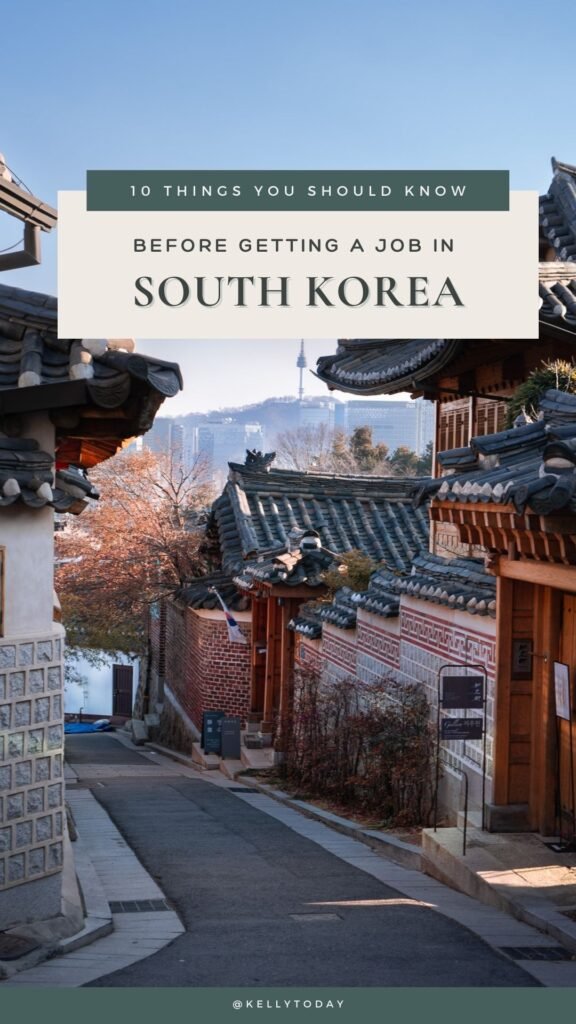

What You Need to Know Before Getting an English Teaching Job in Korea

Posted By: kellytoday · In: Blog, Working Abroad

Requirements for Teaching English in Korea: What You Need To Know Before Applying
Your Complete Guide to Landing an English Teaching Job in Korea

You’ll Also Love

10 Best Day Trips from Fukuoka Japan10 Day Trips from Fukuoka That’s Worth Your Time
Helpful Things to Know When Travelling to Japan20 Helpful Things to Know When Travelling to Japan
10 best things to do in Zurich Switzerland10 Best Things to Do in Zurich You Can’t Miss

Leave a Reply Cancel reply

You must be logged in to post a comment.

Hi, I'm Kelly! I'm an Asian Australian content creator from Western Australia. I inspire others to get outside and explore the world. Join my adventures and discover my best travel & photography tips!

Map Travel Guide

Map Travel Guide

Join the community!

Subscribe to access the latest travel tips, discount codes & updates about group trips & product releases!

Follow me on IG @kellytoday

Don't miss this souvenir in Japan💮📔 Forget the us Don't miss this souvenir in Japan💮📔

Forget the usual keychains or magnets—one of the most memorable souvenirs you can collect in Japan are eki stamps. They’re a fun (and free!) way to document your travels, with each design reflecting the history, culture, or characters of the location.

✨ Where can I find stamps in Japan?
You’ll spot them at train stations, temples, castles, popular tourist spots, and even specialty character stores.

✨ Where to get a stamp book? 
Bring your own notebook, or pick one up in Japan from stores like Itoya, Loft, or Tokyu Hands.

📌Tips for Collecting Stamps in Japan

① Always carry your notebook so you don’t miss one.

② Keep an eye out for limited edition stamps tied to seasonal events or anniversaries.

③ Most station stamps are near ticket gates—if you can’t find one, ask staff: eki stamp wa doko desu ka? or stampu arimasu ka?

④ Download the Stamp Quest app to help find locations (note: it doesn’t cover every stamp in Japan).

⑤ Treat it like a travel journal—it becomes a personalised keepsake of your journey.

📌 Want more Japan travel tips? My 3-week Japan itinerary is available for download. Comment itinerary and I'll send it to you.

💭 Have you collected any unique souvenirs during your travels in Japan? 

Unique souvenirs in Japan, things to do in Japan, free souvenirs in Japan

#Japan #Asia #traveltips #travelguide
I didn't expect a camera this small to handle this I didn't expect a camera this small to handle this much of my content. 👀

I’ve been using the DJI Osmo Pocket 4 over the past few weeks, and it’s quietly become my go-to camera for content creation — especially on days when I want cinematic footage without carrying extra gear.

For such a tiny camera, it delivers seriously high-quality 4K video, gives you full creative control with 10-bit D-Log, and makes filming solo feel effortless thanks to its subject tracking. It’s compact, lightweight, and genuinely easy to use — which means I actually reach for it more.

Here are my favourite features of the DJI Osmo Pocket 4:

🎥 3-axis gimbal stabilisation — smooth, steady footage that stays locked on your subject

🎨 Enhanced image quality — rich colours, depth, and detail for a cinematic look

🌙 1-inch CMOS sensor — makes filming in low light so much easier

🎞️ 10-bit D-Log support — more flexibility when colour grading

🔍 4K recording with 2× zoom — plus ActiveTrack for steadier, stress-free filming

🐢 4K slow motion at 240fps — perfect for cinematic moments

👤 ActiveTrack 7.0 — face tracking that keeps you centred, ideal for solo creators

🤳🏼 Built-in filters with fill light for soft, glowing skin straight from the camera. Includes film-inspired tones and beauty filters that make portraits look polished without over-editing.

🎒 Compact & lightweight — fits easily into a pocket or small bag

It’s the kind of camera that works *with* you — whether you’re vlogging, travelling, or creating on the go.

💬 Would you try the DJI Osmo Pocket 4?

If you’ve got questions, drop them in the comments — happy to share more 🤍

#DJIPocket4 #VideoCamera #DigitalCamera #CinematicVideo #ContentCreation @djiglobal @djistoreau
What if the prettiest canals in the Netherlands ar What if the prettiest canals in the Netherlands aren’t in Amsterdam… but just 30 minutes away? 👀

Swipe through, and you’ll see why this might just be the Netherlands’ most underrated spot to explore.

There’s something about this city that invites you to slow down. Maybe it’s the quiet canals lined with 17th-century buildings, or the way you stumble into hidden hofjes (courtyards) without even trying 🌿

It’s where Rembrandt van Rijn grew up, where science once thrived at its historic university, and where even the walls whisper stories (yes, including Albert Einstein’s equations) 🧠

💡 Save this for your next Netherlands trip:

 – Wander through secret courtyard gardens tucked behind old gates, where stepping inside feels like entering a quieter, hidden version of the city 🌿

 – Visit the beautiful Hortus Botanicus Leiden, Europe’s oldest botanical garden, filled with glasshouses, rare plants, and peaceful corners to linger in 🌷

 – Get lost along the canals with no real plan, letting cobblestone streets and charming bridges lead you until golden hour paints everything in soft light

 – End the day with a drink by the water, finding a cosy spot to sit as boats drift past and the city slowly winds down 🍷

Softer than Amsterdam. Quieter. A little more personal. The kind of place where every corner feels like it’s waiting to be discovered.

Welcome to Leiden 🎨🚤

💭 Would you add this place to your #bucketlist?

📷 photos taken on @sony A6400 camera and @tamronaus lens. Edited using my Lightroom presets (linked in bio)

#europe #netherlands #travelphotography #madewithlightroom  @lightroom @visitnetherlands
📝 Part 7 of the media I consumed this week that sp 📝 Part 7 of the media I consumed this week that sparked my curiosity 🙇🏻‍♀️

Here’s some media to help you be more intentional with your time — swap the doomscrolling for video essays and thoughtful articles that actually stay with you. 🌱

A roundup of what’s worth consuming when you want to learn something new and give your brain a little spark. ✨📚

💌 If this resonates, I share weekly recommendations (books, films, articles, podcasts + more) in my newsletter. You can sign up through the link in my bio.

💭 You can sign up for my newsletter to receive the full list of media featured here.

📝 Comment 'list' and I'll send you all the links for the media in this carousel.

#reading #whattoread #habits
The best sunset spot can be found in Portugal 🌅 # The best sunset spot can be found in Portugal 🌅

#europe #sunset #bucketlist #nature #portugal
Can you guess where this is? 📍Kyushu, Japan #j Can you guess where this is? 

📍Kyushu, Japan 

#japan #asia #frieren #bucketlist
Sharing a handful of my favourite photos I’ve take Sharing a handful of my favourite photos I’ve taken across my twenties — moments captured while travelling through Asia and Europe, nothing staged, nothing generated, just as they were.

Earlier this year, the head of Instagram mentioned how widespread AI has become, to the point where it’s getting harder to tell what’s real and what isn’t. And honestly, you can feel it. So much of what we see now is polished, perfected, and sometimes… not even real.

Somewhere along the way, content started to feel less like memories and more like output.

One of my quiet goals this year has been to create more than I consume. To step away from chasing trends, obsessing over analytics, and trying to keep up with whatever the algorithm favours that week.

I’ve been enjoying creating things that don’t always get posted — writing more, documenting more, keeping moments just for myself.

But this felt like something worth sharing.

So if this somehow made its way to you, here are a few real moments I’ve captured over the years

💭 Which photo is your favourite? 

📷 Shot on @sony camera and @tamronaus lens. Edited using my @lightroom presets (linked in my bio)

#europe #travelphotography #bucketlist #lightroom #madewithlightroom
Would you visit this country? Here's a few of my Would you visit this country? 

Here's a few of my favourite places I've visited in Switzerland on my one week trip. This was taken during the end of August and beginning of September. 

💬 Have you ever visited Switzerland? 
🗺 Comment 'SWITZERLAND' and i'll send you my 7 day itinerary for switzerland. 

📷 Photos were taken on @sony and edited on @lightroom using my presets (linked in bio) 

#europe #switzerland #bucketlist #travelphotography
Would you travel all the way to Switzerland to see Would you travel all the way to Switzerland to see this? 🏔🥾🪂🏞🍃

Here's a few of my favourite places I've visited in Switzerland on my one week trip. This was taken during the end of August and beginning of September. 

💬 Have you ever visited Switzerland? 
🗺 Comment 'SWITZERLAND' and i'll send you my 7 day itinerary for switzerland. 

📷 Photos were taken on @sony and edited on @lightroom using my presets (linked in bio) 

#bucketlist #europe #travelphotography #switzerland #lightroom

Travel More

Explore Categories

  • Free Resources
  • Blog
  • Travel
  • Travel Tips & Guides
  • Photography
  • Working Abroad

Support my work

Recent Posts

  • 10 Day Trips from Fukuoka That’s Worth Your Time
  • 20 Helpful Things to Know When Travelling to Japan
  • 10 Best Things to Do in Zurich You Can’t Miss
  • 10 Autumn Romance Books to Cosy Up With This Season
  • 15 Best Friends to Lovers Romance Books To Add To Your Reading List

travel more

300*250
Don't miss this souvenir in Japan💮📔 Forget the us Don't miss this souvenir in Japan💮📔

Forget the usual keychains or magnets—one of the most memorable souvenirs you can collect in Japan are eki stamps. They’re a fun (and free!) way to document your travels, with each design reflecting the history, culture, or characters of the location.

✨ Where can I find stamps in Japan?
You’ll spot them at train stations, temples, castles, popular tourist spots, and even specialty character stores.

✨ Where to get a stamp book? 
Bring your own notebook, or pick one up in Japan from stores like Itoya, Loft, or Tokyu Hands.

📌Tips for Collecting Stamps in Japan

① Always carry your notebook so you don’t miss one.

② Keep an eye out for limited edition stamps tied to seasonal events or anniversaries.

③ Most station stamps are near ticket gates—if you can’t find one, ask staff: eki stamp wa doko desu ka? or stampu arimasu ka?

④ Download the Stamp Quest app to help find locations (note: it doesn’t cover every stamp in Japan).

⑤ Treat it like a travel journal—it becomes a personalised keepsake of your journey.

📌 Want more Japan travel tips? My 3-week Japan itinerary is available for download. Comment itinerary and I'll send it to you.

💭 Have you collected any unique souvenirs during your travels in Japan? 

Unique souvenirs in Japan, things to do in Japan, free souvenirs in Japan

#Japan #Asia #traveltips #travelguide
I didn't expect a camera this small to handle this I didn't expect a camera this small to handle this much of my content. 👀

I’ve been using the DJI Osmo Pocket 4 over the past few weeks, and it’s quietly become my go-to camera for content creation — especially on days when I want cinematic footage without carrying extra gear.

For such a tiny camera, it delivers seriously high-quality 4K video, gives you full creative control with 10-bit D-Log, and makes filming solo feel effortless thanks to its subject tracking. It’s compact, lightweight, and genuinely easy to use — which means I actually reach for it more.

Here are my favourite features of the DJI Osmo Pocket 4:

🎥 3-axis gimbal stabilisation — smooth, steady footage that stays locked on your subject

🎨 Enhanced image quality — rich colours, depth, and detail for a cinematic look

🌙 1-inch CMOS sensor — makes filming in low light so much easier

🎞️ 10-bit D-Log support — more flexibility when colour grading

🔍 4K recording with 2× zoom — plus ActiveTrack for steadier, stress-free filming

🐢 4K slow motion at 240fps — perfect for cinematic moments

👤 ActiveTrack 7.0 — face tracking that keeps you centred, ideal for solo creators

🤳🏼 Built-in filters with fill light for soft, glowing skin straight from the camera. Includes film-inspired tones and beauty filters that make portraits look polished without over-editing.

🎒 Compact & lightweight — fits easily into a pocket or small bag

It’s the kind of camera that works *with* you — whether you’re vlogging, travelling, or creating on the go.

💬 Would you try the DJI Osmo Pocket 4?

If you’ve got questions, drop them in the comments — happy to share more 🤍

#DJIPocket4 #VideoCamera #DigitalCamera #CinematicVideo #ContentCreation @djiglobal @djistoreau
What if the prettiest canals in the Netherlands ar What if the prettiest canals in the Netherlands aren’t in Amsterdam… but just 30 minutes away? 👀

Swipe through, and you’ll see why this might just be the Netherlands’ most underrated spot to explore.

There’s something about this city that invites you to slow down. Maybe it’s the quiet canals lined with 17th-century buildings, or the way you stumble into hidden hofjes (courtyards) without even trying 🌿

It’s where Rembrandt van Rijn grew up, where science once thrived at its historic university, and where even the walls whisper stories (yes, including Albert Einstein’s equations) 🧠

💡 Save this for your next Netherlands trip:

 – Wander through secret courtyard gardens tucked behind old gates, where stepping inside feels like entering a quieter, hidden version of the city 🌿

 – Visit the beautiful Hortus Botanicus Leiden, Europe’s oldest botanical garden, filled with glasshouses, rare plants, and peaceful corners to linger in 🌷

 – Get lost along the canals with no real plan, letting cobblestone streets and charming bridges lead you until golden hour paints everything in soft light

 – End the day with a drink by the water, finding a cosy spot to sit as boats drift past and the city slowly winds down 🍷

Softer than Amsterdam. Quieter. A little more personal. The kind of place where every corner feels like it’s waiting to be discovered.

Welcome to Leiden 🎨🚤

💭 Would you add this place to your #bucketlist?

📷 photos taken on @sony A6400 camera and @tamronaus lens. Edited using my Lightroom presets (linked in bio)

#europe #netherlands #travelphotography #madewithlightroom  @lightroom @visitnetherlands
📝 Part 7 of the media I consumed this week that sp 📝 Part 7 of the media I consumed this week that sparked my curiosity 🙇🏻‍♀️

Here’s some media to help you be more intentional with your time — swap the doomscrolling for video essays and thoughtful articles that actually stay with you. 🌱

A roundup of what’s worth consuming when you want to learn something new and give your brain a little spark. ✨📚

💌 If this resonates, I share weekly recommendations (books, films, articles, podcasts + more) in my newsletter. You can sign up through the link in my bio.

💭 You can sign up for my newsletter to receive the full list of media featured here.

📝 Comment 'list' and I'll send you all the links for the media in this carousel.

#reading #whattoread #habits
The best sunset spot can be found in Portugal 🌅 # The best sunset spot can be found in Portugal 🌅

#europe #sunset #bucketlist #nature #portugal
Can you guess where this is? 📍Kyushu, Japan #j Can you guess where this is? 

📍Kyushu, Japan 

#japan #asia #frieren #bucketlist
Sharing a handful of my favourite photos I’ve take Sharing a handful of my favourite photos I’ve taken across my twenties — moments captured while travelling through Asia and Europe, nothing staged, nothing generated, just as they were.

Earlier this year, the head of Instagram mentioned how widespread AI has become, to the point where it’s getting harder to tell what’s real and what isn’t. And honestly, you can feel it. So much of what we see now is polished, perfected, and sometimes… not even real.

Somewhere along the way, content started to feel less like memories and more like output.

One of my quiet goals this year has been to create more than I consume. To step away from chasing trends, obsessing over analytics, and trying to keep up with whatever the algorithm favours that week.

I’ve been enjoying creating things that don’t always get posted — writing more, documenting more, keeping moments just for myself.

But this felt like something worth sharing.

So if this somehow made its way to you, here are a few real moments I’ve captured over the years

💭 Which photo is your favourite? 

📷 Shot on @sony camera and @tamronaus lens. Edited using my @lightroom presets (linked in my bio)

#europe #travelphotography #bucketlist #lightroom #madewithlightroom
Would you visit this country? Here's a few of my Would you visit this country? 

Here's a few of my favourite places I've visited in Switzerland on my one week trip. This was taken during the end of August and beginning of September. 

💬 Have you ever visited Switzerland? 
🗺 Comment 'SWITZERLAND' and i'll send you my 7 day itinerary for switzerland. 

📷 Photos were taken on @sony and edited on @lightroom using my presets (linked in bio) 

#europe #switzerland #bucketlist #travelphotography
  • Disclosure
  • Privacy Policy
  • Terms & Conditions

Copyright © 2026 Kelly Today · Theme by 17th Avenue