Lucerne is one of those Swiss cities that feels almost too picturesque to be real. Set on the shores of Lake Lucerne and surrounded by mountains, the city combines medieval architecture, scenic lake views and easy access to some of Switzerland’s most famous mountain destinations.
While Lucerne is compact enough to explore on foot, there is plenty to see and do both within the city and further afield. Whether you’re visiting for a weekend, stopping here as part of a longer Switzerland itinerary, or using Lucerne as a base for day trips, it’s a destination that is easy to fall in love with.
From wandering across the famous Chapel Bridge to taking a boat across Lake Lucerne, here are some of the best things to do in Lucerne, along with practical tips to help you plan your visit.
🗺️ Plan your ultimate Swiss adventure stress-free with this one-week Google Sheets Switzerland itinerary, complete with maps, transport tips, accommodation suggestions, and a budget tracker.
Disclaimer: This post may contain affiliate links, which means I get a small commission if you make a purchase (at no extra cost to you). It’s one of the ways I can keep producing free resources and guides for my readers. Thank you for your support! Refer to the Disclosure Policy for more details.
Tips for Visiting Lucerne, Switzerland
Before you dive into all the best things to do in Lucerne, it’s helpful to get a few key tips and essentials that will make exploring the city smoother, easier, and more enjoyable.
Before getting into the best things to do in Lucerne, there are a few practical things worth knowing.
Lucerne is relatively easy to navigate, and many of the main attractions are within walking distance of one another. This makes it a great destination if you prefer slow travel and exploring a city without constantly relying on public transport.
That said, some of the best experiences around Lucerne involve leaving the city centre. Mountains including Mount Pilatus, Mount Rigi and Mount Titlis are all accessible as day trips, while Lake Lucerne connects the city with several surrounding towns and hiking destinations.
Switzerland can also be expensive, so a little planning can make a noticeable difference to your budget. Booking accommodation and major excursions in advance, travelling by train and being strategic about where you eat can help keep costs under control.
Short on time?
Here are my top recommendations for your next Switzerland trip:
💸 Save money: Use a Wise travel card to spend in multiple currencies with real exchange rates and low conversion fees.
🗺️ Save time with my digital one-week Switzerland travel itinerary template.
🙇🏻♀️ Stay organised: Plan every part of your trip, from itinerary to packing list, with my Ultimate Notion Travel Planner Template. It’s the exact system I use to streamline my travel prep, and it’s perfect for visual planners who want everything in one place.
🗺️ Save hours planning your Switzerland trip with this interactive Notion guide, complete with +50 places, map coordinates, tips, and booking links
🛤️ Getting Around Switzerland: Order a Swiss Travel Pass to get unlimited public transport across Switzerland’s national transport network.
🗺️ Tours: Pre-book tours, skip-the-line passes and cultural experiences using Klook, GetYourGuide, and Viator.
🛌 Accommodation: Find the best deals and filter by reviews on Booking.com.
🏥 Travel Insurance: Never leave home without it. World Nomads offers reliable coverage for medical emergencies, cancellations, and lost items.
📶 Staying Connected: Get instant access to data with Airalo eSIM.
Getting Around Lucerne
Lucerne is one of those cities where you can get around surprisingly easily without a car. The Old Town, Chapel Bridge, Lion Monument, waterfront and train station are all within walking distance of one another, so you won’t need to rely on public transport for most sightseeing.
Where things get more complicated is if you’re planning to explore beyond the city. This is where Switzerland’s various travel passes can be useful, but it is worth comparing the options rather than automatically buying one.
Lucerne Visitor Pass
If you’re staying overnight in the city of Lucerne, check whether your accommodation provides the Lucerne Visitor Card. It is provided to overnight guests who pay the applicable visitor tax and is not something you purchase separately.
The card gives you free travel on buses and trains within Zone 10, which covers Lucerne’s local public transport network. It is valid on your arrival and departure days as well as the days in between, for up to 14 days per stay. However, it does not include boat travel.
You can also receive discounts on selected mountain railways, cable cars, museums and excursions around the Lucerne-Lake Lucerne region. The discounts vary depending on the attraction, so it’s worth checking the current list before planning your day around a particular saving.
Your accommodation should provide the card, usually digitally before your stay or at check-in. Keep it handy because you’ll need to present it when claiming discounts.
One important thing to remember: the Visitor Card is not the same as a regional or nationwide travel pass. It mainly covers local public transport in Lucerne and provides selected discounts. If you’re planning to take trains to other parts of Switzerland or several mountain excursions, you’ll need to look at other options.
Lucerne Travel Pass
The Lucerne Travel Pass is a regional pass designed for exploring Central Switzerland rather than just getting around the city.
It can be useful if you’re planning several excursions around Lake Lucerne and the surrounding mountains. Depending on the validity period you choose, it provides unlimited travel on eligible trains and buses in Central Switzerland, includes boat trips and covers a number of mountain excursions, including destinations such as Mount Pilatus, Mount Rigi and Titlis.
The pass is currently available for 3, 4, 5 or 10 consecutive days, although the exact attractions and routes included can vary, so check the area of validity before purchasing. Some mountain railways also have seasonal operating schedules, particularly during winter.
This is where doing a little maths before your trip is worthwhile.
If you’re spending two days in Lucerne mostly walking around the city, the Lucerne Travel Pass probably isn’t necessary. But if you’re planning something like a boat trip on Lake Lucerne, Mount Pilatus and Mount Rigi over several consecutive days, the pass can start to make more sense.
I wouldn’t buy it simply because you’re visiting Lucerne. Look at the individual journeys and excursions you actually want to take, add up their prices, and compare that with the pass.
Planning a Trip or Longer?
If you have extra time, consider adding a mountain excursion to your itinerary. Mount Pilatus is one of the most popular options and offers panoramic views over Lucerne and the surrounding Alps. Mount Rigi is another great choice, particularly if you want to combine mountain scenery with a scenic train or boat journey.
You could also visit Mount Titlis, explore nearby towns such as Weggis and Vitznau, or spend a day travelling around Lake Lucerne.
If you’re putting together a longer Switzerland itinerary, Lucerne can easily be combined with destinations such as Zurich, Interlaken, Bern and Zermatt. I combined Lucerne with Zurich, Grindelwald and Zermatt as part of a 7-day itinerary on my first time.
Swiss Travel Pass
If Lucerne is just one stop on a longer Switzerland trip, the Swiss Travel Pass may be more relevant.
Unlike the Lucerne Travel Pass, which focuses on Central Switzerland, the Swiss Travel Pass is designed for international visitors travelling throughout Switzerland. It provides unlimited travel on eligible trains, buses and boats for 3, 4, 6, 8 or 15 consecutive days. It also includes free admission to more than 500 museums and includes some mountain excursions, while other mountain destinations are offered at a discount.
This can be particularly convenient if you’re travelling between several Swiss destinations rather than staying in one region. For example, if your itinerary includes Lucerne, Interlaken, Bern and Zurich, having a nationwide pass can be easier than purchasing every train journey individually.
However, convenience doesn’t automatically mean savings.
If you’re only taking a couple of short train journeys and spending most of your time in each city, individual tickets may work out cheaper. The same applies if you’re only visiting Lucerne for a day or two.
There is also a Swiss Travel Pass Flex, which offers the same general benefits but lets you choose your travel days rather than using them consecutively. This can be useful if you have several non-travel days built into a longer itinerary.

So, which pass do you actually need?
A simple way to think about it:
| If you're... | Consider |
|---|---|
| Staying in Lucerne and mostly exploring the city | Lucerne Visitor Card |
| Exploring Central Switzerland over several days | Lucerne Travel Pass |
| Travelling around Switzerland by train, bus and boat | Swiss Travel Pass |
| Travelling around Switzerland but not on consecutive days | Swiss Travel Pass Flex |
| Only taking a few journeys | Individual tickets |
There isn’t one pass that is automatically best for everyone. Your itinerary matters much more than the name of the pass.
For my own Switzerland trip planning, I’d start by listing every train, boat and mountain journey I actually expect to take, then compare the total with the available passes. Switzerland’s transport system is excellent, but the costs can add up quickly if you’re moving between destinations every few days.
And if you’re staying overnight in Lucerne, remember to check with your accommodation about the Visitor Card before buying local transport tickets. You may already have some local travel included.
Where to Stay in Lucerne
For a first visit, staying relatively close to the Old Town or Lucerne train station is the most convenient option.
The area around the Old Town puts you within walking distance of many of the city’s main attractions, while staying near the train station makes day trips particularly easy.
If you’re travelling on a budget, look slightly outside the immediate historic centre. Lucerne’s accommodation can be expensive, particularly during the busiest months, so staying a little further away can sometimes offer better value.
When choosing accommodation, I’d prioritise:
- Walking distance to Lucerne train station
- Easy access to public transport
- Proximity to the Old Town
- Lake views, if your budget allows
- Kitchen facilities if you’re trying to save money on food. You can buy meals or snacks from Coop or Migros to save money on dining out.
If you’re planning several day trips, being close to the station can be more useful than staying directly in the most picturesque part of the Old Town.
🏨 Staying in Lucerne overnight? Consider these accommodation options:
📍Best for convenience: Ibis Hotel Luzern City – A practical option just a 15-minute walk from Lucerne Main Train Station, the Old Town and Lake Lucerne, making it easy to explore the city on foot.
🏨 Best for staying in the Old Town: Capsule Hotel in Lucerne Old Town – Want to stay in the heart of Lucerne? This unique capsule-style hotel puts you within easy reach of the Old Town’s sights, restaurants and cafés.
🎒 Budget-friendly option: Luzern Youth Hostel – A modern hostel with convenient public transport connections into the city centre, ideal if you’re looking to keep accommodation costs down.
When to Visit Lucerne
Lucerne is a year-round destination, but the best time to visit depends on what you want to do.
- Spring brings milder temperatures, longer days and fewer visitors than the peak summer months. It’s a lovely time to explore the city and start incorporating hiking into your itinerary.
- Summer is the busiest season and generally offers the best conditions for hiking, lake activities and mountain excursions. The trade-off is higher accommodation prices and larger crowds. If you’re visiting during summer, book popular accommodation and mountain excursions ahead of time.
- Autumn is one of my favourite times to experience Switzerland. The changing colours add another layer to the already beautiful landscape, and the weather can still be pleasant for exploring. September and early October can be particularly appealing if you want a balance between summer weather and fewer crowds.
- Lucerne becomes particularly atmospheric during winter. Snow-covered mountains surround the city, and the Old Town feels especially cosy. If you’re combining your trip with skiing or other winter activities, Lucerne can also make a convenient base for exploring the region.
10 Things to Do in Lucerne That Are Worth Your Time
There are plenty of attractions to add to a Lucerne itinerary, but these are the experiences I’d prioritise.
Walk Across Chapel Bridge
Address: Kapellbrücke, 6002 Luzern, Switzerland
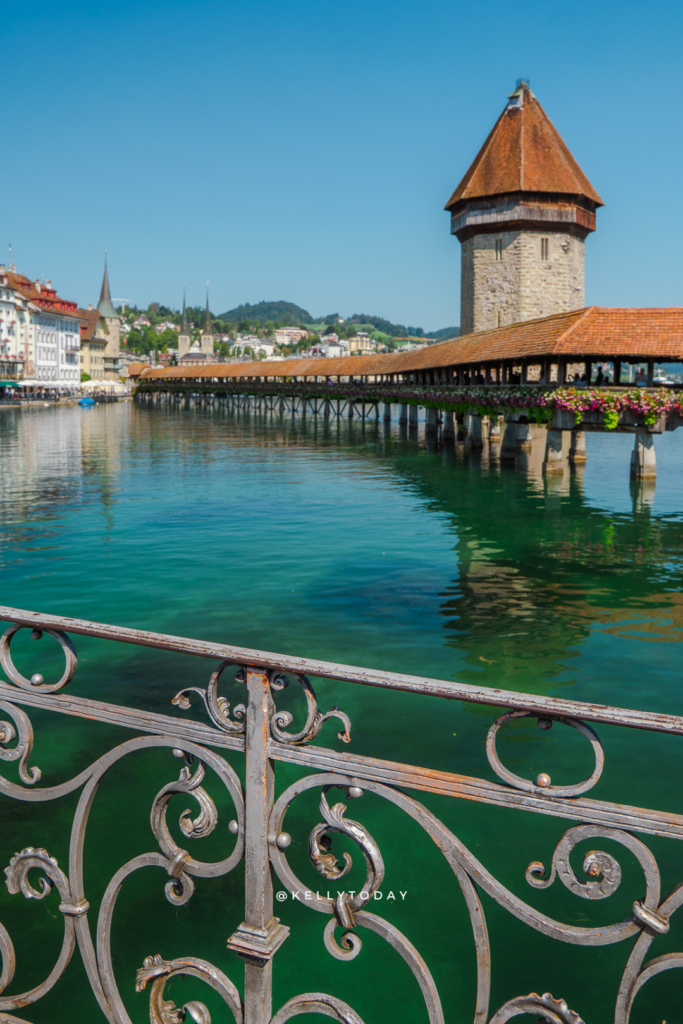
No trip to Lucerne would be complete without seeing Chapel Bridge, or Kapellbrücke.
Stretching 204 metres across the Reuss River, this covered wooden bridge is one of Lucerne’s most recognisable landmarks and one of the oldest wooden covered bridges in Europe. Originally built in the 14th century, it once formed part of the city’s fortifications and connected the Old Town with the opposite side of the river.
As you walk across, look up at the triangular paintings beneath the roof. The historic panels depict scenes connected to Lucerne and Swiss history, although some were lost or damaged when the bridge was badly affected by a fire in 1993. Many of the remaining paintings were subsequently restored.
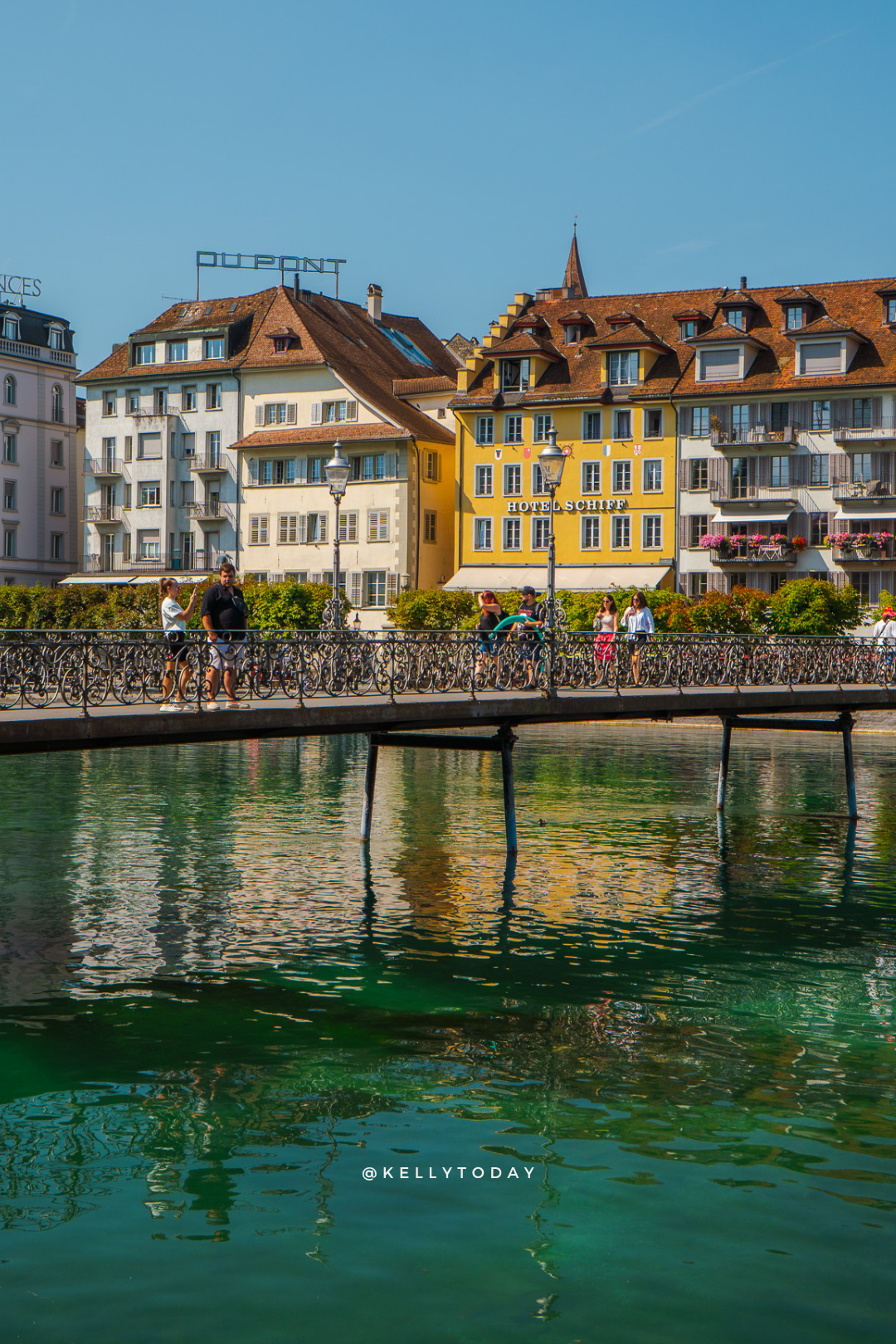
It’s worth crossing the bridge slowly rather than simply stopping for a photograph. From the middle of the bridge, you’ll get lovely views along the Reuss River, towards the colourful Old Town and out towards Lake Lucerne.
Don’t miss the Water Tower
You’ll also notice the distinctive octagonal Water Tower standing beside the bridge. Dating back to the 13th century, it is even older than Chapel Bridge and has served several purposes throughout its history, including as a prison, archive and storage facility.
The tower isn’t open to visitors, but it’s one of the best features to photograph alongside the bridge. For a wider view, head down to the riverbanks around Chapel Bridge, where you can capture both landmarks together with the Reuss River.
Tips for visiting Chapel Bridge
- It’s free to visit: You can walk across Chapel Bridge at any time of day without an entrance fee.
- Go early for fewer crowds: Chapel Bridge is one of Lucerne’s most popular sights, so early morning is your best bet for a quieter experience and unobstructed photos. Late evening can also be a good time to visit.
- Allow 15–30 minutes: You don’t need long to cross the bridge, but allow extra time to stop for photos, look at the paintings and enjoy the river views.
- Explore beyond the bridge: Once you’ve crossed, continue into Lucerne’s Old Town. The surrounding streets are filled with colourful facades, cafés, shops and historic squares including Weinmarkt, Mühlenplatz and Hirschenplatz.
- Visit from both sides: Don’t just cross and leave. The views of Chapel Bridge from the riverbanks are some of the prettiest, particularly with the Water Tower in the frame.
If you’re short on time: Chapel Bridge is right in the heart of Lucerne, so it’s easy to combine with a walk through the Old Town, a stroll along the Reuss River and a visit to nearby sights in the same morning.
💸 Maximise your Lucerne itinerary without breaking the bank: 💸
- Glide across Lake Lucerne on a catamaran cruise and enjoy scenic views of the mountains and city.
- Discover the beauty of Mt. Pilatus with a cable car ride, an easy Alpine hike, the world’s steepest cogwheel railway and a scenic boat cruise back to Lucerne on this day tour.
- Discover Lucerne with a local guide on a private walking tour, exploring iconic landmarks, hidden gems and the city’s best photo spots.
Explore Lucerne’s Old Town
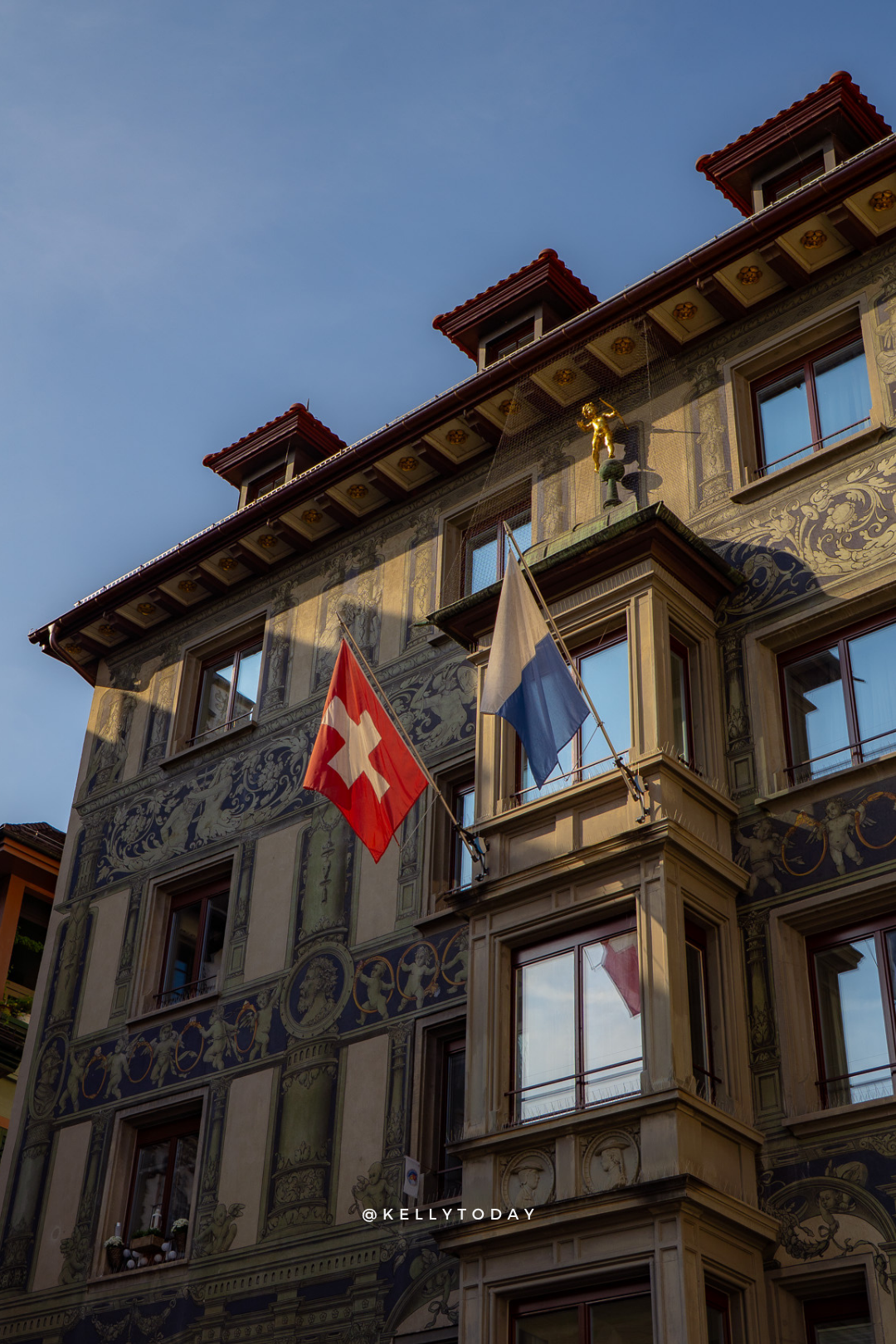
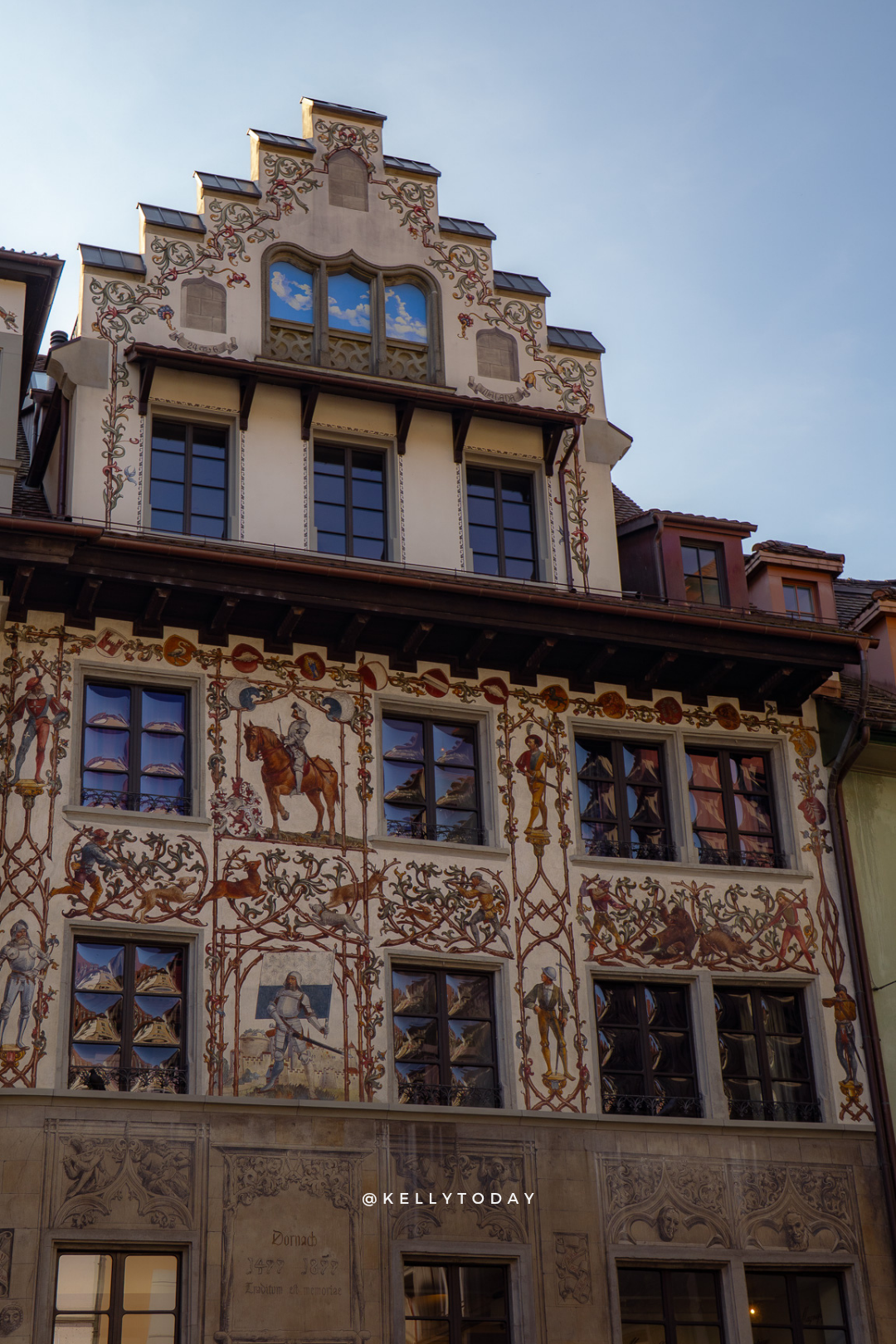
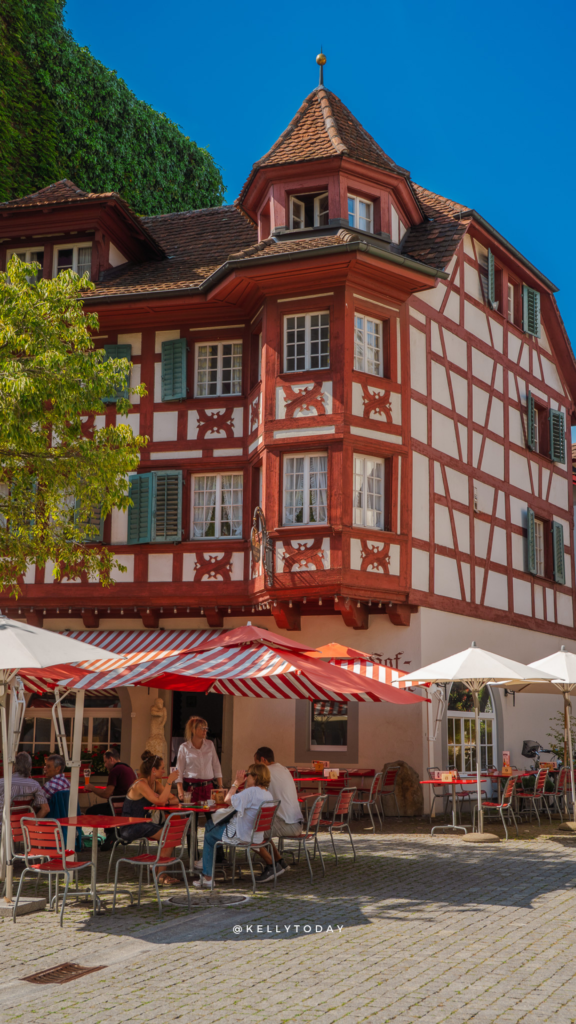
One of the best things to do in Lucerne is simply wander. The Old Town is filled with colourful historic buildings, decorative facades, small shops, cafés and narrow streets. You don’t necessarily need a specific destination in mind.
Take your time walking around the squares and looking up at the architecture. Some of the most interesting details are above street level, including the painted façades. This is also one of the easiest parts of Lucerne to explore without spending much money.
✈️ Make sure you pack these 27 must-have travel essentials before heading off on your next trip.
Visit Musegg Wall (Museggmauer)
Address: Auf Musegg, 6004 Luzern, Switzerland
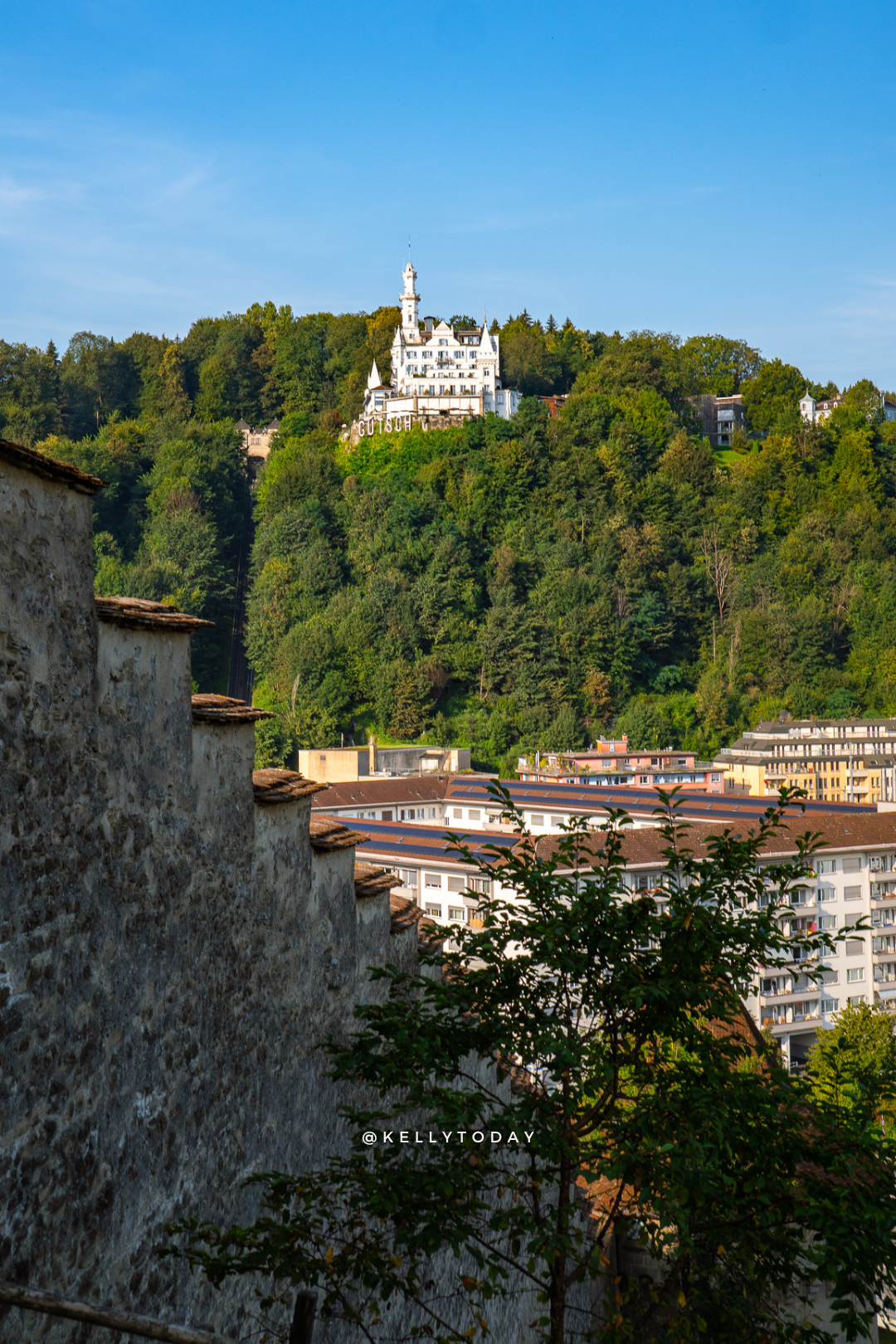
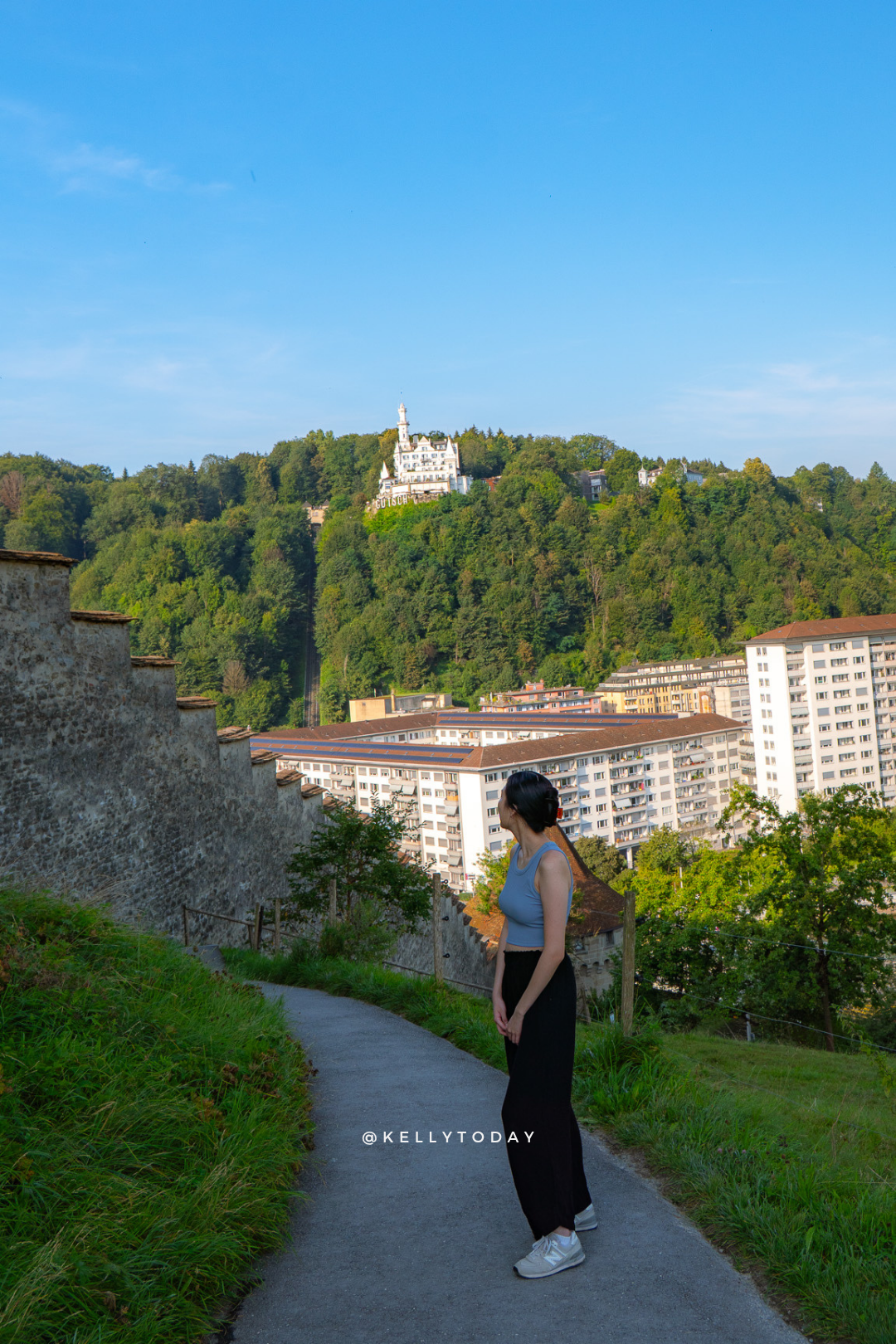
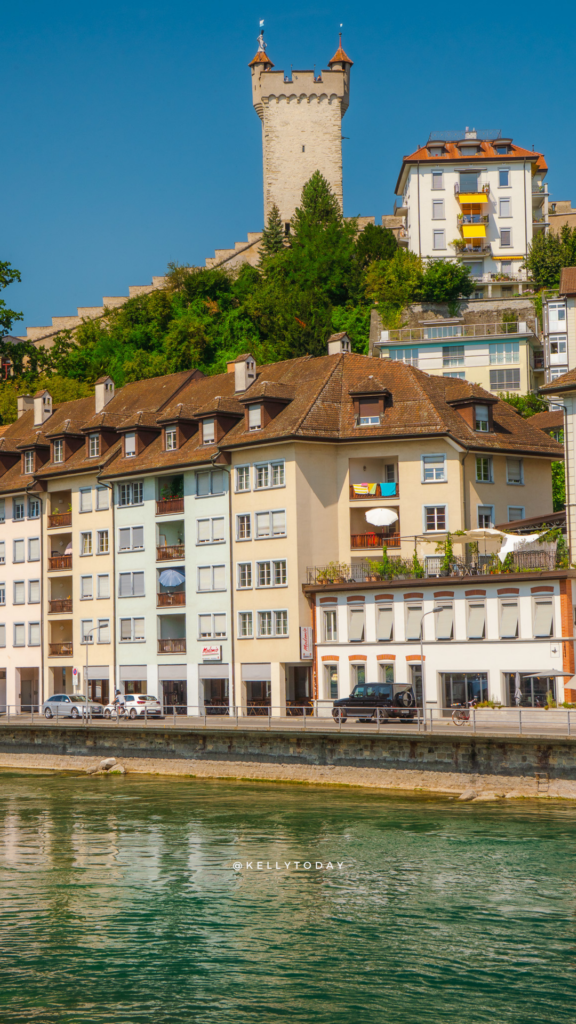
For a different view of Lucerne, head up to the Musegg Wall, a medieval city wall overlooking the Old Town. Dating back to the 13th century, the 870-metre wall is one of Switzerland’s longest surviving city walls, with nine of its original 30 towers still standing.
Four towers are open to visitors: Männliturm, Zytturm, the Watchtower and Schirmerturm. The wall is generally open from April to November.
Walking the battlements takes around 30–45 minutes and involves stone steps and some narrow sections. Along the way, you’ll get views across the Old Town, Lake Lucerne and, on a clear day, the Alps and Mount Pilatus.
If it’s open, climb the Zytturm, or Clock Tower, to see its historic clock collection and hear the bell strike shortly before the rest of Lucerne’s clocks.
Good to know: Tower access is seasonal, so check opening times before visiting.
Visit the Lion Monument
Address: Denkmalstrasse 4, 6002 Luzern, Switzerland
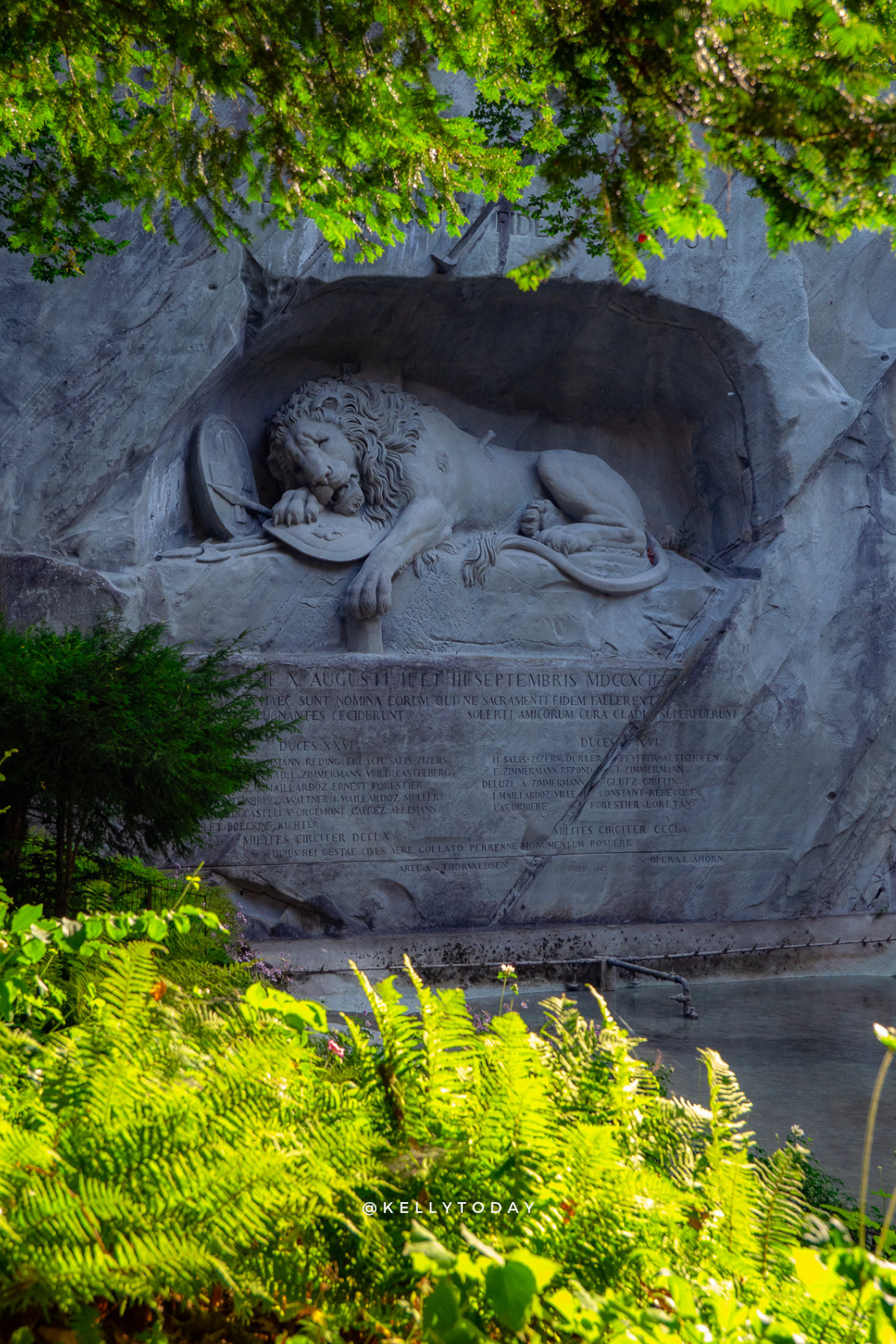
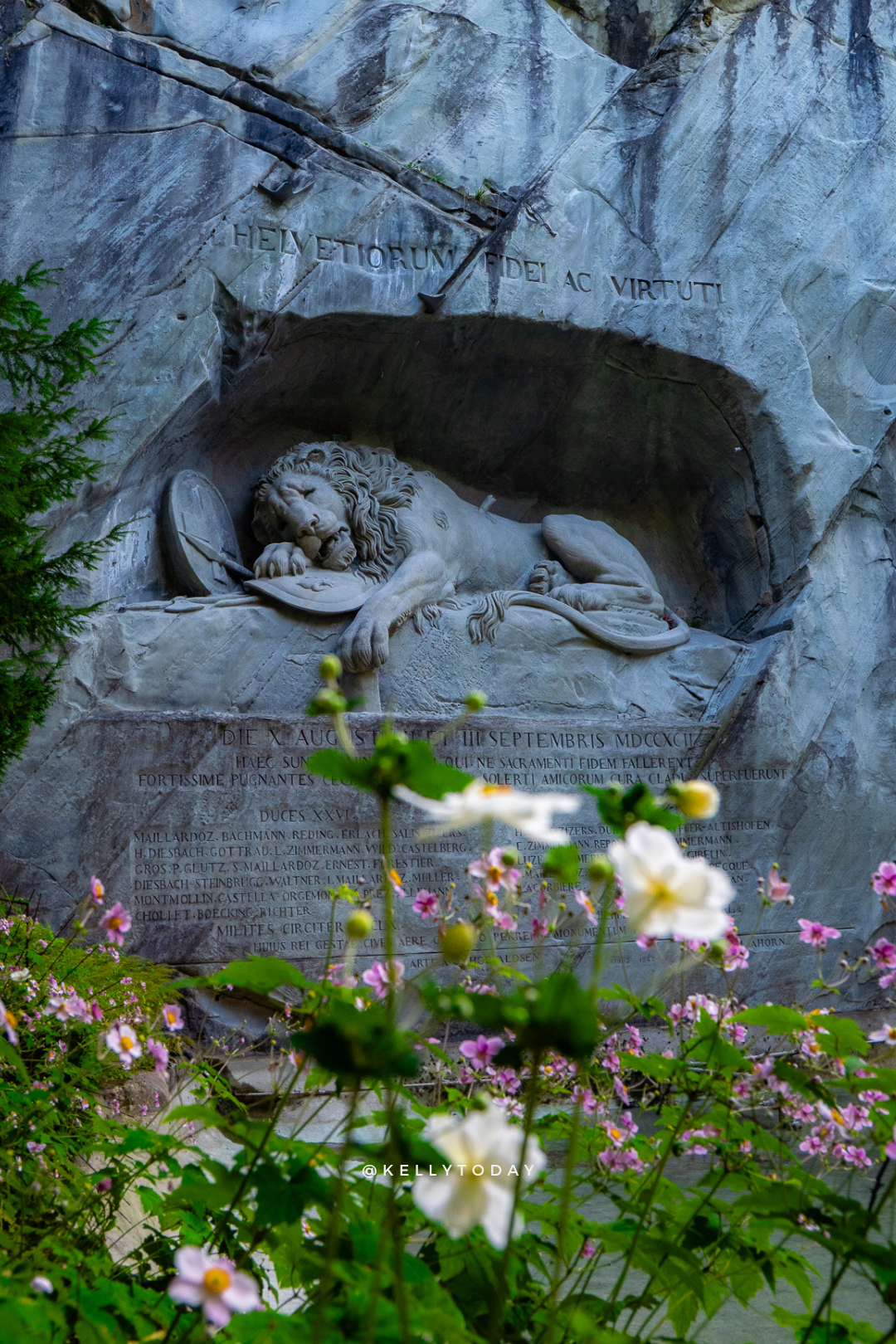
The Lion Monument is one of Lucerne’s most recognisable landmarks and a quick but worthwhile stop while exploring the city. Carved into a rock face, the monument depicts a dying lion and commemorates the Swiss Guards who died defending the Tuileries Palace in Paris during the French Revolution in 1792.
The monument was completed in 1821 and was designed by Danish sculptor Bertel Thorvaldsen. Mark Twain famously described it as “the saddest and most moving piece of rock in the world.”
Allow around 20–40 minutes to visit. It’s free to see and open year-round, with information boards providing some background on the monument and the soldiers it commemorates.
My tip: Visit early in the morning if you want to see it without the crowds. It’s around a 20-minute walk from Lucerne train station.
Visit the Glacier Garden
After the Lion Monument, you can visit the Glacier Garden, which is found right next to the Monument. The museum explores Lucerne’s geological history, including glacial potholes formed during the Ice Age, an impressive rock landscape and a historic relief map of Switzerland.
There’s also a mirror maze and observation tower with views across Lucerne towards the Alps. Allow around 1–2 hours if you want to explore everything.
Good to know: The Lucerne Guest Card offers a discount on admission, so check your benefits if you’re staying overnight in the city.
Spend Time by Lake Lucerne
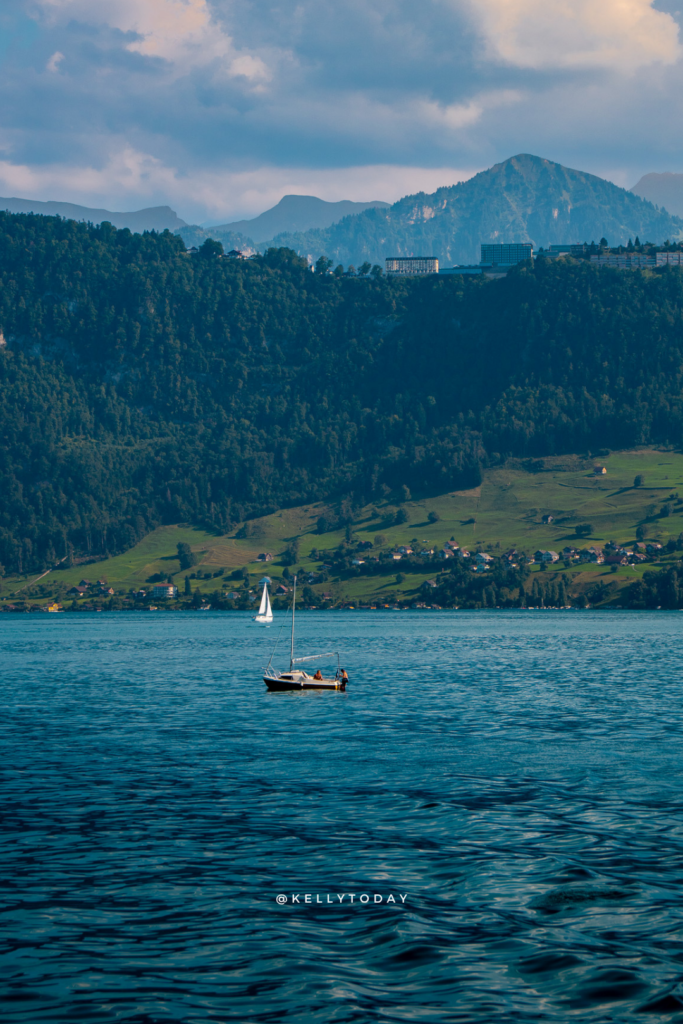
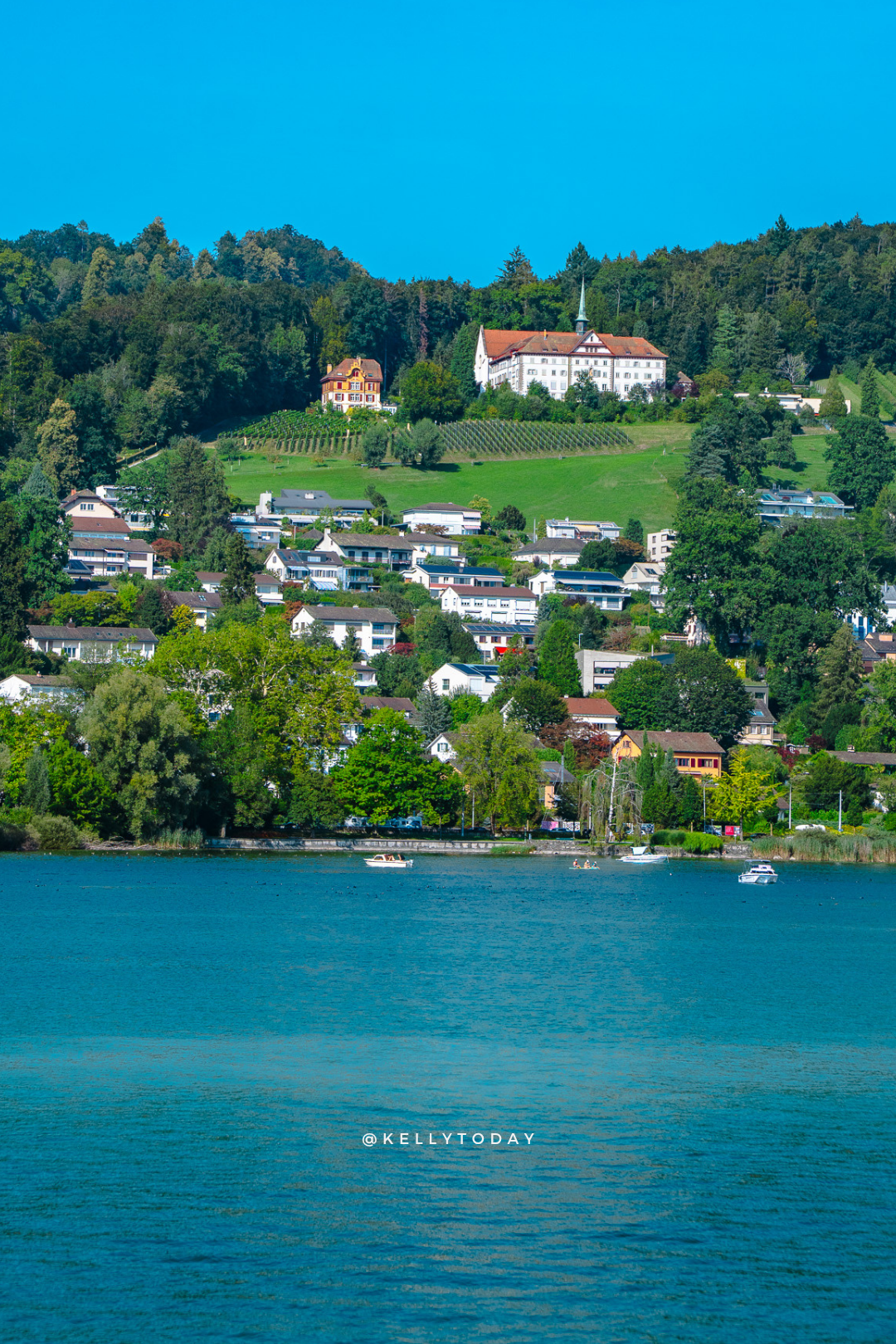
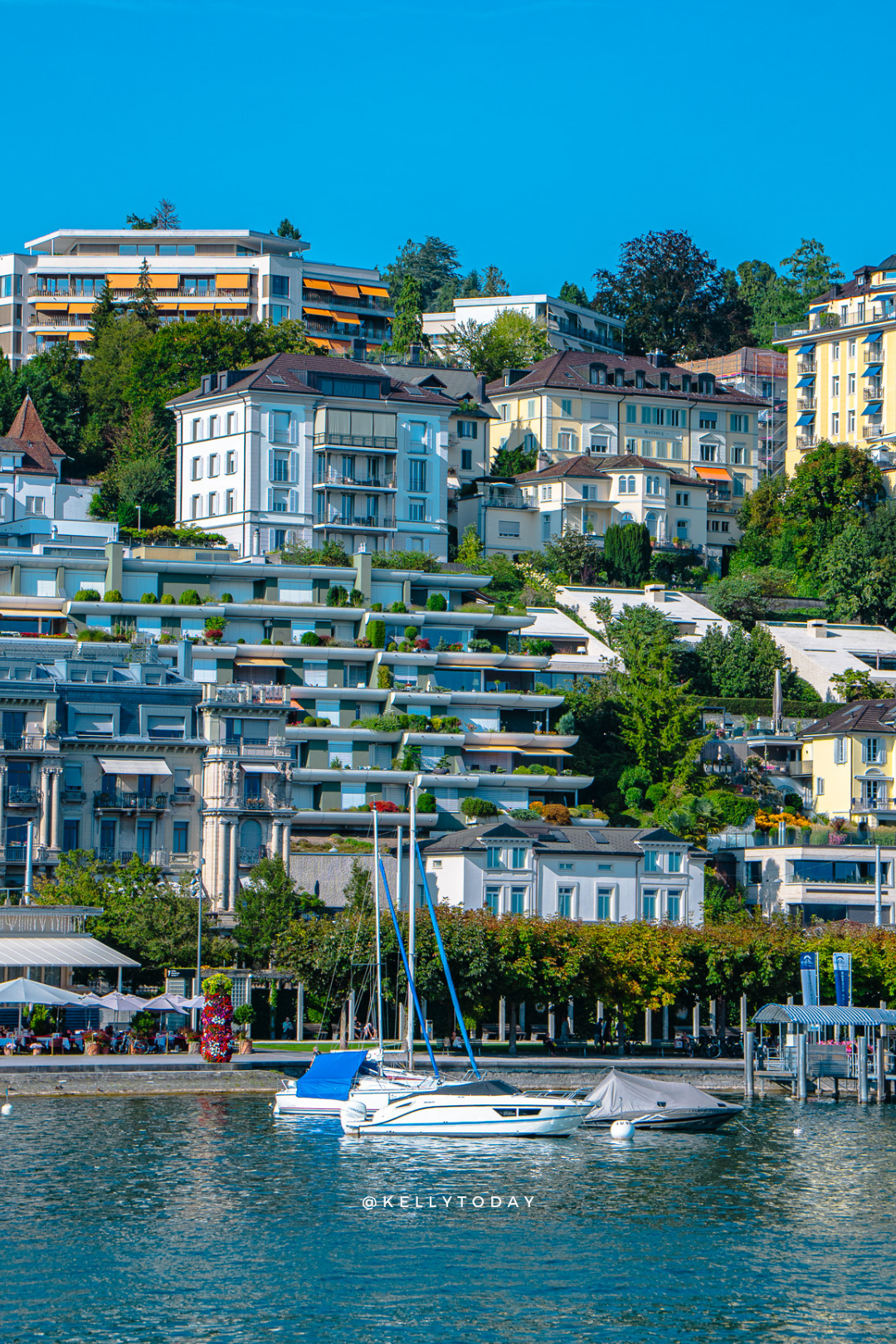
Lake Lucerne is one of the biggest reasons to visit the city. With the mountains rising around the water and the scenery changing around every bend, it’s the kind of place that deserves more than a quick photo stop.
Start by walking along the waterfront and enjoying the views across the lake. You can find a bench, watch the boats come and go, or simply sit by the water with a coffee and take in the scenery.
If the weather is good, I’d recommend leaving some unplanned time in your Lucerne itinerary for this. You don’t need to fill every hour with sightseeing — sometimes one of the best things to do in Lucerne is simply slow down and enjoy being by the lake.
Tips for Visiting Lake Lucerne
- Allow some downtime: You don’t need a specific activity planned for every visit to the lake. Leave some time to walk, sit and enjoy the views.
- Check the weather: Clear days will give you much better views of the surrounding mountains, so it’s worth keeping your plans flexible if you can.
- Go for a morning or evening walk: The waterfront is particularly peaceful before the main sightseeing crowds arrive or later in the evening.
- Consider a boat trip: If you’re visiting in the warmer months, a Catamaran cruise is one of the easiest ways to experience more of the lake.
- Plan around your itinerary: If you’re visiting Mount Rigi or Mount Pilatus, look at boat, train and cable car schedules together so you can combine several experiences in one day.
If you’re only in Lucerne for 48 hours: Don’t feel like you need to dedicate an entire day to the lake. A waterfront walk, followed by a boat cruise or mountain excursion, is an easy way to experience Lake Lucerne while still leaving plenty of time to explore the Old Town.
🇨🇭 Download Your Switzerland Travel Itinerary 🇨🇭
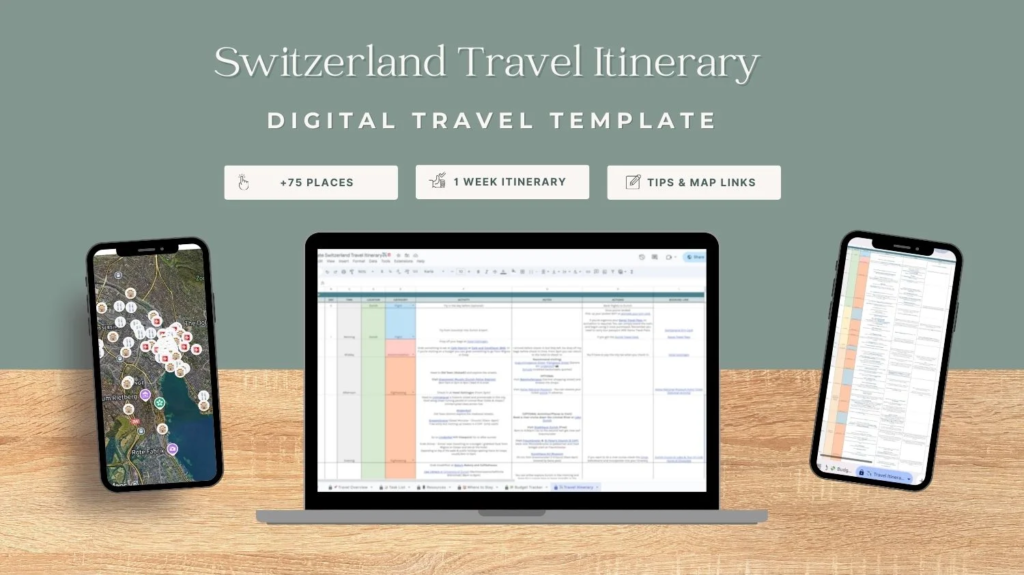
Plan the ultimate Swiss adventure with this one-week Switzerland Itinerary Google Sheet. Save hours of research with day-by-day routes, +75 clickable map links, transport tips, accommodation suggestions, and a handy budget tracker.
Take a Boat Trip on Lake Lucerne
For a different perspective of the city, take a boat trip across Lake Lucerne. Boat services connect Lucerne with several destinations around the lake, so you can easily combine sightseeing with getting from A to B.
I booked a midday catamaran cruise with Lake Lucerne Navigation, and it ended up being one of the highlights of my visit. Along the way, you’ll get beautiful views of the surrounding mountains, including Mt. Rigi and Bürgenstock, as well as some of Lucerne’s most scenic waterfront views.
I’d recommend booking your boat trip in advance so you can spend less time waiting in line and more time enjoying the lake. For the best views, head to the top deck of the catamaran, grab a seat outside if the weather is good, and bring your camera. Watching the landscape change as you cruise through the different bays of Lake Lucerne is an experience in itself.
Tip: If you’re planning to visit one of the mountains around Lake Lucerne, check the boat timetable first. You may be able to combine a cruise with a mountain excursion rather than booking them as separate activities.
💸 Get the most for your money in Lucerne! 💸
- Book ahead for a 1-hour Discovery Cruise across Lake Lucerne
- Combine Mt. Pilatus Cable Car, Cogwheel Train & Lake Lucerne Cruise on a day tour
- See it all in one day: explore Mount Pilatus Summit and Lake Lucerne Cruise
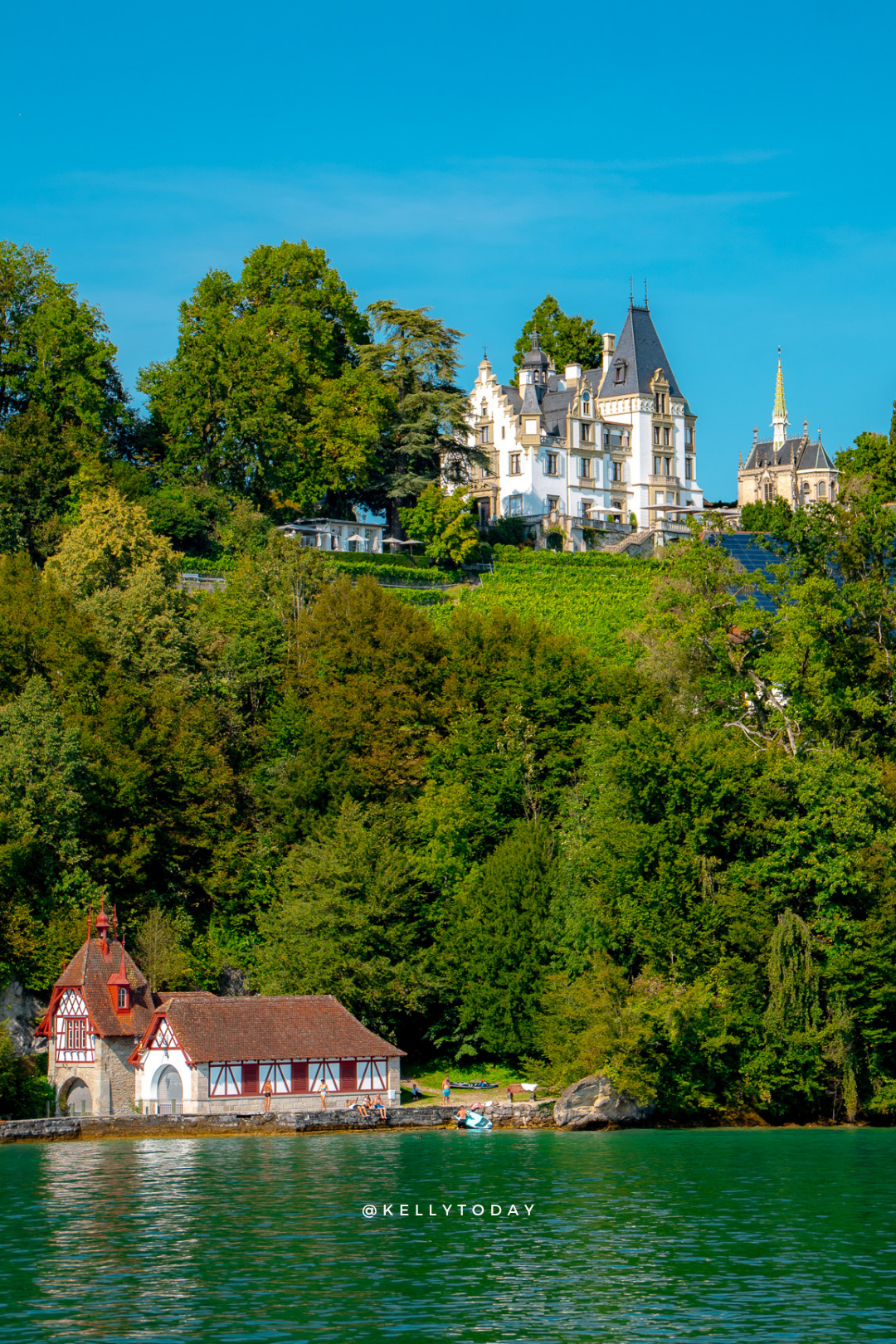
Visit Mount Pilatus
If you have time for a mountain day trip, Mount Pilatus is one of the most popular choices from Lucerne.
Located just outside the city, the dramatic mountain massif rises above Lake Lucerne and offers incredible views across the lake and surrounding Alps. Unlike some mountain excursions where the journey is simply a way to get to the top, Pilatus is an experience from start to finish.
My tip: If you’re deciding between Pilatus and another mountain excursion from Lucerne, consider what kind of experience you want. Pilatus is particularly memorable if you enjoy scenic transport, dramatic mountain scenery and making the journey part of the day.
How to get to Pilatus
One of the best ways to visit Pilatus is the Golden Round Trip, which combines several different forms of transport into one scenic loop. The journey includes a boat ride, the world’s steepest cogwheel railway, cable cars and a bus, so getting there is almost as memorable as the views from the top.
From Lucerne, you’ll travel by boat across Lake Lucerne to Alpnachstad, where you can board the cogwheel railway up to Pilatus Kulm. After exploring the summit, descend by cable car and gondola towards Kriens, before taking the bus back to Lucerne.
If you’d rather not work out the different connections yourself, booking a Golden Round Trip or organised excursion can make the day much easier.
What to do at Mount Pilatus
Once you reach Pilatus Kulm, don’t rush straight back down. Head to the panorama terrace and viewpoints for sweeping views across Lake Lucerne and the surrounding mountains.
There are also several short walking trails if you want to stretch your legs, including the Dragon Trail, which takes you around the rocky summit scenery.
If you’re travelling with kids or want something more adventurous, Fräkmüntegg is home to an adventure park with a high ropes course, treetop walkway and summer toboggan run.
There are also restaurants at the mountain stations, so you can easily turn the excursion into a leisurely day rather than just a quick trip to the summit.
Tips for Visiting Mount Pilatus
- Allow most of a day: Between the transport connections, time at the summit and possible stops along the way, Pilatus is better treated as a half-day or full-day excursion.
- Check the weather first: The views are a major reason to visit, so check the forecast before heading up. Cloudy conditions can significantly reduce visibility.
- Book ahead in busy periods: Pilatus is one of the most popular excursions from Lucerne, particularly during summer. If you have a specific day in mind, it’s worth reserving your tickets or tour in advance.
- Choose your route carefully: The Golden Round Trip is a great option if you want to experience the lake, cogwheel railway and cable cars in one day. If you’re short on time, you can also use a simpler route via Kriens.
- Wear comfortable shoes: Even if you’re not planning a serious hike, there are viewpoints and short walking paths around the summit.
- Bring an extra layer: Temperatures can be noticeably cooler at the summit than in Lucerne, even on a warm summer day.
Take a Trip to Mount Rigi
Another popular mountain excursion from Lucerne is Mount Rigi, often nicknamed the “Queen of the Mountains”.
Rising to around 1,800 metres, Rigi is known for its sweeping views across Lake Lucerne and the surrounding Alps. It’s also one of the easier mountain excursions to do from Lucerne, with several different routes up by boat, cogwheel railway and cable car.
One of the nicest ways to experience Rigi is to make the journey part of the adventure. You can take a boat from Lucerne across Lake Lucerne to Vitznau, then continue up the mountain on the historic cogwheel railway. Alternatively, you can travel via Weggis and take the cable car towards Rigi Kaltbad.
What to do on Mount Rigi
You don’t need to be an experienced hiker to enjoy Rigi. There are a number of walking trails around the mountain, including relatively easy routes with panoramic views.
Rigi Kulm is the highest point and the place to head for some of the best views. On a clear day, you can see across Lake Lucerne, Lake Zug and the surrounding mountain ranges.
If you’d rather have a slower day, Rigi Kaltbad is another popular stop. You can combine your visit with a relaxing session at the Rigi Kaltbad Mineral Baths, where you can enjoy the mountain scenery from the thermal pools.
Tips for Visiting Mount Rigi
- Check the weather first: The views are the main attraction, so I’d avoid rushing up on a cloudy day if you have flexibility in your itinerary.
- Allow most of a day: Between the boat, mountain railway and time at the top, Rigi works best as a half-day or full-day excursion rather than a quick stop.
- Make the journey part of the experience: The boat from Lucerne to Vitznau followed by the cogwheel railway is one of the most scenic ways to reach the mountain.
- Wear comfortable shoes: Even if you aren’t planning a long hike, you’ll likely want to explore some of the trails and viewpoints once you reach the mountain.
- Check transport connections: The different routes up Rigi operate from various towns, so check the day’s boat, train and cable car schedules before setting off.
- Consider a combination ticket or tour: If you’d rather not work out all the connections yourself, a pre-arranged Rigi excursion can make the day much easier to plan.
My tip: If you have a full day available, don’t rush straight to the summit and back. The journey via Lake Lucerne, the mountain railway and the different viewpoints is part of what makes a day on Rigi so enjoyable.
See the Jesuit Church
Address: Jesuit Church, Bahnhofstrasse 11a, 6003 Luzern, Switzerland
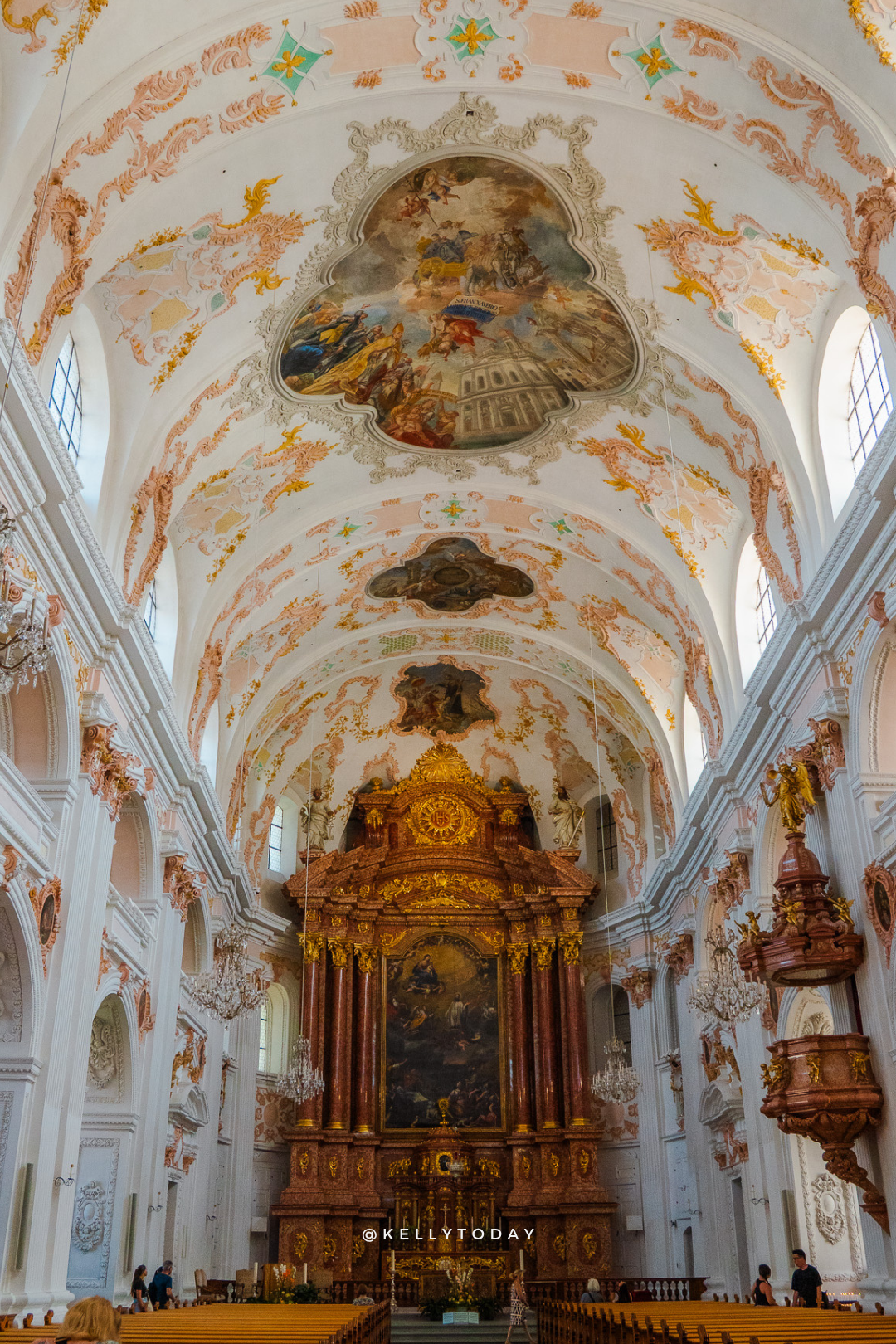
Located right beside the Reuss River, the Jesuit Church (Jesuitenkirche) is one of the most beautiful buildings to stop at while exploring central Lucerne.
Built between 1666 and 1677, it was the first major Baroque church constructed in Switzerland. The Jesuits established themselves in Lucerne during the 17th century, and the church was dedicated to St Francis Xavier, one of the founding members of the Jesuit order.
From the outside, the church’s distinctive pale pink and white facade is easy to spot along the river. But I’d recommend stepping inside; the interior is much more elaborate than you might expect from the relatively simple exterior.
Inside, you’ll find ornate Baroque and Rococo decoration, delicate stucco work and a striking pink-and-white high altar. The bright, almost ethereal interior is a lovely contrast to the darker timber and colourful historic buildings you’ll see elsewhere around Lucerne’s Old Town.
The church is also known for its impressive acoustics and is still used for concerts and organ performances, so it’s worth checking whether anything is happening during your visit.
Tips for visiting the Jesuit Church
- It’s easy to visit for free: The church is right in the centre of Lucerne, so you can easily pop inside while exploring the Old Town.
- Allow 10–15 minutes: You don’t need long to see the interior, making this an easy addition to a walking itinerary.
- Don’t just photograph the exterior: The ornate interior is the real highlight, so take a few minutes to look up at the decorative ceiling and stucco details.
- Combine it with a riverside walk: The church sits directly beside the Reuss, close to Chapel Bridge and several of Lucerne’s Old Town squares.
- Check for concerts: The church’s excellent acoustics mean it occasionally hosts musical performances, which can be a memorable way to experience the building.
My tip: If you’re already walking between Chapel Bridge and Lucerne’s Old Town, don’t skip the Jesuit Church. It only takes a few minutes to visit but is one of those small stops that adds a lot of character to a walk around the city.
Wander along the Reuss River
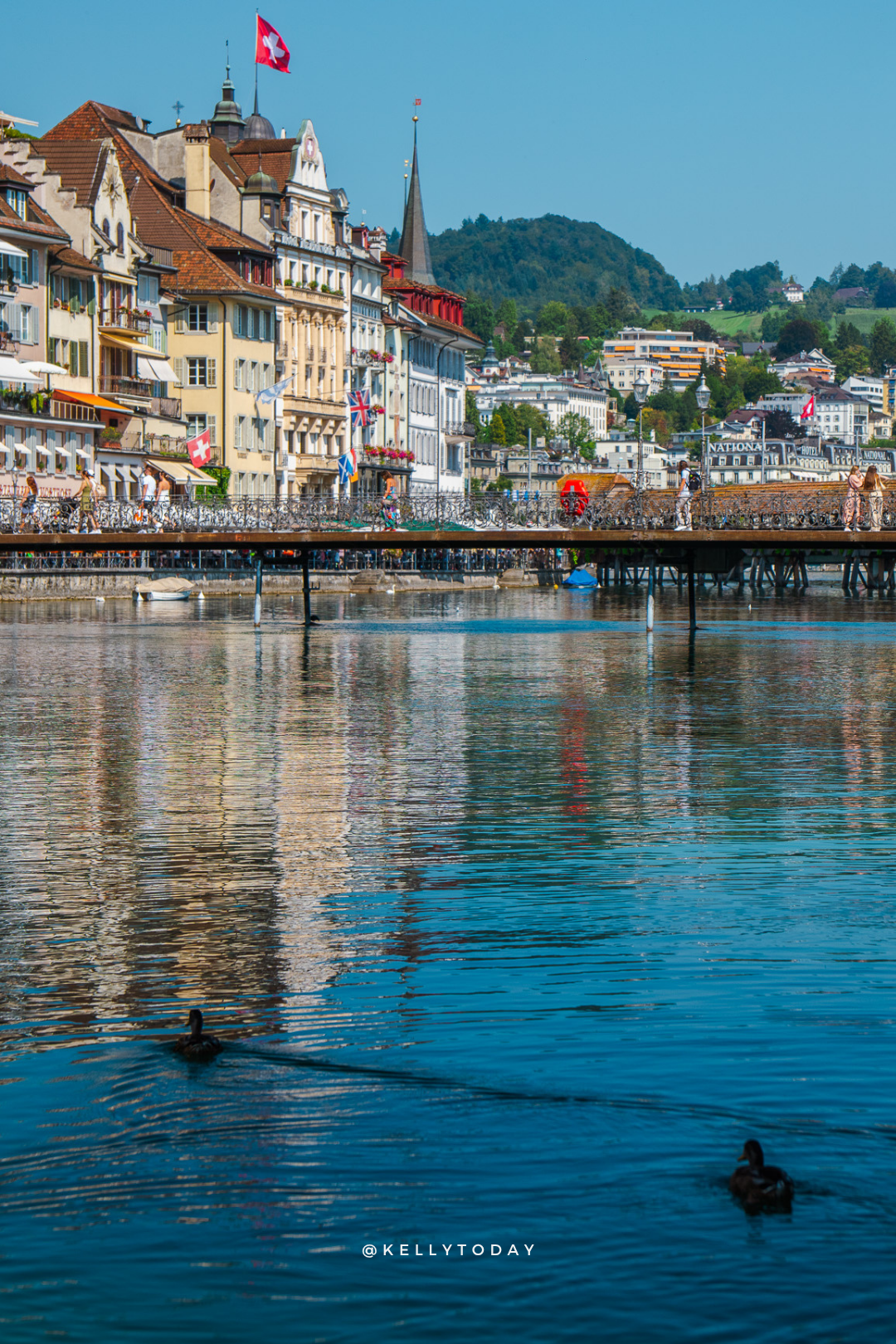
Don’t underestimate the simple pleasure of walking along the Reuss River. Running through the heart of Lucerne, the river separates the Old Town from the newer part of the city and offers lovely views of the historic buildings, bridges and surrounding mountains.
You can easily combine a riverside walk with some of Lucerne’s main sights, including Chapel Bridge and the Jesuit Church. Take your time crossing the bridges, stop to watch the water or find a spot along the waterfront to enjoy the atmosphere.
The riverfront is particularly beautiful around sunset, when the buildings begin to glow and the city starts to feel a little quieter. It’s also a great reminder that you don’t need to spend money to enjoy Lucerne.
Tips for walking along the Reuss
- Go around sunset: The evening light makes the waterfront especially atmospheric and is great for photos.
- Don’t rush: You can walk the river fairly quickly, but it’s more enjoyable when you leave time to stop at the bridges and viewpoints.
- Bring your camera: The combination of the river, Old Town, Chapel Bridge and mountains makes this one of the easiest places to capture classic Lucerne views.
- Combine it with the Old Town: Rather than making this a separate activity, follow the river while exploring the nearby historic streets, squares and landmarks.
If you’re short on time: Walk from Lucerne’s main train station towards Chapel Bridge along the Reuss, then cross into the Old Town. It’s an easy route that lets you experience the river while taking in several of the city’s main sights.
Budget Tips for Visiting Lucerne
Switzerland isn’t known for being a budget destination, but there are ways to make your trip more affordable.
Planning a longer Switzerland trip? I also have a Switzerland itinerary and travel planning resources to help you map out your trip without spending hours figuring out the logistics.
💰 Save Money in Lucerne With These Budget Tips 💰
🏨 Stay outside the immediate city centre. Accommodation prices can drop noticeably once you move slightly further from the Old Town.
🍴 Use supermarkets like Coop and Migros. Buying breakfast, snacks and some meals from Swiss supermarkets can save a surprising amount compared with eating out for every meal.
🚶🏻♀️Walk whenever possible. Many of Lucerne’s main attractions are close together, so you can explore much of the city without paying for additional transport.
🚋 Compare transport passes. If you’re planning multiple train, boat or mountain journeys, calculate whether a Swiss Travel Pass or regional pass actually saves you money.
🌳 Take advantage of free attractions. Walking through the Old Town, visiting Chapel Bridge, seeing the Lion Monument and enjoying the lakefront are all free.
🗓️ Plan your expensive experiences carefully. Mountain excursions can add up quickly. Rather than trying to visit every mountain, choose one or two experiences that genuinely appeal to you.
Frequently Asked Questions about Visiting Lucerne
Is Lucerne, Switzerland worth visiting?
Lucerne is one of the most scenic cities in Switzerland, combining a beautiful historic centre with Lake Lucerne and easy access to the Alps.
It’s also a particularly convenient destination if you’re visiting Switzerland for the first time because you can experience a little bit of everything: historic architecture, lakes, mountains, scenic train journeys and traditional Swiss landscapes.
What I like most about Lucerne, though, is that you don’t need a packed itinerary to enjoy it. Some of the best experiences are simply wandering around the Old Town, walking along the river or sitting beside the lake.
How long should I spend in Lucerne?
I’d recommend at least two full days in Lucerne if your itinerary allows.
Two days gives you enough time to explore the Old Town, see Chapel Bridge and the Lion Monument, spend time by Lake Lucerne and take a mountain or lake excursion. If you only have one day, you can still see the highlights, but you’ll need to prioritise. If you have three or more days, use Lucerne as a base for exploring more of central Switzerland.
What is Lucerne famous for?
Lucerne is best known for its picturesque Old Town, Chapel Bridge, Lake Lucerne and surrounding mountains. The city is also famous for its proximity to Mount Pilatus and Mount Rigi, making it a popular base for exploring central Switzerland.
Can you visit Lucerne without a car?
Yes. In fact, you probably don’t need one. Lucerne’s city centre is very walkable, while Switzerland’s extensive public transport network makes it easy to travel to nearby towns, lakes and mountains.
For a Switzerland trip, travelling by train can also be much more relaxing than driving.
Final Thoughts: Is Lucerne Worth Adding to Your Switzerland Itinerary?
If you’re planning a trip to Switzerland, I’d definitely recommend adding Lucerne to your itinerary.
It’s beautiful without feeling like there is an endless list of attractions you need to tick off. You can spend a morning exploring the Old Town, an afternoon beside the lake and another day surrounded by mountains.
For me, that’s part of Lucerne’s appeal. It gives you the opportunity to slow down and enjoy Switzerland rather than constantly rushing from one destination to the next.
Whether you’re looking for scenic walks, historic landmarks, mountain adventures or simply somewhere beautiful to wander, there are plenty of things to do in Lucerne to fill a few days.
And if you have the time, don’t just visit Lucerne for the city itself. Leave some room in your itinerary for the lake, the mountains and the scenic journeys connecting them all.
Planning a longer Switzerland trip? I also have a Switzerland itinerary and travel planning resources to help you map out your trip without spending hours figuring out the logistics.
📝 Other Resources You Might Find Helpful 📝
- Downloadable 7-Day Switzerland Travel Itinerary & Map
- Save time and planning with a Downloadable Notion Travel Template
- 10 Best Things to Do in Zurich You Can’t Miss
- Downloadable Zurich Travel Map Guide
- How to Visit Velaris in Zermatt, Switzerland
- Don’t miss this city in Portugal for your next trip to Europe
Travel Planning Resources
Power Adaptors : I always recommend buying a universal adaptor so you can use it in any country (great for future travels), and it offers extra ports for USB cables to charge your devices.
Accommodation 🛌: I book all my accommodation in Europe through Booking.com. They have a wide selection of accommodations worldwide, with flexible booking options and great deals. If you join their Genius Loyalty program, you can also get discounts on selected stays.
Attractions & Tours 🌟 Klook and GetYourGuide are my preferred platforms for local tours and activities in Korea. They make it easy to compare tours, book experiences, and find the best deals. You can also download their mobile app, where you can easily access your bookings on the go.
Easy Car Rental 🚗 Get hassle-free car rentals on DiscoverCars with a wide selection, competitive prices, and great customer service. Often it’s cheaper than booking direct, and you can compare a large range of suppliers to check if you’re getting the best price.
Stay Connected 📶 wherever you go by easily and affordably purchasing an eSIM for all your travels. Thanks to Airalo, you’ll get instant access to data, and you don’t need to physically swap a plastic SIM card every time you’re travelling to a new country.
Travel Insurance 🛡️ I use World Nomads for overseas travel insurance. Travel with peace of mind knowing you’ll be covered for unexpected events and plan a worry-free journey.
Camera Gear 📸: If you’re curious about the camera gear I’ve used for my photos, find out what’s in my camera bag here.
Found this helpful? 👇🏼
Found this free guide helpful? Support my work so I can produce more free content for you.
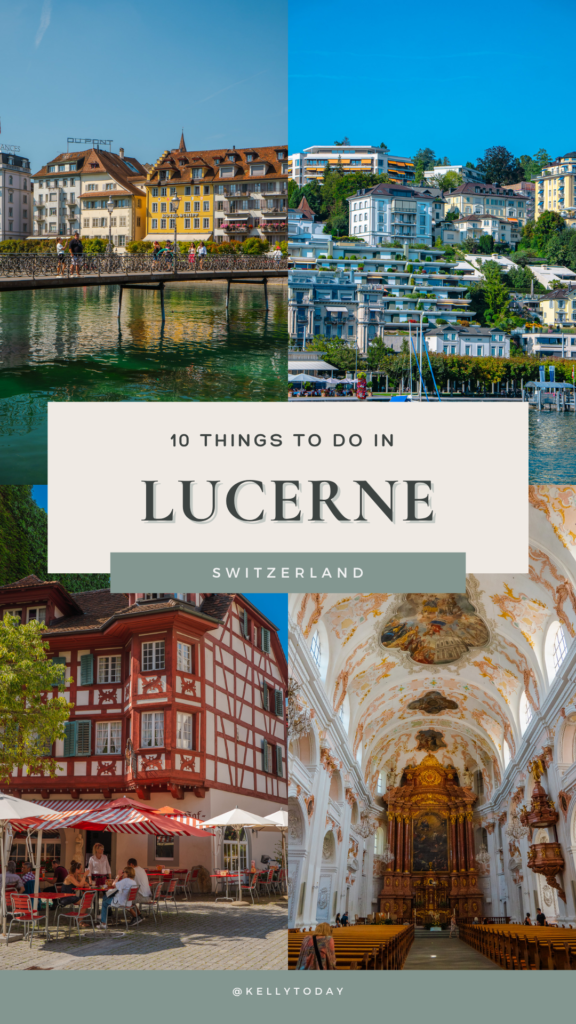
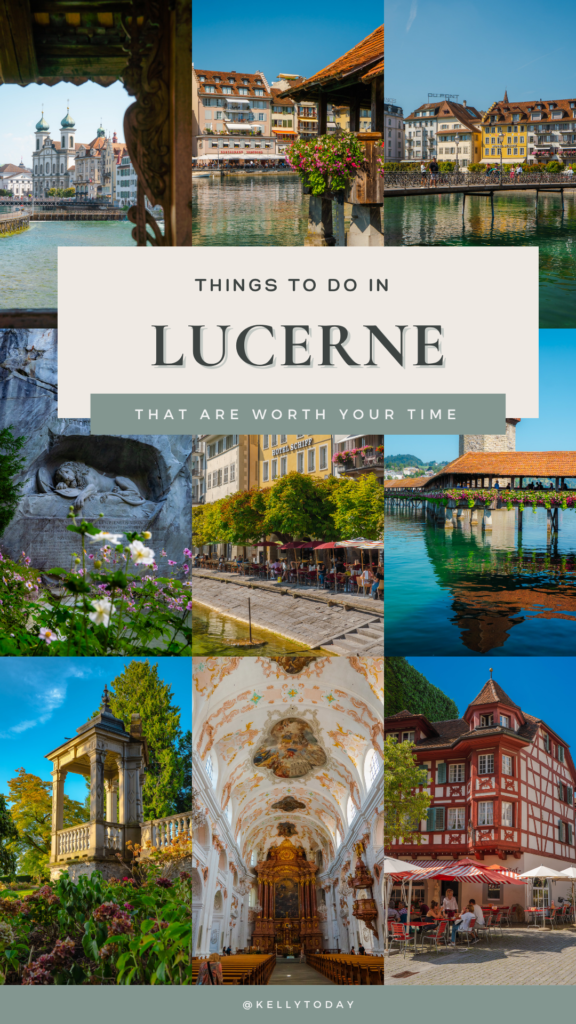
📌 Like this post? Pin ’10 Things to do in Lucerne’


Leave a Reply
You must be logged in to post a comment.